Napster’s Back — and Its New AI-First App Wants You to Help Create the Music, Not Just Listen to It
•January 29, 2026
0
Companies Mentioned


Why It Matters
The launch signals a shift from passive streaming to user‑generated AI music, challenging traditional industry models and prompting new royalty and copyright considerations.
Key Takeaways
- •Napster launches AI-first music creation app.
- •App offers genre‑specific AI collaborators for instant tracks.
- •Limited user control; output feels generic and soulless.
- •Competes with Suno and faces artist backlash.
- •Targets younger creators, reviving Napster brand.
Pulse Analysis
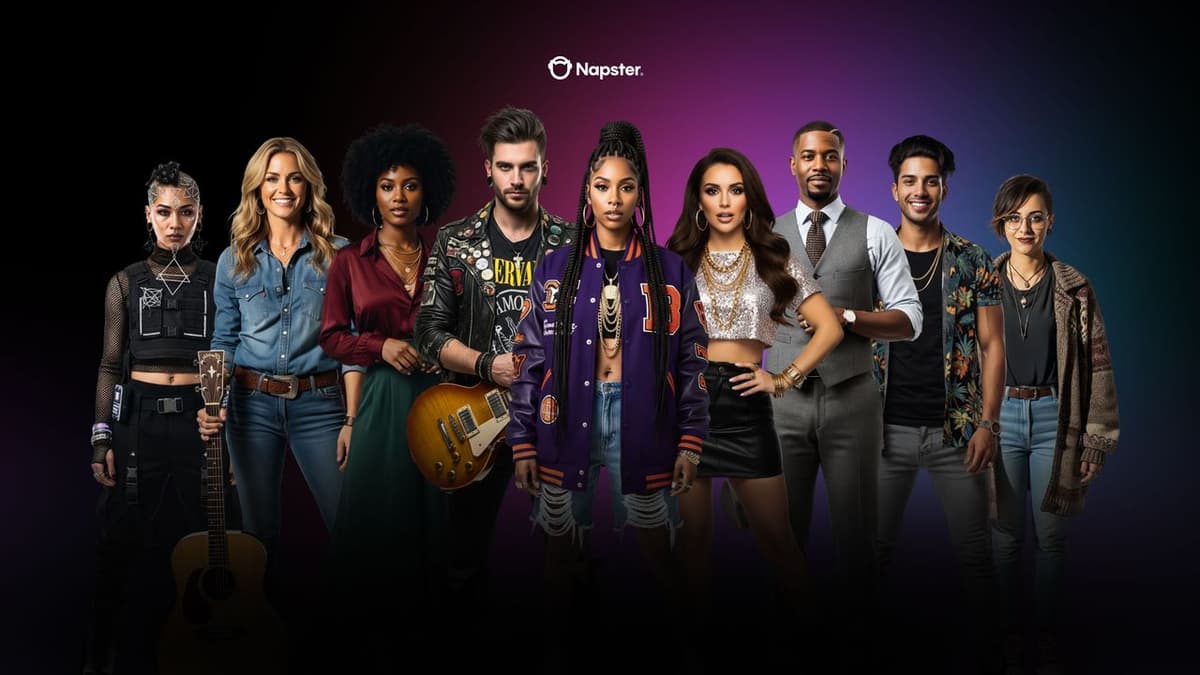
Napster, the iconic file‑sharing service of the early 2000s, has re‑emerged with an AI‑first mobile app that turns listeners into co‑creators. Available on iOS, Android and the web, the platform pairs users with genre‑specific AI mentors—hip‑hop, rock, pop, indie, and more—who generate full tracks from simple text prompts. The experience is framed as a collaborative studio, complete with AI‑driven video companions and optional Napster View hardware for macOS users. By eliminating traditional record‑label gatekeepers, the app promises instant, royalty‑free music that can be shared or remixed instantly.
The launch lands in a crowded AI‑music arena where players such as Suno, Meta’s MusicGen and Google’s MusicLM already offer more granular control and higher fidelity. Early reviews note that Napster’s outputs often feel overly polished, lacking the human imperfections that give music emotional depth. Users can steer genre and mood, but have limited influence over arrangement, instrumentation, or lyrical nuance, resulting in tracks that sound generic and occasionally soulless. This trade‑off mirrors the broader tension between convenience and authenticity that defines today’s generative audio market.
For the music industry, Napster’s pivot underscores a shift from passive streaming toward participatory creation, raising fresh copyright and royalty questions as AI‑generated songs flood platforms. While legacy artists may view the service as a threat to creative ownership, younger creators see a low‑barrier entry point to experiment and build audiences without label backing. If Napster can balance quality improvements with transparent licensing, it could re‑establish the brand as a hub for AI‑enhanced music, potentially reshaping how songs are produced, distributed, and monetized in the next decade.
Napster’s back — and its new AI-first app wants you to help create the music, not just listen to it
0
Comments
Want to join the conversation?
Loading comments...