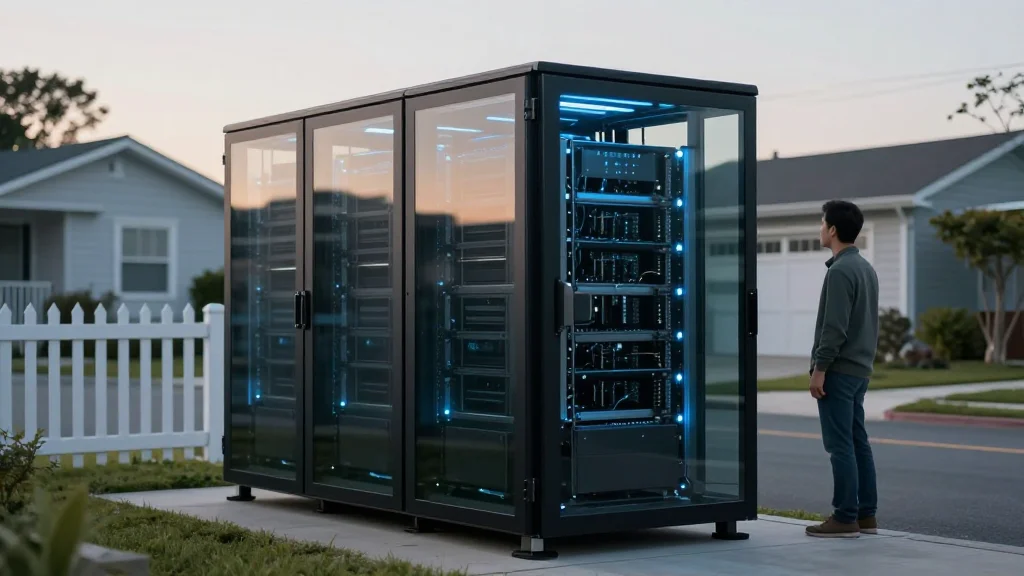
Nearly Half of Americans Oppose AI Data Centers in Their Neighborhoods, While 38% Support Them
Companies Mentioned
Why It Matters
Community opposition could slow the rollout of AI data centers, a critical infrastructure for the growing AI economy, forcing developers to address environmental and social impacts. Understanding demographic and political divides helps policymakers and firms tailor engagement strategies.
Key Takeaways
- •47% oppose AI data centers; 38% support.
- •Gen Z and millennials show highest support, 48-50%.
- •Republicans more supportive (49%) than Democrats (36%).
- •AI data centers face more opposition than apartments or mixed-use projects.
- •Residents cite electricity, water strain, noise, and job concerns.
Pulse Analysis
The Redfin‑Ipsos poll reveals a nuanced portrait of American sentiment toward AI data centers, a fast‑growing segment of the tech‑infrastructure landscape. While nearly half of respondents balk at the idea of a data hub in their backyard, younger generations—particularly Gen Z and millennials—are more receptive, reflecting a broader comfort with digital transformation. Political affiliation also colors opinion, with Republicans showing a modest edge over Democrats, suggesting that local politics may influence permitting outcomes as municipalities grapple with zoning decisions.
For developers, the findings signal a need to deepen community outreach and invest in sustainable design. Compared with typical residential or mixed‑use projects, AI data centers attract heightened scrutiny over their energy and water footprints, as well as perceived noise and visual impact. Companies that proactively address grid strain, incorporate renewable power, and demonstrate tangible job creation can mitigate opposition. Municipalities, meanwhile, must balance the promise of high‑paying tech jobs against the risk of inflating utility costs for existing residents.
The broader AI boom underscores why these local battles matter. As AI workloads double, the United States now hosts over 3,000 data centers, with many more slated for construction. This surge places unprecedented demand on the power grid and water supplies, prompting regulators to revisit environmental standards. Simultaneously, the potential for well‑paid technical positions offers a counterweight to job‑displacement fears tied to automation. Navigating this tension will shape the next wave of AI infrastructure, influencing everything from federal energy policy to regional economic development strategies.
Nearly Half of Americans Oppose AI Data Centers in Their Neighborhoods, While 38% Support Them
Comments
Want to join the conversation?
Loading comments...