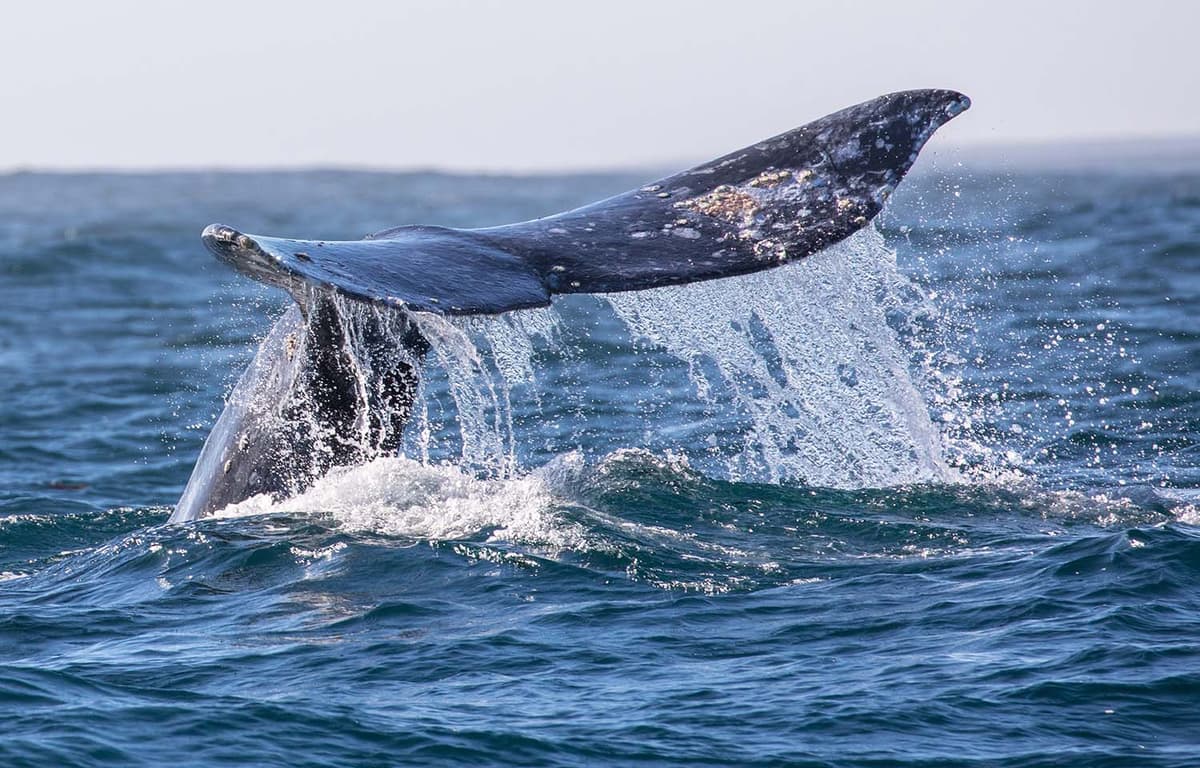
New AI-Powered Thermal Cameras Could Reduce Vessel Strikes on Gray Whales in San Francisco
Why It Matters
By providing 24/7 detection, the technology reduces costly whale fatalities and potential legal liabilities for vessel operators, while supporting conservation of a threatened species in a busy waterway.
Key Takeaways
- •AI thermal cameras detect whale blows up to 4 nm.
- •Alerts routed through Whale Safe platform to Coast Guard vessels.
- •First vessel‑mounted system planned for SF Bay Ferry’s MV Lyra.
- •2023 recorded 21 gray whale deaths; system aims reduction.
- •Real‑time tracking enables proactive navigation adjustments for mariners.
Pulse Analysis
The San Francisco Bay corridor is one of the nation’s busiest maritime arteries, and gray whale migrations have increasingly intersected with commercial and recreational traffic. Vessel strikes are a leading cause of mortality for these marine mammals, with 21 deaths recorded in 2023 alone. Traditional monitoring relies on visual sightings, which are limited by weather and daylight. AI‑powered thermal imaging changes the equation by continuously scanning the water’s surface for the distinctive heat signature of whale blows, extending detection range to four nautical miles and operating around the clock.
The new system is the product of a multi‑agency partnership that blends cutting‑edge computer vision with existing Coast Guard infrastructure. WhaleSpotter’s algorithms analyze infrared feeds in real time, flagging potential detections for verification by certified marine‑mammal specialists. Confirmed alerts are posted on the Whale Safe portal, instantly notifying nearby vessels and the Vessel Traffic Service. The first camera sits on a USCG station on Angel Island, while a second will be mounted on the MV Lyra ferry, marking the first vessel‑based deployment in the Bay. This layered approach ensures that mariners receive actionable intelligence before a collision becomes imminent.
Beyond immediate safety gains, the technology signals a broader shift toward data‑driven marine stewardship. Real‑time whale tracking can inform route planning, speed adjustments, and even dynamic exclusion zones, reducing both ecological impact and the financial risk of fines or lawsuits. Future expansions may include additional bridge and ferry sites, as well as a consumer‑focused mobile app that lets the public follow whale movements live. As AI continues to permeate ocean science, initiatives like this set a precedent for collaborative, tech‑enabled solutions that protect wildlife while sustaining commercial maritime activity.
New AI-powered thermal cameras could reduce vessel strikes on gray whales in San Francisco
Comments
Want to join the conversation?
Loading comments...