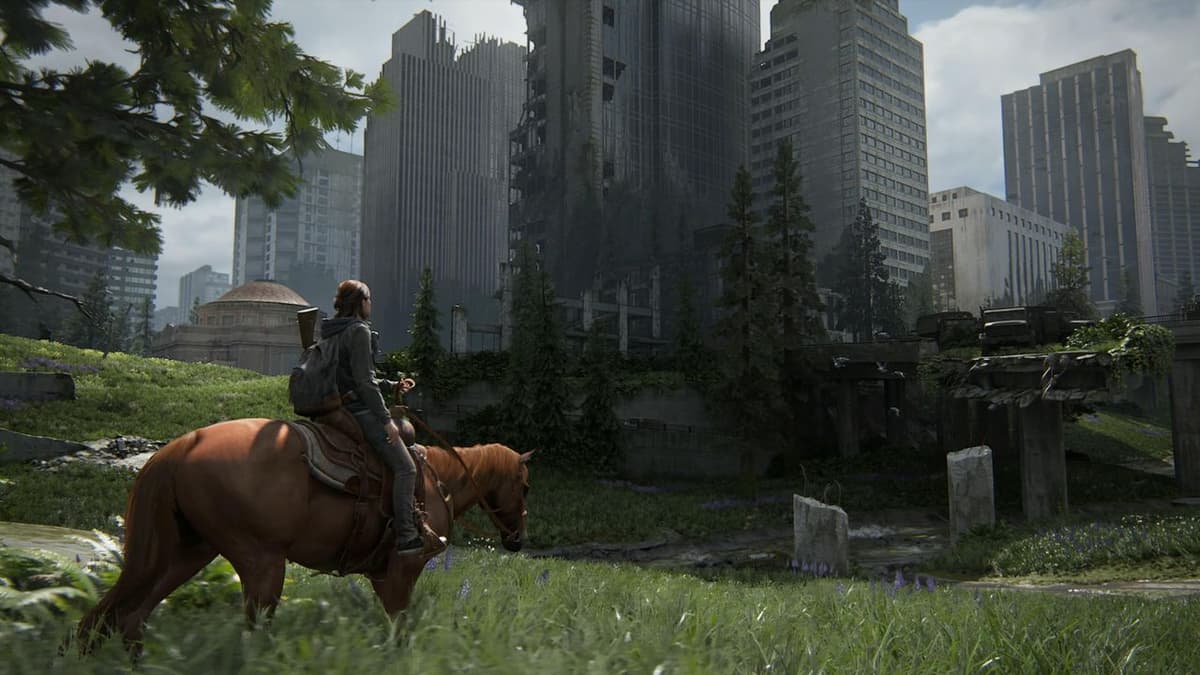
New PlayStation Tech Patent Called Ghost Player Will Take over Players' Games when They Get Stuck
•January 6, 2026
0
Companies Mentioned


Why It Matters
The technology could reduce player frustration and reshape difficulty curves, while raising questions about game integrity and the future role of AI in interactive entertainment.
Key Takeaways
- •Sony patents AI “Ghost Player” for PlayStation
- •AI learns from YouTube, Twitch, PSN data
- •Can auto‑play or guide stuck players in real time
- •Offers limited or full assistance, opt‑out unclear
- •Signals broader AI integration in console gaming
Pulse Analysis
The emergence of AI-powered assistance on consoles marks a shift from peripheral tools to native gameplay features. Sony's Ghost Player concept leverages massive repositories of user‑generated content—YouTube walkthroughs, Twitch streams, and PlayStation Network telemetry—to train models capable of recognizing a player’s exact situation and delivering context‑aware help. By analyzing real‑time game state data, the AI can either overlay a ghost avatar that demonstrates the next move or assume control entirely, offering a spectrum of assistance that adapts to player skill and preference.
From a user‑experience perspective, such technology promises to smooth out the notorious pain points of modern titles, especially those celebrated for their difficulty like Elden Ring or Dark Souls. Players who would otherwise abandon a session might stay engaged longer, potentially boosting retention metrics for both platform holders and developers. However, the prospect of AI taking over challenging encounters also sparks debate about preserving the sense of achievement that defines many gaming communities. Comparisons to Microsoft’s Gaming Copilot illustrate a competitive race to embed AI companions, each balancing convenience with the risk of diluting core gameplay narratives.
Commercially, the integration of Ghost Player could open new revenue streams, from premium AI assistance subscriptions to data‑driven insights for developers seeking to fine‑tune difficulty curves. It also signals a broader industry trend where consoles become AI hubs, processing vast streams of player behavior to deliver personalized experiences. As the technology matures, regulators and publishers will need to address transparency, consent, and the ethical implications of AI‑mediated play, ensuring that innovation enhances rather than undermines the gaming ecosystem.
New PlayStation tech patent called Ghost Player will take over players' games when they get stuck
0
Comments
Want to join the conversation?
Loading comments...