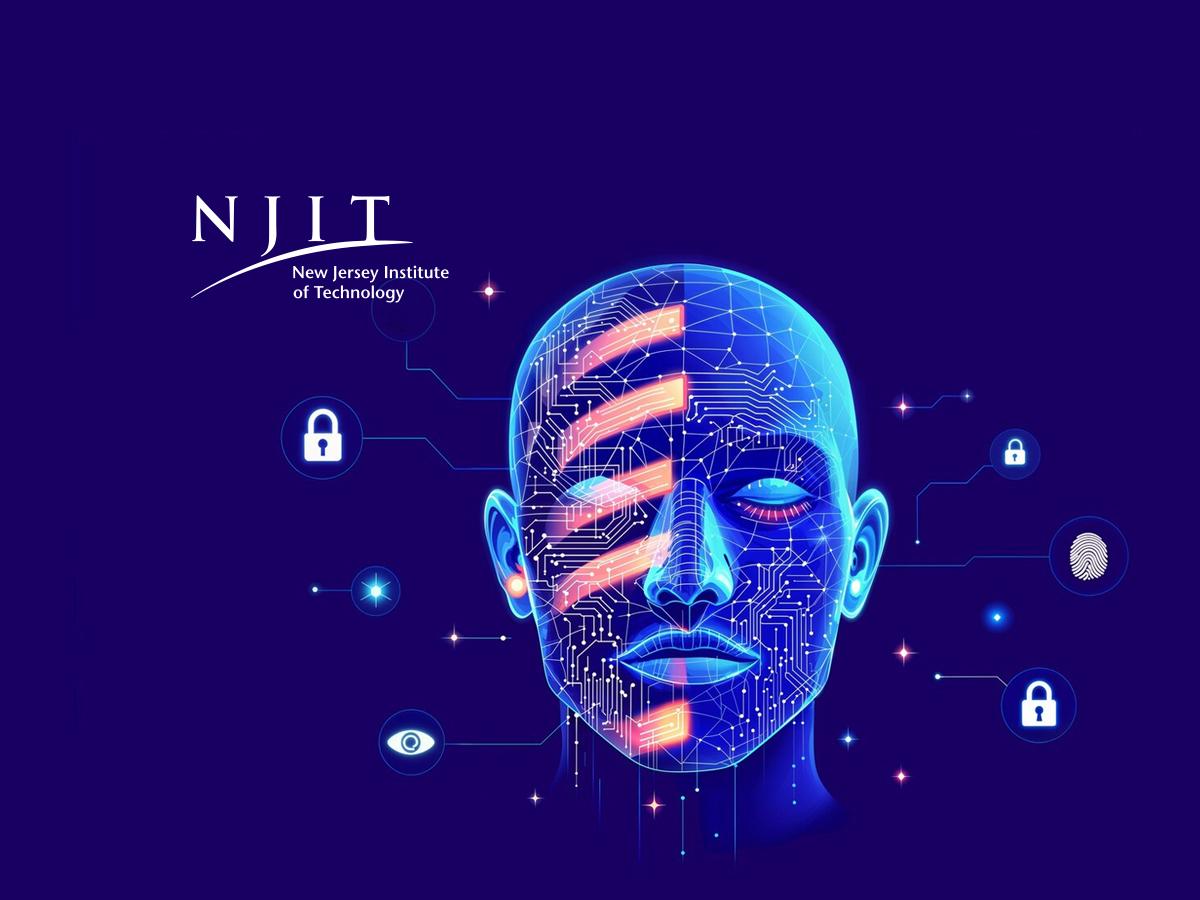
NJIT to Launch Expanded AI and Cybersecurity Workforce Training in Partnership with Verizon
•March 2, 2026
0
Why It Matters
The collaboration directly tackles New Jersey’s growing tech talent gap, giving employers a pipeline of certified AI and cybersecurity professionals. By removing cost barriers, it accelerates workforce upskilling and supports Verizon’s corporate responsibility goals.
Key Takeaways
- •Verizon funds NJIT's free AI and cybersecurity training.
- •Program includes CompTIA A+ prep and AI literacy microcredential.
- •Cybersecurity Community of Practice fosters mentorship and peer learning.
- •Online format provides laptops and internet for qualifying residents.
- •Launch targets New Jersey residents to close digital skills gap.
Pulse Analysis
The partnership between NJIT and Verizon arrives at a moment when state and corporate leaders are racing to close the digital skills gap that threatens economic competitiveness. Leveraging a Verizon grant, NJIT’s Learning and Development Initiative is scaling a no‑cost training model that blends classroom instruction with real‑world project work. By focusing on AI literacy and cybersecurity—two of the fastest‑growing occupational fields—the program aligns educational outcomes with employer demand, positioning New Jersey as a hub for high‑tech talent.
Curriculum designers have built a layered pathway that starts with CompTIA A+ and Tech+ certification prep, ensuring participants master foundational networking and troubleshooting skills. The AI Literacy microcredential adds ethical and practical AI concepts, preparing learners for emerging roles in data analysis, automation, and intelligent systems. Central to the offering is the Cybersecurity Community of Practice, a collaborative ecosystem where students, graduate mentors, and industry experts co‑create solutions, share case studies, and build professional networks from day one. Flexible online delivery, coupled with provided laptops and internet access, removes traditional barriers for underserved residents.
Beyond individual upskilling, the initiative promises broader economic ripple effects. A steady pipeline of certified professionals can reduce hiring costs for local firms, attract new tech enterprises, and stimulate innovation clusters around Newark and the greater New Jersey region. Verizon’s involvement underscores a strategic corporate commitment to workforce development, while NJIT’s reputation as a premier tech talent producer reinforces its role as an economic engine. If successful, the model could be replicated in other states seeking to marry academic resources with industry investment to meet the accelerating demand for AI and cybersecurity expertise.
NJIT to Launch Expanded AI and Cybersecurity Workforce Training in Partnership with Verizon
0
Comments
Want to join the conversation?
Loading comments...