North Korean Agents Using AI to Trick Western Firms Into Hiring Them, Microsoft Says
•March 6, 2026
0
Why It Matters
The scheme illustrates how AI can amplify state‑sponsored cyber‑fraud, exposing companies to financial loss and data‑security risks, and underscores the urgent need for stronger hiring safeguards.
Key Takeaways
- •AI masks accents, faces of North Korean job applicants
- •Fake workers funnel salaries to Pyongyang’s regime
- •Microsoft disrupted 3,000 Outlook/Hotmail accounts linked to scams
- •Threat actors scrape job sites, generate tailored applications
- •Companies urged to verify interviews via video, detect deepfakes
Pulse Analysis
The emergence of AI‑driven identity fabrication marks a new frontier in state‑sponsored cyber‑espionage. North Korean operatives have adopted commercial deep‑fake technologies to erase linguistic and visual cues that would normally betray their origins. By synthesizing culturally appropriate names, generating realistic headshots, and altering voice patterns, they create a veneer of legitimacy that can pass initial screening stages. This evolution mirrors broader trends where authoritarian regimes weaponize generative AI to bypass traditional security controls and monetize illicit activities.
The recruitment scam unfolds in a tightly orchestrated lifecycle. Automated bots scour platforms such as Upwork for high‑paying software roles, then employ AI to tailor résumés, cover letters, and even code snippets that match the job description. During remote interviews, voice‑modulation tools conceal Korean accents, while face‑swap algorithms insert fabricated portraits into stolen IDs. Once contracted, the fake workers use AI‑assisted translation and code generation to meet performance expectations, all while channeling wages through a network of compromised email accounts back to Pyongyang’s treasury. Microsoft’s disruption of 3,000 related Outlook accounts highlights the scale of the operation.
For enterprises, the threat demands a shift from conventional background checks to AI‑aware verification protocols. Video interviews should incorporate deep‑fake detection techniques, such as analyzing pixel inconsistencies and lighting anomalies. Organizations must also monitor hiring pipelines for anomalous patterns, like unusually rapid application turnarounds or mismatched linguistic cues. As generative AI becomes more accessible, the line between legitimate remote talent and malicious actors will blur further, making proactive defense and continuous employee education essential to safeguard both financial assets and proprietary data.
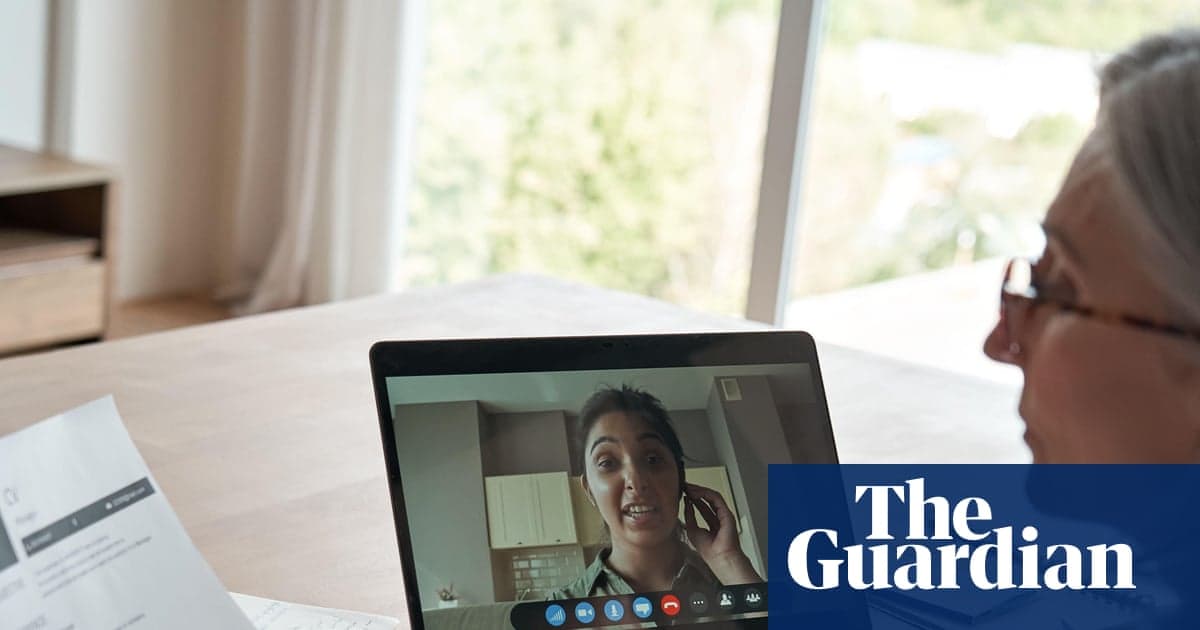
North Korean agents using AI to trick western firms into hiring them, Microsoft says
0
Comments
Want to join the conversation?
Loading comments...