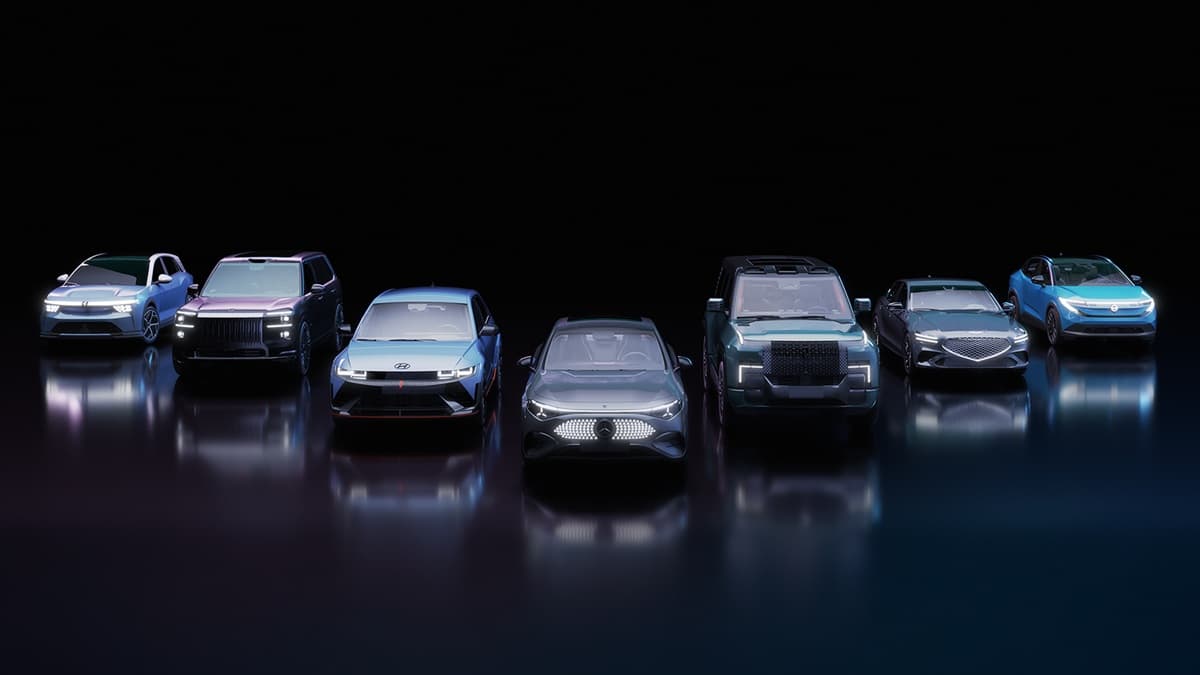
Nvidia Drive Hyperion Expands to More Robotaxi Fleets
Companies Mentioned
Why It Matters
By offering a unified, safety‑certified AI stack, Nvidia accelerates the transition from pilot projects to scalable, revenue‑generating robotaxi networks, reshaping urban mobility and creating new revenue streams for automakers and ride‑hailing firms.
Key Takeaways
- •Nvidia Drive Hyperion offers a level‑4‑ready AI stack for robotaxis
- •Foxconn targets 2028 launch of Taiwan robotaxi service using Hyperion
- •Uber partners with Autobrains to pilot Hyperion‑based robotaxis in Munich
- •VinFast and Autobrains bring Hyperion to Southeast Asian markets
- •Humain expands Hyperion deployment to Saudi Arabia’s autonomous transport
Pulse Analysis
The autonomous mobility sector is reaching an "industrial scaling moment," and Nvidia is positioning its Drive Hyperion platform as the backbone of that shift. Built on the Nvidia Halos safety‑certified OS and powered by the Drive AGX compute family, Hyperion bundles high‑performance processing, a multimodal sensor suite and a full stack of autonomous driving software. This all‑in‑one solution eliminates the need for manufacturers to stitch together disparate components, reducing integration risk and accelerating time‑to‑market for level‑4 robotaxi fleets.
Regional partnerships illustrate how the platform is gaining traction across diverse markets. In Taiwan, Foxconn will leverage Hyperion to roll out a robotaxi service by 2028, starting with airport‑to‑city routes in Kaohsiung and later expanding along high‑speed rail corridors. Southeast Asia sees VinFast teaming with Autobrains to adapt the stack for dense traffic conditions, while Uber’s Munich pilot, also backed by Autobrains, demonstrates the platform’s flexibility for ride‑hailing operators. In the Middle East, Humain is deploying Hyperion to build AI‑native transport infrastructure in Saudi Arabia, underscoring the platform’s global applicability.
For the broader industry, Nvidia’s unified stack could become a de‑facto standard, pressuring competitors to match its safety certifications and compute performance. The ability to plug‑and‑play across vehicle models and regions lowers barriers for automakers and mobility firms, potentially unlocking billions in new autonomous‑mobility revenue. As cities seek sustainable, high‑capacity transport solutions, the Hyperion ecosystem may shape the next decade of urban mobility, driving investment, regulatory focus, and consumer adoption of robotaxi services worldwide.
Nvidia Drive Hyperion expands to more robotaxi fleets
Comments
Want to join the conversation?
Loading comments...