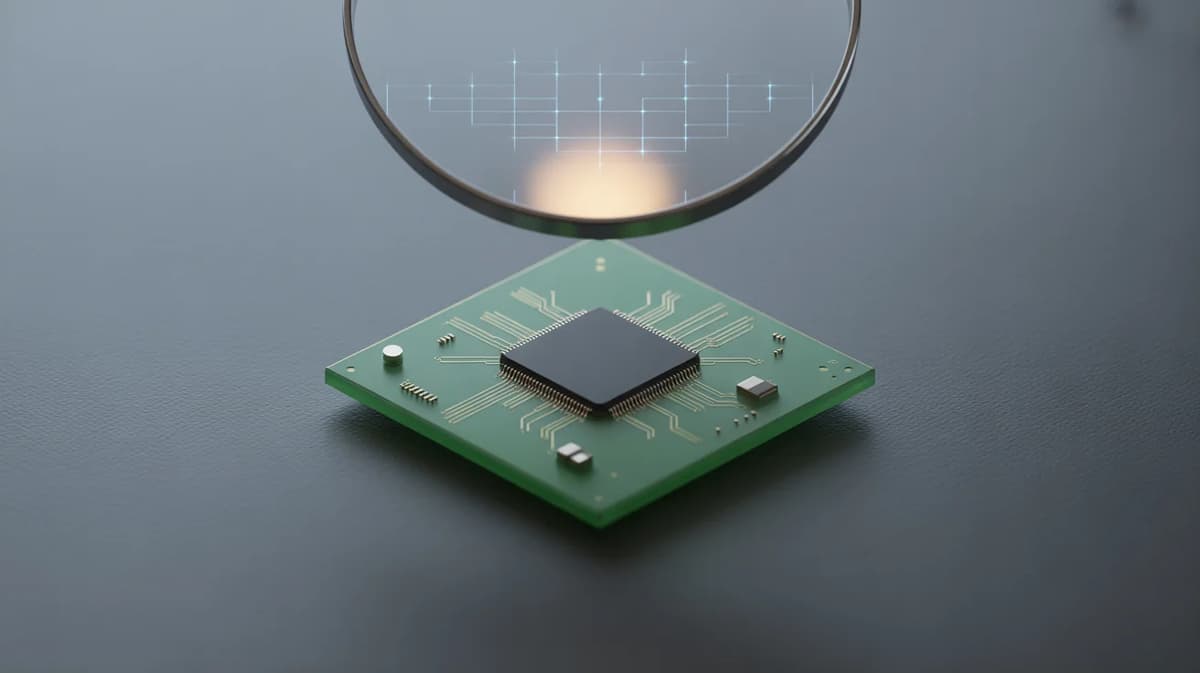
Nvidia Is Reportedly Testing Tracking Software as Chip-Smuggling Rumors Swirl
•December 10, 2025
0

Companies Mentioned


Why It Matters
The technology strengthens export‑control compliance and safeguards Nvidia's intellectual property amid rising geopolitical tensions over AI hardware.
Key Takeaways
- •Nvidia developing optional location‑verification for Blackwell chips
- •Software uses performance latency to infer geographic location
- •Rumors claim Blackwell chips smuggled for Chinese DeepSeek models
- •US permits H200 sales to China, excludes Blackwell line
- •Tracking tech aims to enforce export restrictions and protect IP
Pulse Analysis
Nvidia's decision to pilot location‑verification software reflects a broader industry shift toward tighter supply‑chain visibility for high‑value semiconductor assets. By embedding latency‑based geolocation checks into Blackwell chips, the company can offer customers a tool to confirm that hardware remains within authorized jurisdictions. This capability not only deters illicit redistribution but also provides a data point for regulators monitoring compliance with export‑control regimes, a growing concern as AI accelerators become strategic assets.
The timing of the rollout is significant. Recent reports have suggested that Chinese AI startup DeepSeek may have accessed smuggled Blackwell chips to train its models, prompting speculation about a shadow network of "phantom" data centers. While Nvidia publicly denies any substantiated evidence, the company’s proactive stance signals a willingness to invest in defensive technologies rather than rely solely on diplomatic channels. The optional nature of the software respects customer autonomy, yet its availability could become a de‑facto requirement for partners seeking to avoid sanctions exposure.
From a market perspective, Nvidia's tracking initiative could reshape competitive dynamics in the AI hardware space. Competitors may feel pressure to develop similar provenance solutions, especially as governments tighten export rules for next‑generation chips. Moreover, the move reassures investors that Nvidia is actively managing geopolitical risk, potentially stabilizing its valuation amid volatile chip‑smuggling narratives. As AI workloads scale, ensuring that cutting‑edge processors are traceable will likely become a standard component of enterprise procurement strategies, reinforcing the intersection of technology, policy, and supply‑chain security.
Nvidia is reportedly testing tracking software as chip-smuggling rumors swirl
0
Comments
Want to join the conversation?
Loading comments...