Okta’s President and COO Says Companies Are in Denial About the Hardest Part of the AI Revolution: Redesigning Work Itself
Companies Mentioned
Why It Matters
If companies continue to treat AI as a mere tool, they will miss the productivity upside and risk widening the gap between AI potential and real business outcomes.
Key Takeaways
- •Managers must budget for human and AI labor
- •AI agents are being treated as digital colleagues
- •Activation gap shows AI value isn’t yet realized
- •Self‑service AI access sparks employee role reinvention
- •Redesigning org charts is harder than deploying AI
Pulse Analysis
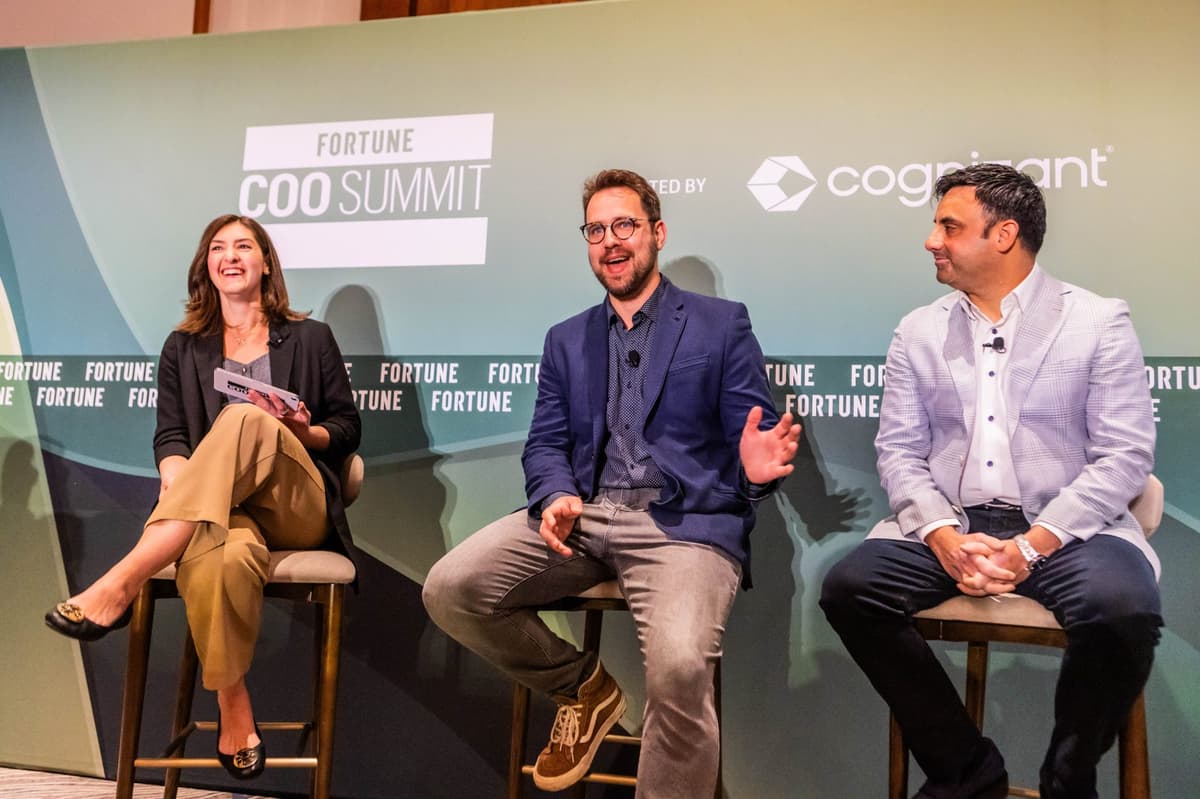
The AI boom has moved beyond pilot projects to a strategic crossroads where enterprises must rethink how work is organized. At a recent COO Summit, Okta’s Eric Kelleher illustrated this shift by naming his own AI agents and demanding that every manager consider them in budget cycles. This hands‑on approach underscores a broader industry realization: AI’s impact hinges on integrating digital workers into the same planning frameworks that govern human staff, not merely adding chatbots to existing processes.
Cognizant’s latest research adds urgency to Kelleher’s call. The firm now estimates that 93% of jobs will be disrupted by AI by 2026—six years ahead of its 2032 forecast—yet productivity gains remain elusive. Analysts label this the "activation gap," a disconnect between AI’s theoretical capabilities and the actual output of mixed human‑machine teams. Studies of 80,000 tasks reveal that humans are still required for the vast majority of work, highlighting the need for a new work‑planning model that allocates token budgets to both people and agents.
Practitioners who have embraced this mindset report tangible benefits. Wayfair’s Jon Blotner described how giving every employee unrestricted access to Claude, Gemini and ChatGPT sparked organic role redesign, turning automation into a value‑adding activity rather than a cost‑cutting measure. As organizations shift from workforce‑centric to work‑centric planning, they must rebuild org charts to reflect continuous, context‑aware AI agents. Companies that master this transition will unlock higher‑value tasks for humans, accelerate AI ROI, and set a new standard for digital‑human collaboration in the enterprise.
Okta’s President and COO says companies are in denial about the hardest part of the AI revolution: redesigning work itself
Comments
Want to join the conversation?
Loading comments...