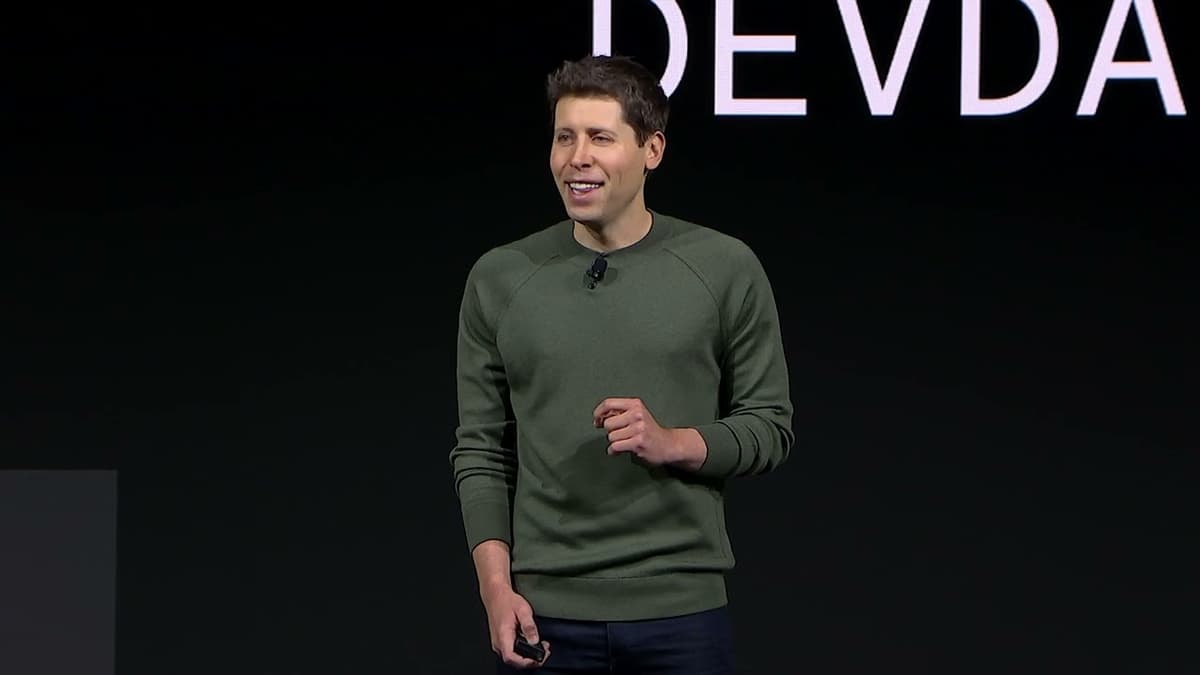
OpenAI CEO Sam Altman Warns "the World Is Not Prepared" As OpenAI Accelerates Research Using Its Own AI
•February 21, 2026
0
Companies Mentioned

Why It Matters
Altman's comments signal an imminent shift in AI capabilities that could disrupt labor markets, competitive dynamics, and regulatory frameworks across the tech industry.
Key Takeaways
- •Altman says AGI is near, superintelligence soon
- •OpenAI uses internal AI to accelerate model development
- •World unprepared for rapid AI capabilities, warns CEO
- •Coding model Codex 5.3 co‑developed by AI itself
- •AI expected to obsolete many software and design jobs
Pulse Analysis
Sam Altman's recent interview marks a pivotal moment for the AI sector, as he openly acknowledges that OpenAI’s internal AI tools are compressing the timeline to artificial general intelligence. By leveraging self‑improving models, the company claims to be iterating faster than publicly observable, a strategy that could give it a decisive edge over rivals still dependent on external research pipelines. This acceleration not only reshapes product roadmaps but also raises questions about transparency, as stakeholders now grapple with capabilities that exist behind closed doors.
The labor implications are equally profound. Altman predicts that traditional software development—hand‑coding in languages like C++—will become largely irrelevant, while AI‑generated graphics drive prices toward zero, squeezing human creators. Such a shift could trigger widespread job displacement in coding, design, and other creative fields, even as new roles emerge around AI oversight and prompt engineering. Economists warn that rapid automation may outpace workforce retraining, amplifying income inequality and prompting a reevaluation of education curricula.
Regulators and policymakers are left scrambling to catch up. Altman's warning that "the world is not prepared" underscores the urgency for robust governance frameworks that address safety, ethics, and competitive fairness. Investors, too, must weigh the upside of early AI breakthroughs against the risk of regulatory backlash and public backlash over unchecked AI deployment. As OpenAI pushes the frontier, the industry faces a balancing act between innovation speed and societal readiness, making strategic foresight essential for all market participants.
OpenAI CEO Sam Altman warns "the world is not prepared" as OpenAI accelerates research using its own AI
0
Comments
Want to join the conversation?
Loading comments...