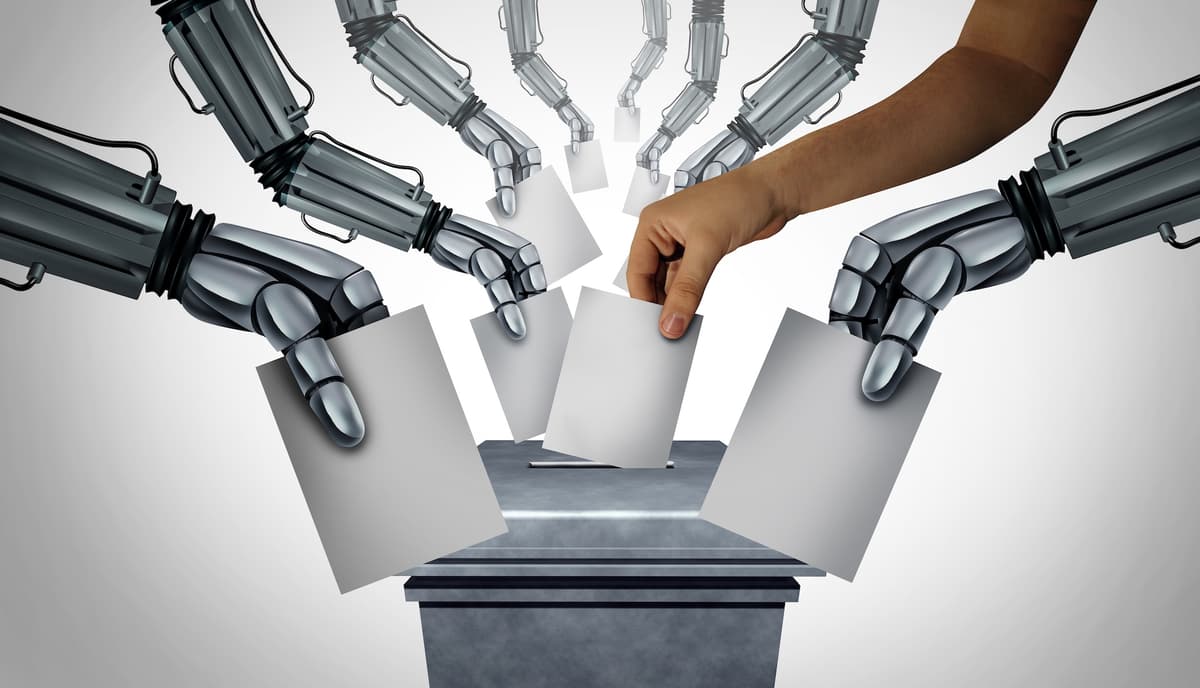
OpenAI Heralds Cybersecurity, Election Interference Safeguard Plans for 2026 Midterms
Companies Mentioned


Why It Matters
AI‑generated misinformation threatens election integrity; OpenAI’s tools could bolster defenses and restore public confidence in democratic processes.
Key Takeaways
- •OpenAI unveils five‑point election safeguard plan for 2026
- •Offers Codex Security and Trusted Access frameworks to election officials
- •Partners with Associated Press to share verified election data
- •Introduces deepfake watermarking via SynthID for ChatGPT images
- •Commits to banning AI tool use for election interference
Pulse Analysis
The rise of generative AI has amplified concerns about election interference, from deep‑fake videos to automated disinformation campaigns. Regulators and civil‑society groups have warned that unchecked AI tools could erode voter trust and destabilize democratic outcomes. In response, major tech firms pledged in 2024 to develop safeguards, yet critics argued those measures were fragmented and insufficient. OpenAI’s latest announcement signals a shift toward a more coordinated, technology‑driven defense, aligning industry capabilities with the growing regulatory focus on AI ethics and election security.
OpenAI’s five‑pronged plan blends existing technologies with new collaborations. The Codex Security and Trusted Access for Cyber frameworks give election officials access to AI‑enhanced threat detection and response tools, while the SynthID watermarking system embeds cryptographic markers in generated images, making deep‑fakes easier to identify. By partnering with the Associated Press, OpenAI will feed verified vote counts and results into its models, reducing the spread of false narratives. Briefings with the National Association of Secretaries of State and the National Association of State Election Directors demonstrate a proactive outreach to the officials who manage the electoral infrastructure.
If adopted widely, these measures could reshape the cybersecurity landscape for elections. Vendors may race to integrate similar AI safeguards, creating a new market segment focused on democratic resilience. However, the effectiveness of watermarking and policy enforcement depends on broad adoption and continuous model auditing to prevent bias. As AI becomes entrenched in political communication, OpenAI’s initiative offers a template for responsible innovation, but it also raises questions about oversight, transparency, and the balance between open AI research and national security imperatives.
OpenAI heralds cybersecurity, election interference safeguard plans for 2026 midterms
Comments
Want to join the conversation?
Loading comments...