OpenAI Releases 'Thinking' Engine For Queries, Images
Companies Mentioned

Why It Matters
By adding real‑time visual reasoning, OpenAI equips advertisers with dynamic, data‑driven creative tools, potentially reshaping digital ad spend and measurement. The move also signals a broader shift toward AI‑powered ad ecosystems ahead of OpenAI’s public market debut.
Key Takeaways
- •ChatGPT Images 2.0 can generate multiple images from a single prompt
- •Model can browse web for real‑time data and verify outputs
- •OpenAI aims to power a sophisticated ad platform with visual AI
- •Workspace agents enable teams to run complex, permission‑controlled workflows
- •Google unveiled Gemini Enterprise Agent Platform alongside its Agentic Data Cloud
Pulse Analysis
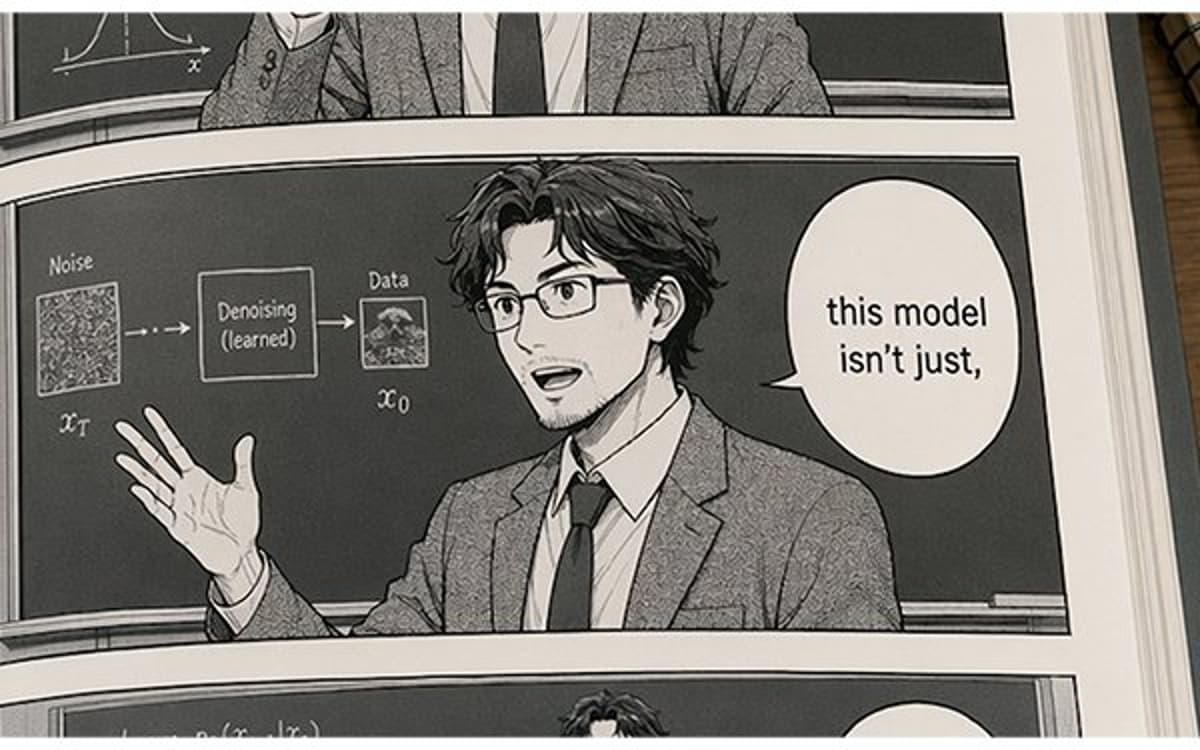
OpenAI’s latest release, ChatGPT Images 2.0, pushes the boundaries of generative AI by integrating a "thinking" layer that can retrieve up‑to‑date information, produce several visual variations from one description, and cross‑check its own results. This capability stems from advanced denoising techniques that treat image creation as an iterative reasoning process, allowing the model to place objects with pixel‑level accuracy and render UI components that meet strict design specifications. The result is a versatile creative engine that can respond to nuanced advertising briefs in real time.
The strategic value of Images 2.0 lies in its potential to undergird a next‑generation advertising platform. By delivering precise, brand‑compliant visuals on demand, OpenAI can offer advertisers a performance‑based pricing model—shifting from traditional CPM to cost‑per‑click structures where brands pay only for measurable engagement. Early tests suggest the platform can blend contextual web data with visual output, enabling dynamic ad creatives that adapt to user behavior. As OpenAI prepares for an IPO, this ad‑tech ambition could diversify revenue streams beyond subscription services.
Competitors are moving in tandem. Google’s Gemini Enterprise Agent Platform and its Agentic Data Cloud were announced at the same event, highlighting a race to build autonomous AI agents that can manage data pipelines and workflow orchestration. Both firms are converging on a vision where AI agents not only generate content but also execute end‑to‑end marketing campaigns. The convergence of visual reasoning, agentic workflows, and ad monetization points to a rapidly evolving ecosystem where AI becomes the primary creative and operational engine for brands worldwide.
OpenAI Releases 'Thinking' Engine For Queries, Images
Comments
Want to join the conversation?
Loading comments...