
Why It Matters
Mobile access to AI‑driven coding shortens development cycles and gives on‑call engineers real‑time control, reshaping enterprise productivity. The feature also escalates the rivalry between OpenAI and Anthropic for dominance in AI‑assisted software development.
Key Takeaways
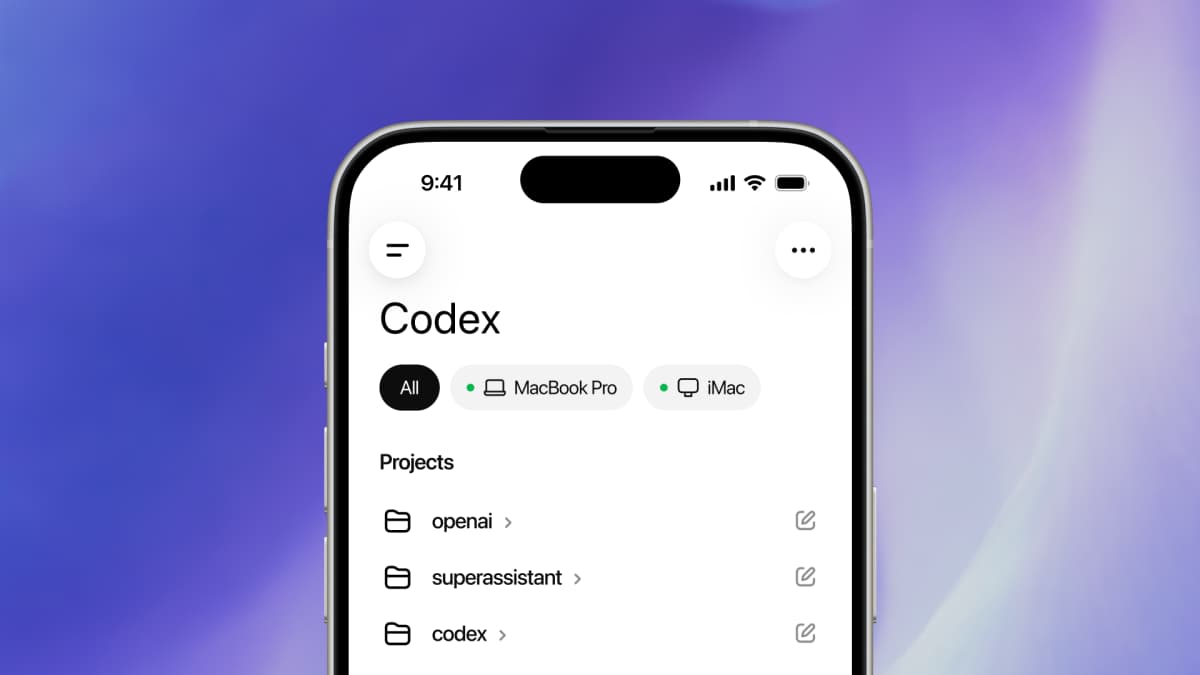
- •Codex now integrated into ChatGPT iOS and Android apps
- •Users can monitor, approve, and launch code tasks from phones
- •Feature rolls out in preview to all subscription tiers
- •Anthropic's Claude Code offers similar remote‑control capability
- •Mobile AI coding may reshape enterprise development workflows
Pulse Analysis
OpenAI’s decision to embed Codex directly into the ChatGPT mobile app marks a decisive step toward making AI‑assisted development truly portable. By exposing live environments, thread management, and command approval on iOS and Android, developers can now intervene in long‑running jobs without returning to a desktop. The preview is available across all subscription plans, lowering the barrier for freelancers and small teams that rely on on‑the‑go productivity. This move also aligns with broader trends in cloud‑native tooling, where the boundary between local and remote execution continues to blur.
The rollout intensifies the rivalry with Anthropic, whose Claude Code introduced a Remote Control feature just weeks earlier. Both companies are racing to lock in developer mindshare by offering end‑to‑end workflow control from a handheld device. While OpenAI leverages its massive model ecosystem and integration with ChatGPT, Anthropic bets on tighter privacy guarantees and a more deterministic coding assistant. Analysts see this head‑to‑head as a catalyst for rapid feature innovation, potentially compressing the typical multi‑year product cycle into months. The competition also spurs pricing pressure, making advanced AI coding more accessible.
For enterprises, mobile Codex could reshape how development teams allocate resources and respond to incidents. Real‑time approval of code changes from a phone reduces latency in continuous‑integration pipelines, especially for on‑call engineers. However, extending AI execution to unsecured networks raises governance and data‑privacy concerns that IT departments must address through device‑management policies and encrypted API channels. As the ecosystem matures, we can expect tighter sandboxing, usage analytics, and enterprise‑grade SLAs, turning the phone into a legitimate extension of the software‑delivery stack.
OpenAI says Codex is coming to your phone
Comments
Want to join the conversation?
Loading comments...