Otter Wants AI Agents to Mine Your Meetings for Institutional Knowledge

Why It Matters
By turning transient meeting dialogue into searchable, AI‑accessible knowledge, Otter helps firms close the gap between real‑time decisions and documented strategy, boosting productivity and data‑driven insight across departments.
Key Takeaways
- •Otter adds AI chat that pulls data from Google Drive, Jira, Salesforce
- •Model Context Protocol enables ChatGPT and Claude to query Otter transcripts
- •Channels let groups share meeting recordings, creating enterprise‑wide knowledge bases
- •AI agents can aggregate trends across sales calls for actionable insights
- •Improved desktop client simplifies recording, boosting meeting capture rates
Pulse Analysis
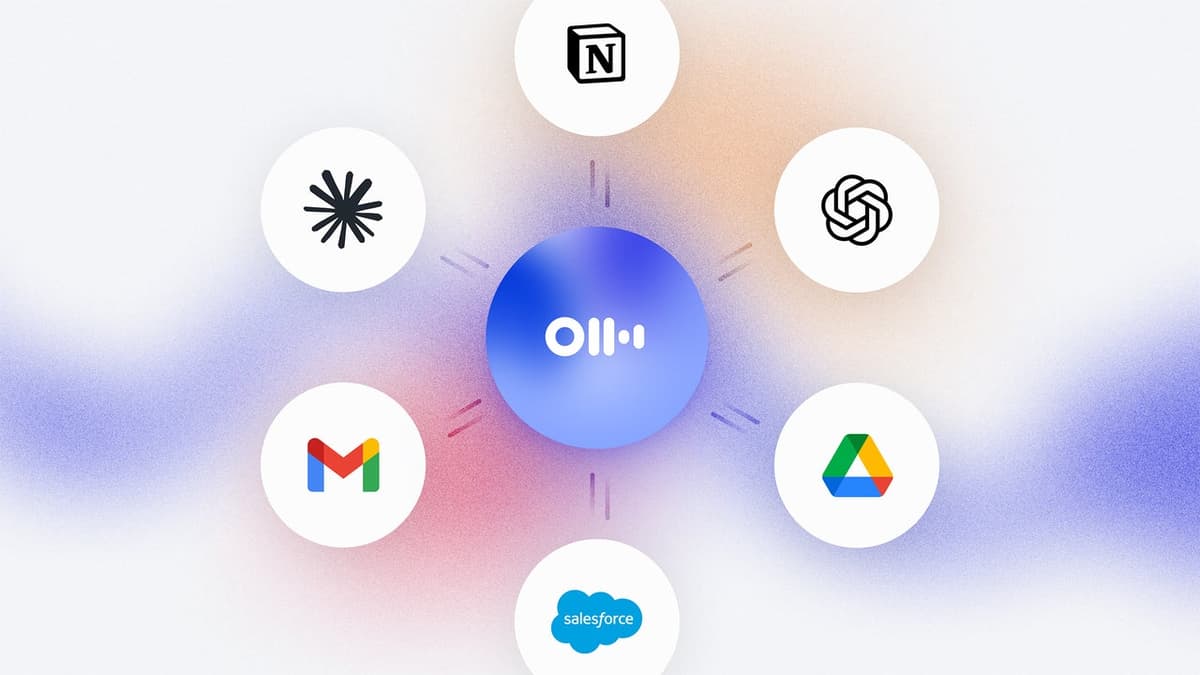
Otter AI’s latest rollout marks a strategic shift from a pure transcription service to an AI‑powered knowledge engine. By embedding the Model Context Protocol, the platform opens its rich meeting data to external large‑language models such as ChatGPT and Claude, enabling seamless cross‑application queries. This technical bridge lets users ask follow‑up questions that draw on live data from integrated tools like Salesforce or Notion, turning isolated conversation snippets into actionable, context‑aware answers.
The move addresses a persistent pain point for knowledge workers: the rapid obsolescence of static documents compared with the dynamic information exchanged in meetings. Otter’s "channels" create shared repositories where entire teams can access and mine recordings, facilitating enterprise‑wide knowledge bases that evolve in real time. AI agents can now surface trends across dozens of sales calls or departmental briefings, delivering insights that were previously hidden in siloed audio files. This capability promises to reduce the time spent searching for information and to improve decision‑making speed.
In a market crowded with collaboration tools, Otter’s integration strategy differentiates it by positioning the service as a central hub for both human and machine consumption of meeting intelligence. Companies that adopt the platform can expect higher meeting capture rates, especially with the upgraded desktop client, and more consistent documentation of strategic discussions. However, success will hinge on robust governance to manage data privacy and permission controls as AI agents gain broader access to internal communications. If managed well, Otter could become a cornerstone of the emerging AI‑augmented workplace.
Otter wants AI agents to mine your meetings for institutional knowledge
Comments
Want to join the conversation?
Loading comments...