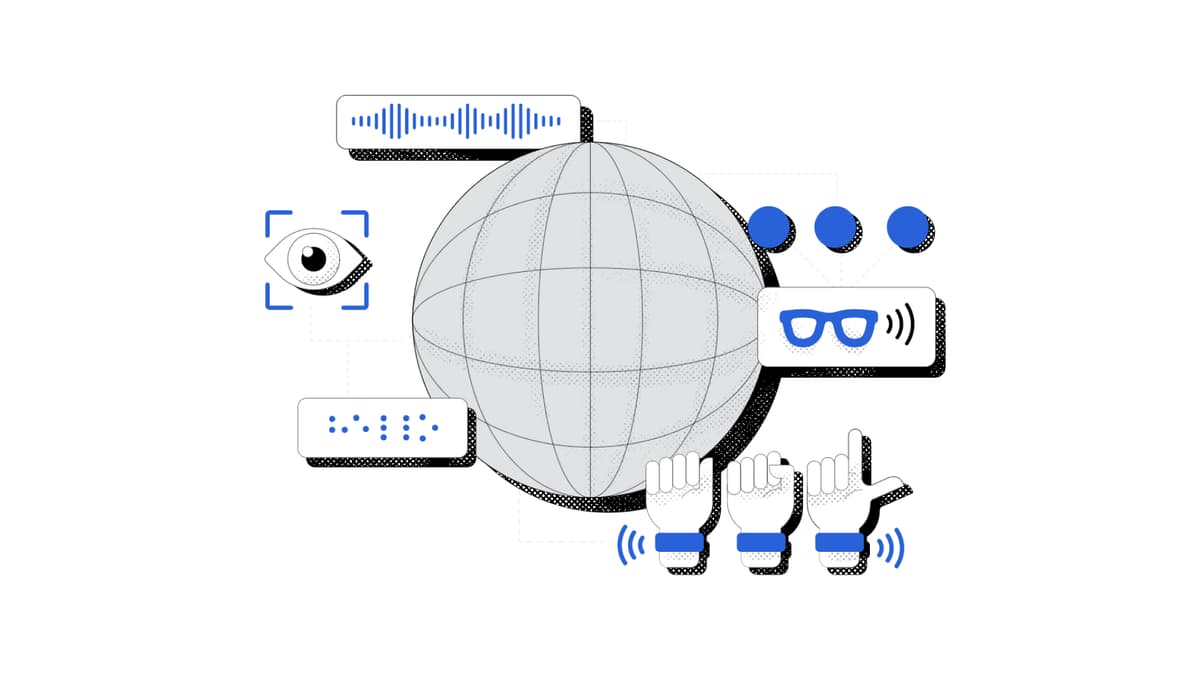
Our AI Wearables Are “Changing the Game” For Disabled People
Companies Mentioned

Why It Matters
The enhancements position Meta as a serious player in the assistive‑technology market, unlocking new revenue streams while delivering measurable social impact for millions of disabled users.
Key Takeaways
- •Meta AI glasses enable hands‑free navigation for blind users via voice commands
- •Group calling with Be My Eyes connects users to live visual assistance
- •Captioned calls provide real‑time subtitles on Ray‑Ban Display lenses
- •Developers can extend apps to glasses using Meta Wearables Device Access Toolkit
- •EMG Neural Band translates muscle signals into digital controls for paralysis
Pulse Analysis
The assistive‑technology sector is rapidly expanding, with over a billion people worldwide living with some form of disability. Meta’s latest AI glasses upgrades tap into this growth by marrying computer vision, natural‑language processing, and wearable hardware to deliver truly hands‑free experiences. By integrating voice‑only controls, real‑time captioning, and direct connections to services like Be My Eyes, the company addresses core barriers—visual, auditory, and motor—that have limited mainstream adoption of smart eyewear.
Beyond consumer‑facing features, Meta is cultivating an ecosystem that encourages third‑party innovation. The Wearables Device Access Toolkit (DAT) lets developers port mobile applications onto the glasses, spawning solutions such as OOrion’s object‑location assistant and Aira’s on‑demand visual interpreter. These partnerships not only broaden the functional repertoire of the devices but also create new monetization pathways through app marketplaces and service subscriptions. For users, the result is a seamless blend of personal assistance and productivity tools that operate without the need for a handheld phone.
Research collaborations further differentiate Meta’s approach. A three‑year study with Carnegie Mellon University leverages EMG signals captured by the Meta Neural Band to enable users with spinal‑cord injuries to control digital interfaces through subtle muscle movements. Demonstrations of gamers steering virtual cars using only forearm gestures illustrate the technology’s potential to unlock independence across daily tasks, from navigating a kitchen to operating a computer. As Meta prepares for its Global Accessibility Awareness Day event, the company signals a long‑term commitment to inclusive design, suggesting that future iterations will continue to push the boundaries of what wearable AI can achieve for disabled communities.
Our AI Wearables Are “Changing the Game” for Disabled People
Comments
Want to join the conversation?
Loading comments...