PNNL: Decoding the Language of Plants and Microbes Using AI
Why It Matters
OPAL’s AI‑driven automation could reshape the U.S. bioeconomy, reducing reliance on foreign supply chains while accelerating breakthroughs in sustainable chemicals and mineral recovery.
Key Takeaways
- •AMP2 automates anaerobic microbial phenotyping
- •AI agents translate raw lab data into actionable insights
- •DOE Genesis Mission targets bio‑product and mineral recovery
- •PNNL’s mass‑spec data fuels rapid AI‑guided experiments
Pulse Analysis
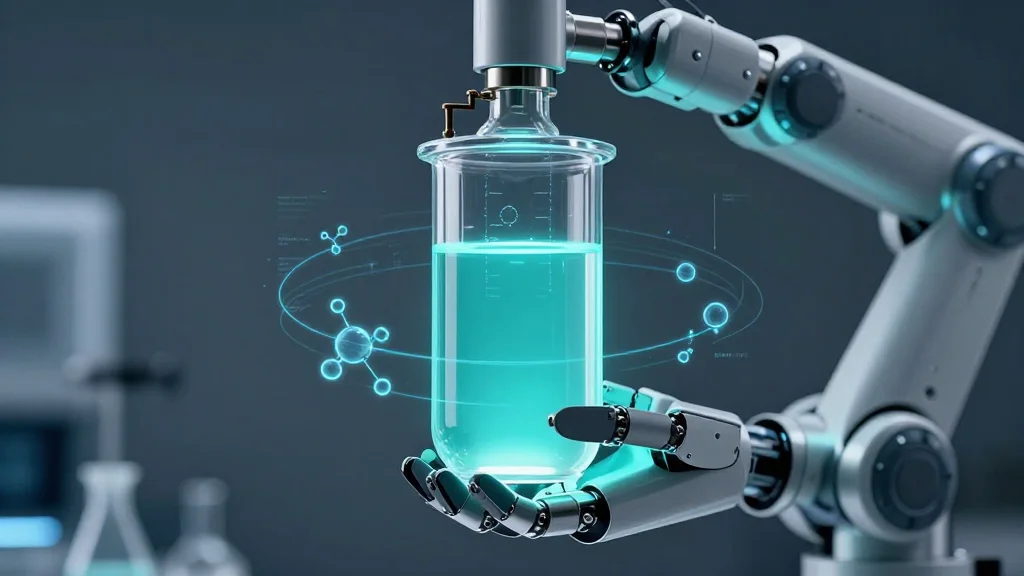
The convergence of artificial intelligence and biology is reaching a tipping point, and the DOE’s Orchestrated Platform for Autonomous Laboratories (OPAL) exemplifies this shift. Funded under the Genesis Mission, OPAL unites four national labs to build a fully autonomous research ecosystem where robots, high‑throughput instrumentation and AI agents operate in a continuous design‑build‑test‑learn loop. By digitizing every experimental step, the platform eliminates manual bottlenecks and creates a data‑rich environment that AI can ingest, analyze, and act upon without human intervention.
At the heart of OPAL lies the Anaerobic Microbial Phenotyping Platform (AMP2), which went live in January 2026 at PNNL’s Environmental Molecular Sciences Laboratory. AMP2 integrates robotic sample handling, precise incubation timing and cutting‑edge mass‑spectrometry, proteomics and metabolomics pipelines. Coupled with the FAMOUS AI models, the system converts raw spectra and growth metrics into standardized formats that downstream AI agents can interpret. These agents function as a “central nervous system,” orchestrating experiments, predicting phenotypic outcomes and iteratively refining microbial strains for higher yields or stress tolerance.
The strategic impact extends beyond academic curiosity. By rapidly identifying microbes and plants that can produce valuable chemicals or extract critical minerals like nickel and rare‑earth elements, OPAL directly supports U.S. supply‑chain resilience and climate‑friendly manufacturing. Faster discovery cycles mean companies can move from lab to market in weeks rather than years, strengthening American leadership in the emerging bio‑economy. As AI continues to decode the language of biology, platforms like OPAL will become essential engines for sustainable innovation and national security.
PNNL: Decoding the Language of Plants and Microbes Using AI
Comments
Want to join the conversation?
Loading comments...