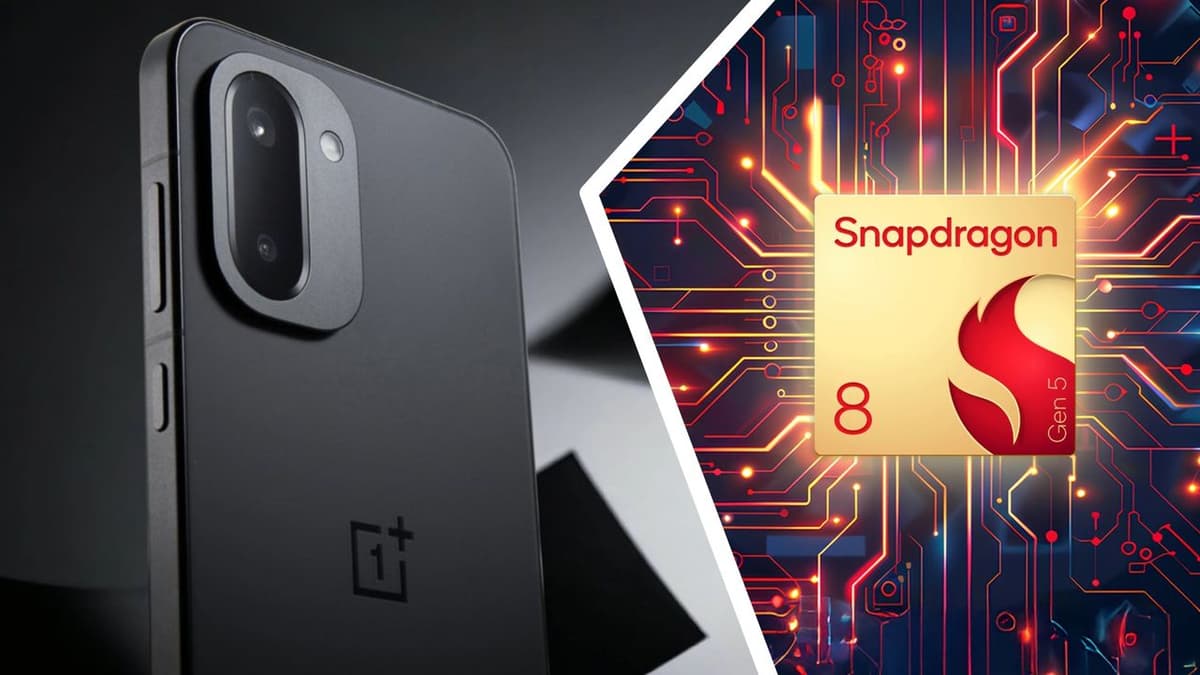
‘Qualcomm Knows It Has to Fight Back’: OnePlus Exec Explains Why Apple Is (Partially) Responsible for the New Snapdragon 8 Gen 5 Chipset
•December 3, 2025
0
Companies Mentioned

Why It Matters
Qualcomm’s dual‑chipset strategy counters Apple’s silicon roadmap and expands high‑end performance across the Android market, reshaping pricing and feature distribution.
Key Takeaways
- •Snapdragon 8 Gen 5 mirrors Elite architecture, lower cost
- •Qualcomm adopts Apple‑style dual‑chipset strategy
- •OnePlus 15R brings flagship performance to cheaper tier
- •Shared software baseline eases feature porting across models
- •Consumers perceive newer chip as performance upgrade
Pulse Analysis
Qualcomm’s decision to split its top‑tier silicon into Snapdragon 8 Elite Gen 5 and Snapdragon 8 Gen 5 reflects a strategic pivot inspired by Apple’s recent dual‑chipset releases. By offering a separate, yet architecturally identical, chipset for base models, Qualcomm can keep the latest CPU and GPU innovations in the mainstream segment, preventing the perception that mid‑range devices are merely recycled older technology. This mirrors Apple’s shift from reusing A‑series chips in lower‑priced iPhones to delivering a distinct, current‑generation silicon for each tier, a move that has sharpened consumer expectations for performance parity.
For OEMs like OnePlus, the shared architecture simplifies development cycles and accelerates feature trickle‑down. The 15R will inherit the same Detailmax Engine, Wi‑Fi G2 chip, and software baseline as the flagship 15, allowing rapid porting of high‑refresh‑rate displays and gaming optimizations. Engineers can reuse drivers and performance tuning, reducing time‑to‑market and R&D costs while still marketing the device as equipped with the newest chipset. This approach also strengthens the value proposition for consumers, who receive cutting‑edge performance without paying premium prices.
The broader market impact could be significant. As Android manufacturers adopt the dual‑flagship model, we may see a compression of the performance gap between flagship and upper‑midrange phones, intensifying competition with Apple’s iPhone lineup. Pricing strategies may shift, with more devices priced competitively while still boasting top‑tier silicon. Moreover, Qualcomm’s move signals to the industry that future chip releases will likely continue this bifurcated approach, prompting rivals to reconsider their own silicon roadmaps to stay relevant in an increasingly performance‑driven market.
‘Qualcomm knows it has to fight back’: OnePlus exec explains why Apple is (partially) responsible for the new Snapdragon 8 Gen 5 chipset
0
Comments
Want to join the conversation?
Loading comments...