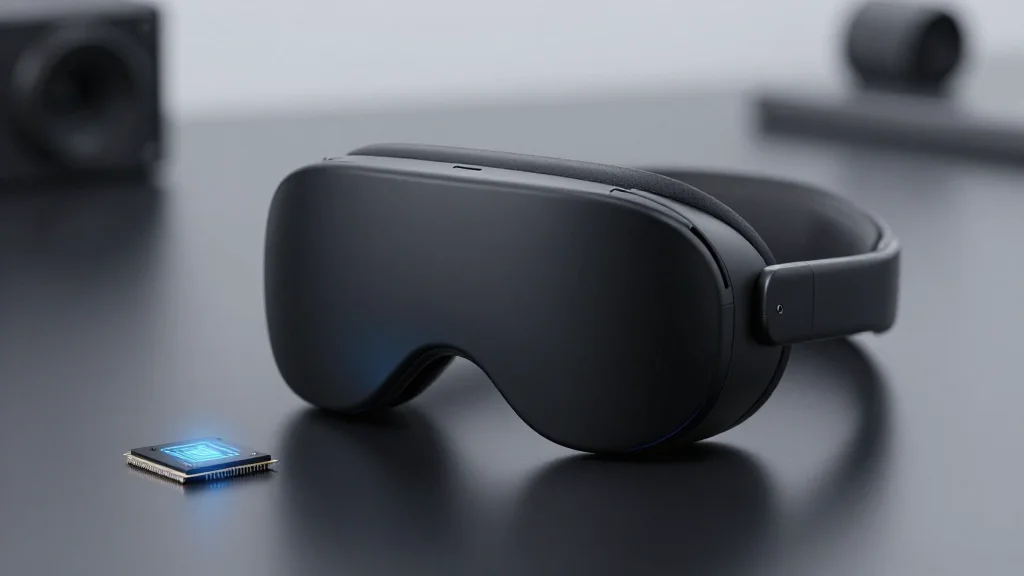
Qualcomm Launches Snapdragon Reality Elite and a White-Label Toolkit for AI Glasses, Betting the Next Platform Is Not a Phone
Companies Mentioned


Why It Matters
By supplying both a high‑performance XR chip and an end‑to‑end design kit, Qualcomm positions itself to capture the bulk of revenue from a fragmented smart‑glasses market, mirroring its dominance in smartphones. The strategy could accelerate adoption of wearable AI devices and lock in long‑term silicon demand.
Key Takeaways
- •Snapdragon Reality Elite boosts GPU performance 60% over XR2+ Gen2
- •NPU reaches 48 TOPS, runs 3B‑parameter model on‑device
- •START offers white‑label AR1+ hardware plus software stack
- •Qualcomm invested $10M in Inspecs, taking 7.5M shares
- •Meta holds ~82% of smart‑glasses market, 7M units sold
Pulse Analysis
Qualcomm’s Snapdragon Reality Elite marks a significant leap in mixed‑reality silicon, delivering a 48‑TOPS neural processing unit capable of running a 3‑billion‑parameter language model at 45 tokens per second. The chip’s 60% GPU uplift, 30% CPU gain and 20% longer battery life address the performance‑and‑comfort bottlenecks that have hampered XR adoption. Coupled with 4.4K‑per‑eye resolution and cooler operation, the platform positions Qualcomm to power both standalone video‑see‑through headsets and lightweight optical‑see‑through glasses, expanding the ecosystem beyond today’s niche devices.
The START (Scalable Turnkey AI‑Ready Toolkit) extends Qualcomm’s reach by offering a complete hardware‑software package built around the AR1+ chip. Partners receive three reference designs—audio‑camera, monocular and binocular—plus iOS/Android apps and cloud AI services, enabling eyewear brands to launch smart glasses without deep engineering expertise. Qualcomm’s $10 million equity investment in Inspecs underscores a shift from pure licensing to strategic stakeholding, echoing its early‑2000s reference‑design model that helped proliferate Snapdragon smartphones. This approach lowers entry barriers for fashion‑forward manufacturers while ensuring Qualcomm retains a foothold in the supply chain.
The smart‑glasses market remains fragmented, with Meta commanding roughly 82% of sales and rivals like Snap, Apple and Google still testing form factors. Qualcomm’s bet is that, as with smartphones, a shared silicon platform will attract dozens of OEMs, allowing the company to capture volume regardless of brand winners. However, consumer adoption hinges on compelling use cases and comfort improvements. If the ecosystem coalesces, Qualcomm could replicate its mobile‑era success, securing a durable revenue stream as the industry pivots away from the traditional smartphone paradigm.
Qualcomm launches Snapdragon Reality Elite and a white-label toolkit for AI glasses, betting the next platform is not a phone
Comments
Want to join the conversation?
Loading comments...