RAM Prices Are Terrifying, so Nvidia Wants to Turn Your Amazon Fire TV Stick Into a Gaming PC
•January 6, 2026
0
Companies Mentioned


Why It Matters
By turning inexpensive devices into high‑performance gaming portals, Nvidia mitigates the impact of soaring RAM prices and expands its subscription ecosystem, reshaping the PC‑gaming market.
Key Takeaways
- •Nvidia adds GeForce Now to Fire TV sticks.
- •Linux PCs gain native GFN support.
- •RTX 4080/5080 streaming via Ultimate tier.
- •Cloud gaming mitigates RAM price crisis.
- •DLSS 4.5 launched for RTX GPUs.
Pulse Analysis
The ongoing RAM price surge has made building or upgrading a gaming PC increasingly prohibitive for many consumers. Nvidia’s strategic pivot toward cloud‑based services leverages its GPU expertise without requiring end‑users to purchase expensive memory modules. By bundling DLSS 4.5 with GeForce Now, the company not only improves visual fidelity but also reduces the bandwidth needed for high‑resolution streams, making cloud gaming a more viable option for bandwidth‑constrained households.
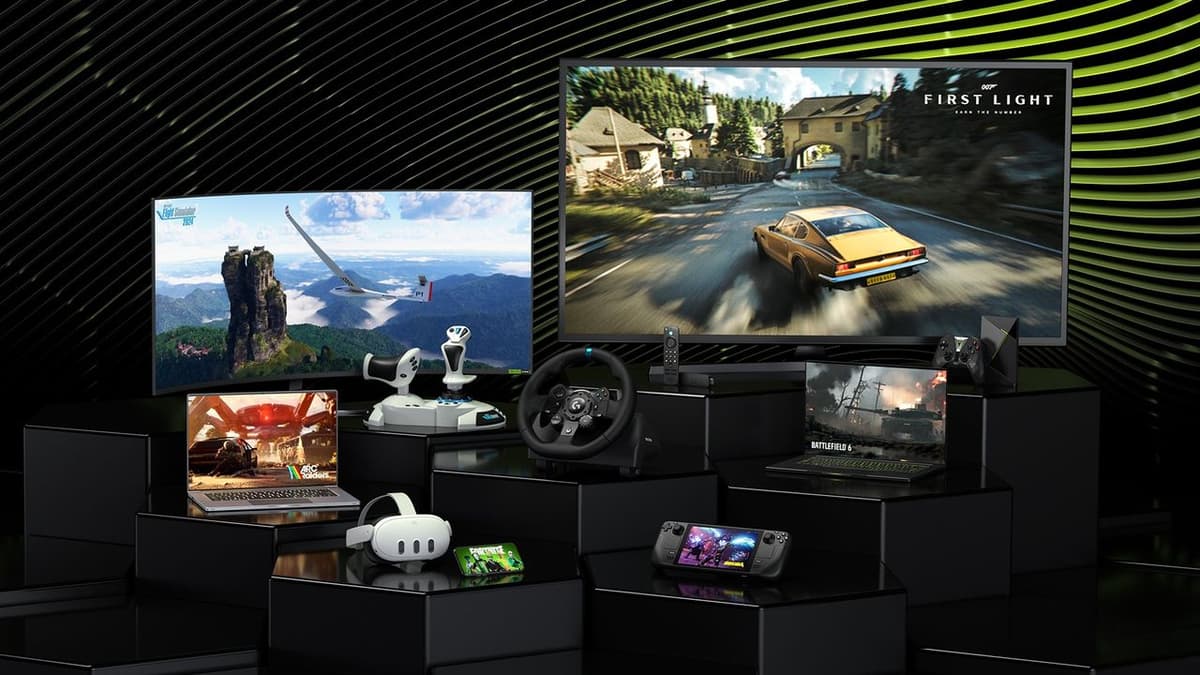
Amazon’s Fire TV stick, traditionally a streaming media device, now doubles as a low‑cost gaming terminal thanks to native GeForce Now integration. Users can access RTX‑class performance on a device that costs a fraction of a dedicated console, provided they have a stable, high‑speed internet connection. This democratizes premium gaming experiences, challenges the value proposition of mid‑range consoles, and could spur competition among streaming hardware manufacturers to enhance gaming capabilities.
Extending support to Linux PCs and the Steam Deck underscores Nvidia’s commitment to the open‑source gaming ecosystem. As Valve’s Steam Machine eyes a 2026 launch, native GFN access offers developers a broader audience and encourages better driver and anti‑cheat integration on Linux platforms. The combined push into affordable hardware and robust software tools positions Nvidia to dominate the emerging cloud‑gaming frontier, while giving gamers a flexible, hardware‑agnostic pathway to next‑gen titles.
RAM prices are terrifying, so Nvidia wants to turn your Amazon Fire TV stick into a gaming PC
0
Comments
Want to join the conversation?
Loading comments...