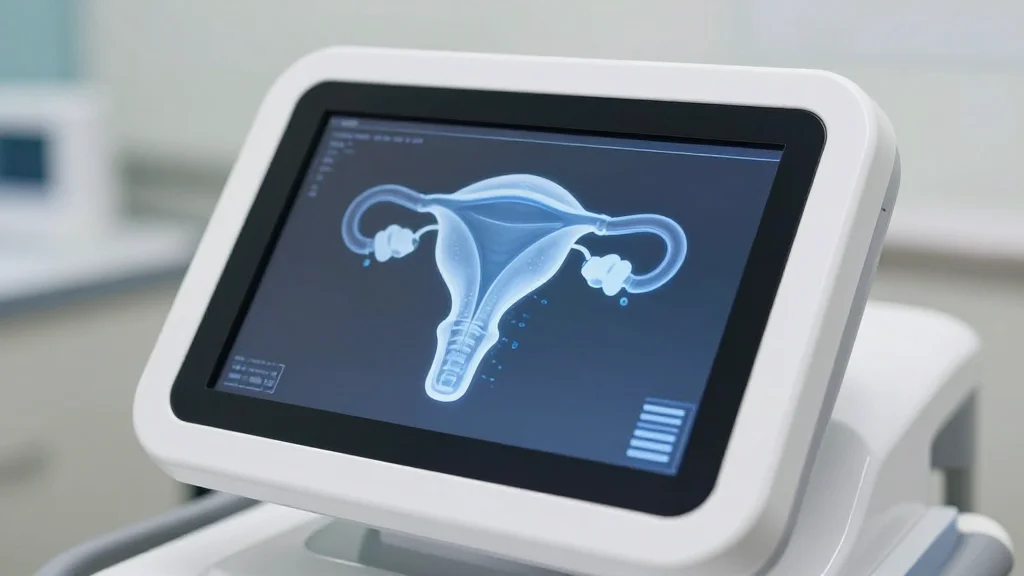
Re: AI Supported Diagnostic Innovations for Impact in Global Women’s Health
Why It Matters
China’s proven regulatory pathways and equity‑focused research provide a replicable roadmap for scaling AI‑enabled women’s health diagnostics in resource‑constrained settings, potentially accelerating global cancer‑prevention efforts.
Key Takeaways
- •China approved 154 AI medical devices 2020‑2025, 50% CAGR
- •Deep learning dominates approvals; radiology includes cervical imaging
- •Provincial AI adoption linked to economic, digital, institutional capacity
- •Policy support and digital literacy improve AI uptake in underserved regions
- •AI‑assisted cytology can detect infections alongside cancer, boosting diagnostic value
Pulse Analysis
The promise of artificial intelligence in women’s health—particularly for cervical cancer screening—has been tempered by practical barriers in low‑ and middle‑income countries (LMICs). Linder and colleagues identified infrastructure limits, regulatory ambiguity, financing gaps, and community trust as key hurdles. While their analysis underscores the urgency of scalable solutions, it overlooks a burgeoning source of insight: China’s AI diagnostic landscape, which has evolved under a uniquely adaptive regulatory regime.
China’s National Medical Products Administration approved 154 AI‑based medical devices from 2020 to 2025, with annual approvals climbing from nine to 45—a compound annual growth rate near 50 percent. Deep‑learning algorithms dominate, especially in radiology, where applications now span cervical and broader reproductive imaging. The regulatory framework balances rapid priority pathways for high‑impact tools with risk‑proportional oversight, offering a template that LMIC regulators could emulate to shorten time‑to‑market while maintaining safety.
Equity research within China further enriches the playbook. A 2025 study linked AI adoption disparities to regional GDP, digital infrastructure, and institutional capacity, mirroring challenges faced by many LMICs. Crucially, the analysis identified modifiable levers—targeted policy incentives and digital‑literacy programs—that can accelerate uptake. Concurrently, AI‑enhanced cytology platforms, such as the Hologic Genius system evaluated in Chinese labs, now detect co‑occurring infections alongside malignancy, expanding diagnostic utility for settings where reproductive‑tract infections amplify cancer risk. By integrating China’s regulatory agility, equity‑focused policies, and broadened diagnostic capabilities, global health stakeholders can fast‑track AI‑driven women’s health solutions across underserved regions.
Re: AI supported diagnostic innovations for impact in global women’s health
Comments
Want to join the conversation?
Loading comments...