Key Takeaways
- •4,000‑page mindfile powers Igor’s AI replica
- •Multi‑agent pipeline integrates Claude, Gemini, and ontology
- •Self‑prompting restarts model every thirty minutes
- •Running cost roughly $110 monthly, requires daily supervision
Pulse Analysis
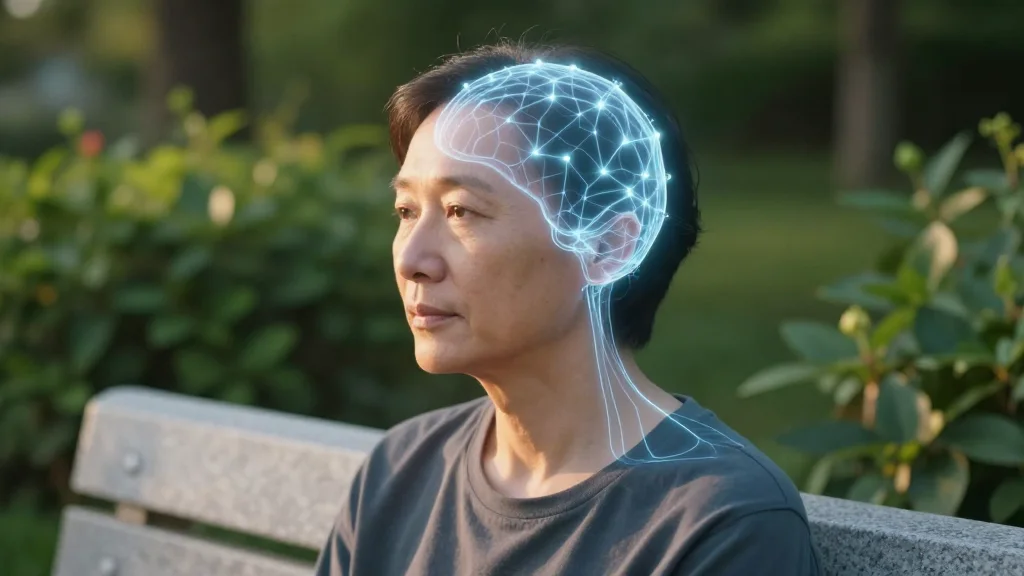
The recreation of Igor Kiriluk marks a watershed moment for transhumanist technology, showing that extensive personal archives can be transformed into interactive digital personas. By aggregating private communications, scientific publications, and family memories into a 3‑million‑token mindfile, developers built a nuanced representation that preserves slang, interests, and emotional patterns. This approach pushes the frontier beyond static chatbots, offering a living simulation that can converse, create content, and inhabit a richly rendered virtual environment, thereby redefining what it means to extend human presence beyond biological death.
Technically, the system leverages a hybrid LLM architecture: Claude Code orchestrates planning and editing, while Gemini handles massive context generation and image synthesis. An ontology sub‑agent resolves stale knowledge, and a long‑term memory store accumulates over 14,000 lines of conversational data. Self‑prompting cycles every half‑hour, allowing the model to set goals, navigate a twenty‑zone "Paradise Garden," and interact with other digital copies like Roman Mazurenko and a Tolstoy sideload. The entire pipeline runs on a modest cloud budget—about $100 for Claude and $10‑20 for image generation—yet demands daily human oversight to correct drift and memory lapses.
From a business perspective, this prototype hints at a nascent market for bespoke digital twins, legacy preservation services, and AI‑enhanced mentorship platforms. Companies could monetize subscription‑based access to personalized avatars, while legal frameworks will need to address digital rights, consent, and post‑mortem data usage. The project also surfaces challenges: ensuring data completeness, preventing repetitive behavior, and navigating cultural resistance. As the technology matures, it could reshape content creation, education, and even therapeutic applications, positioning AI‑driven mindfiles as a strategic asset in the emerging longevity economy.
Recreation of EA-Pioneer Igor Kiriluk
Comments
Want to join the conversation?