Red Hat Performance and Scale Engineering
Why It Matters
These advances prove that software optimization combined with next‑gen hardware can dramatically lower AI inference costs and accelerate adoption across data‑center and edge environments, positioning Red Hat as a key enabler for enterprise generative AI.
Key Takeaways
- •Red Hat vLLM achieved top MLPerf Inference scores on NVIDIA H200 GPUs
- •Speculative decoding cuts GPU latency, boosting enterprise AI throughput
- •Blackwell RTX PRO 4500 GPUs accelerate Red Hat AI workloads on edge
- •vLLM performance diagnostics guide helps enterprises maintain inference efficiency
- •OpenShift AI scaling tools enable on‑prem LLM inference with cost control
Pulse Analysis
Red Hat’s recent MLPerf Inference v6.0 achievements underscore the strategic value of co‑designing software stacks with hardware partners. By leveraging NVIDIA’s H200 and B200 accelerators alongside Red Hat Enterprise Linux and OpenShift AI, the company delivered up to 50 % higher throughput than competing configurations. This performance edge translates directly into lower total cost of ownership for enterprises running large language models, making on‑prem AI deployments more financially viable than cloud‑only alternatives.
A complementary breakthrough is the adoption of speculative decoding within the open‑source vLLM framework. The technique runs a lightweight draft model to pre‑generate token candidates, then validates them with the target model in a single pass. Early benchmarks show millisecond‑level latency reductions, which can shave millions of dollars from GPU‑intensive workloads at scale. Red Hat’s step‑by‑step diagnostic guides further empower operators to identify bottlenecks and maintain consistent inference performance as models move from pilot to production.
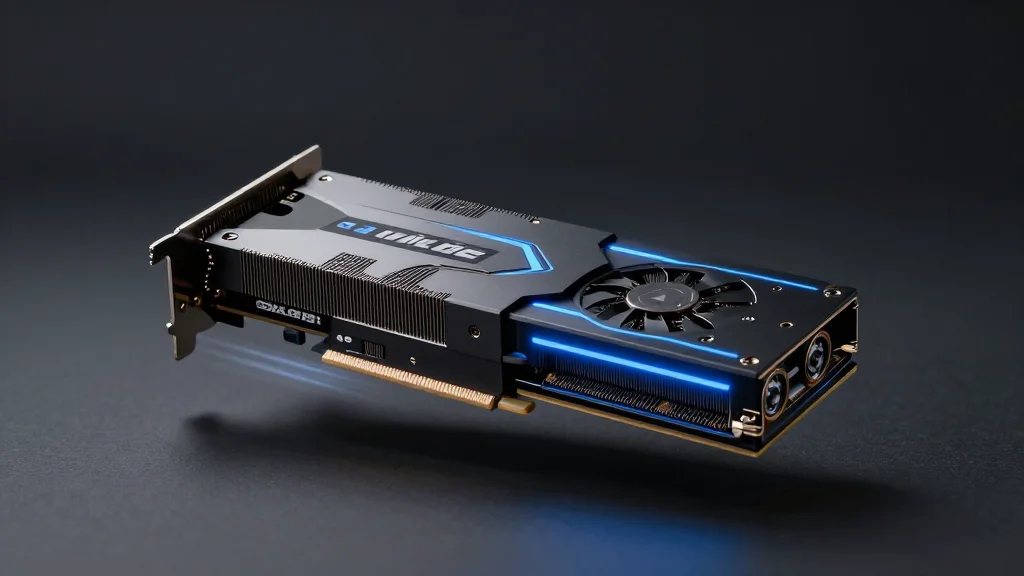
Beyond raw compute, Red Hat is extending AI reach to edge and hybrid environments through the NVIDIA RTX PRO 4500 Blackwell Server Edition. These GPUs deliver a substantial performance uplift over traditional CPU‑only servers, enabling latency‑sensitive applications such as real‑time speech transcription and vision analytics. Coupled with OpenShift AI’s autoscaling and KEDA‑driven service‑level indicators, organizations can dynamically allocate resources, ensuring optimal utilization while controlling spend. Together, these innovations reinforce Red Hat’s role as a catalyst for enterprise‑grade generative AI adoption.
Red Hat Performance and Scale Engineering
Comments
Want to join the conversation?
Loading comments...