Companies Mentioned

Why It Matters
On‑device AI enhances privacy and reduces ongoing subscription costs, giving enterprises and consumers greater control over security data. This move could pressure competitors to adopt similar edge‑computing solutions.
Key Takeaways
- •AI Box processes video locally using Qualcomm Dragonwing chip
- •Prompt‑based alerts let users define detection logic via natural language
- •Smart Summary auto‑generates footage highlights, risk analysis
- •Power‑Efficient Series targets long battery life for outdoor cams
- •Solar Floodlight Cam runs all day on one hour sunlight
Pulse Analysis
Reolink’s AI Box reflects a broader industry trend toward edge computing, where processing power is embedded directly in devices rather than relying on distant cloud servers. By leveraging the Qualcomm Dragonwing Q8‑series chip, the hub can execute sophisticated neural networks on‑device, delivering real‑time alerts and searchable video without transmitting raw footage. This architecture not only cuts latency but also mitigates privacy concerns, a critical factor for businesses handling sensitive surveillance data.
The AI Box’s feature set—prompt‑based alerts, natural‑language video search, event description, and smart summaries—offers tangible operational efficiencies. Security teams can craft custom detection rules in plain English, reducing false positives and streamlining incident response. Automated summaries distill hours of footage into concise reports, freeing analysts to focus on high‑priority events. For sectors like retail, logistics, and critical infrastructure, these capabilities translate into faster threat identification and lower labor costs.
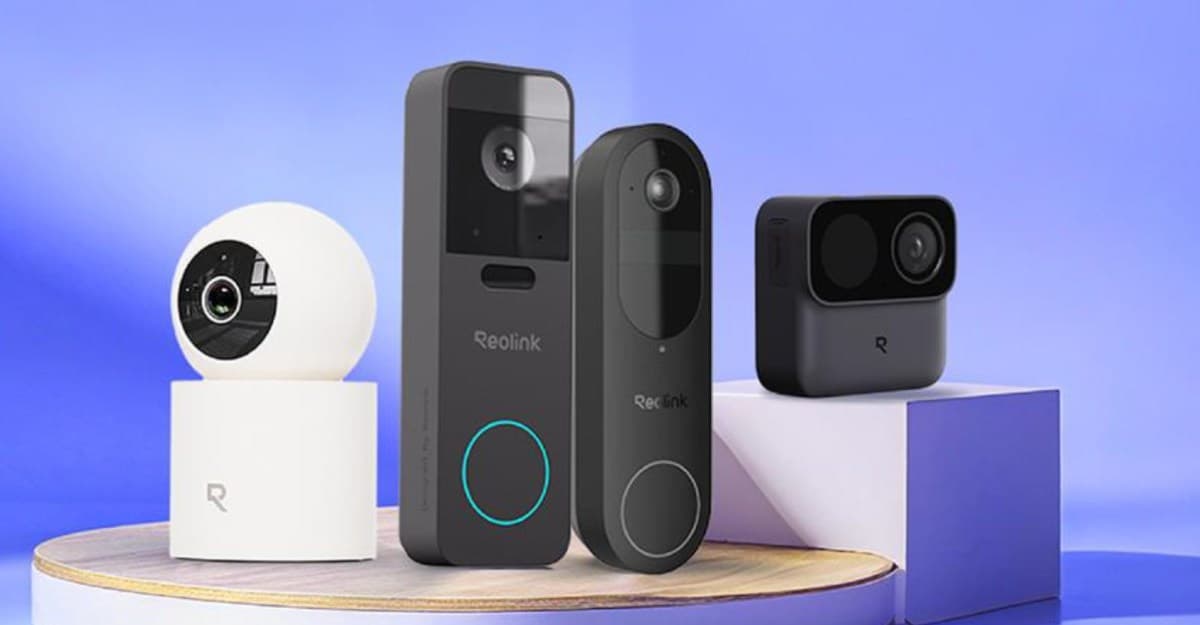
Reolink’s simultaneous rollout of power‑efficient, solar‑charged, and high‑resolution cameras complements the AI hub, creating a cohesive ecosystem that balances performance, sustainability, and cost. The Power‑Efficient Series extends battery life for remote deployments, while the OMVI series provides 24‑megapixel detail and 16× optical zoom for detailed monitoring. By bundling on‑device AI with versatile hardware, Reolink positions itself to capture market share from rivals still dependent on cloud‑centric models, potentially reshaping pricing structures and accelerating adoption of privacy‑first surveillance solutions.
Reolink made a local AI hub for its security cameras
0
Comments
Want to join the conversation?
Loading comments...