Companies Mentioned

Why It Matters
The breakthrough shows AI‑powered robotics can dramatically accelerate cultural‑heritage restoration, reducing manual effort and preserving artifacts before they deteriorate further.
Key Takeaways
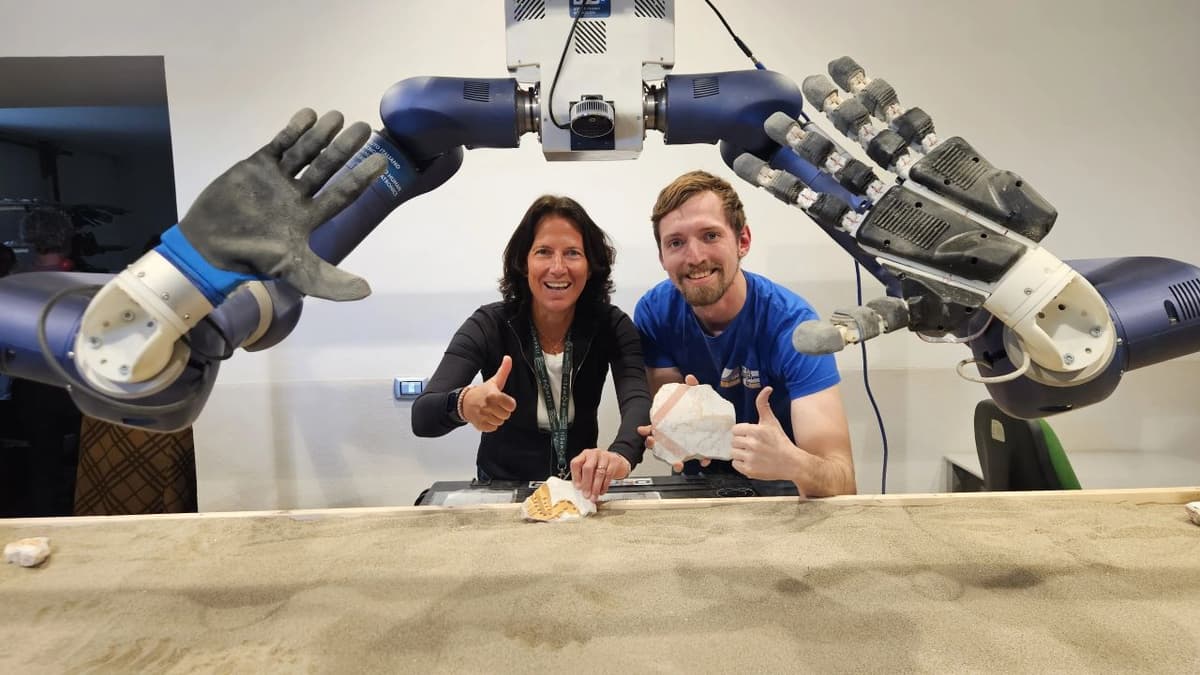
- •Dual‑arm robot reconstructs shattered Pompeii frescoes
- •AI model matches fragments via 3D scans
- •Project part of EU RePAIR cultural heritage initiative
- •Reduces manual labor, lets archaeologists focus on analysis
- •Scalable system targets global artifact restoration
Pulse Analysis
Heritage conservation has long wrestled with the painstaking task of piecing together artifacts damaged by time, natural disasters, or conflict. Traditional manual reconstruction can take years, often limited by the availability of skilled conservators and the fragile nature of the fragments. By integrating advanced computer‑vision algorithms with a dexterous dual‑arm manipulator, the Bonn team introduced a new workflow that digitizes each shard, predicts its position within the original composition, and physically reassembles it with millimetric accuracy. This approach not only speeds up the process but also creates a reproducible digital record for future study.
The technical core of the system relies on high‑resolution 3D scanning to capture the geometry of each fragment, feeding the data into a deep‑learning model trained on thousands of simulated puzzle configurations. The AI evaluates edge contours, surface textures, and color patterns to propose optimal matches, while the robot’s motion‑planning software ensures safe, collision‑free handling. Such synergy between perception and manipulation reduces human error and mitigates the risk of further damage during handling. Moreover, the modular software architecture allows the platform to be adapted for diverse artifact types, from ceramics to architectural elements, without extensive re‑engineering.
Beyond the immediate archaeological gains, this technology signals a shift in the cultural‑heritage sector toward scalable, AI‑enabled restoration services. Funding from the EU’s RePAIR initiative underscores a strategic push to embed robotics in preservation pipelines, opening commercial opportunities for firms specializing in heritage tech, museum conservation, and even private collectors. As more institutions adopt similar systems, the market for AI‑driven restoration tools is poised for growth, promising faster, more cost‑effective preservation of humanity’s shared past.
Robot Reassembles Pompeii Artifacts
0
Comments
Want to join the conversation?
Loading comments...