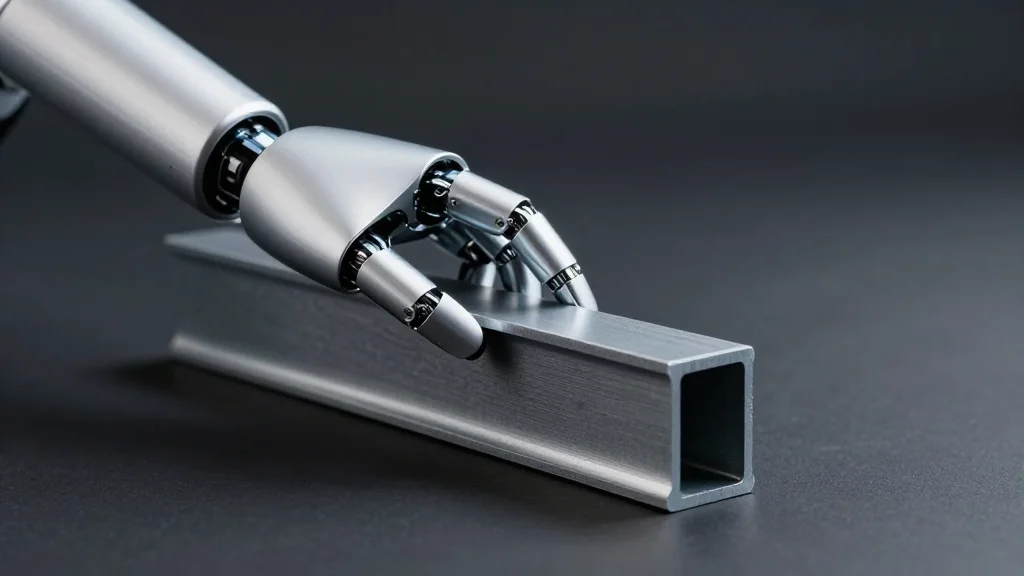
Sam Altman Says OpenAI Now Has a Dedicated Robotics Initiative, Hiring Engineers

Why It Matters
OpenAI’s entry into robotics signals a major AI player moving beyond software, potentially reshaping construction labor markets and spawning a new consumer‑robot segment. The hiring push also intensifies competition for top robotics talent.
Key Takeaways
- •OpenAI launches dedicated robotics unit led by Aditya Ramesh
- •Hiring spans hardware, machine learning, systems, and operations engineers
- •Short‑term robots will assist skilled workers building infrastructure
- •Long‑term vision envisions personal robots for everyday household tasks
- •Program stems from OpenAI’s world‑simulation research, merging hardware with AI
Pulse Analysis
OpenAI’s decision to spin off a full‑time robotics program marks a strategic pivot from pure AI software toward embodied intelligence. By uniting its world‑simulation expertise with hands‑on hardware development, the company aims to create robots that can perceive, plan, and act in real environments. This integration mirrors trends at rivals like Boston Dynamics and Tesla, but OpenAI’s strength lies in large‑scale language and vision models that can provide flexible, context‑aware control, potentially accelerating the path from prototype to deployment.
The short‑term roadmap focuses on augmenting skilled labor in infrastructure projects such as construction, utilities, and manufacturing. As labor shortages tighten and project timelines tighten, robots that can handle repetitive, hazardous, or precision‑intensive tasks could deliver immediate cost savings and safety gains. OpenAI’s approach—leveraging its AI models for real‑time perception and decision‑making—could give these robots a competitive edge over traditional automation that relies on fixed programming. Early deployments may involve partnerships with contractors or equipment manufacturers eager to pilot AI‑driven assistance on site.
Looking further ahead, OpenAI envisions personal robots that manage everyday chores, echoing visions once popularized by science‑fiction. The consumer robot market, projected to exceed $30 billion by 2030, remains fragmented, with challenges in affordability, safety standards, and user trust. OpenAI’s brand credibility and its ability to continuously improve software through cloud updates could help overcome these barriers, but success will depend on scaling hardware production and navigating regulatory scrutiny. The aggressive hiring drive underscores the talent crunch in robotics, and OpenAI’s entry may intensify competition for engineers, shaping the talent landscape for years to come.
Sam Altman Says OpenAI Now Has a Dedicated Robotics Initiative, Hiring Engineers
Comments
Want to join the conversation?
Loading comments...