Sam Altman's "Proof of Human" Company Pushes Into Mainstream Services
Companies Mentioned

Why It Matters
As AI bots become indistinguishable from real users, reliable human verification is essential for trust, security, and compliance across digital platforms.
Key Takeaways
- •World ID now integrates with Zoom, DocuSign, Tinder, Okta, Shopify.
- •Open‑source protocol lets any app add human‑verification layer.
- •Standalone World ID app stores credentials for cross‑service login.
- •17.9 million global users; 1.1 million in North America.
- •New orbs will cover major US cities, boosting physical enrollment.
Pulse Analysis
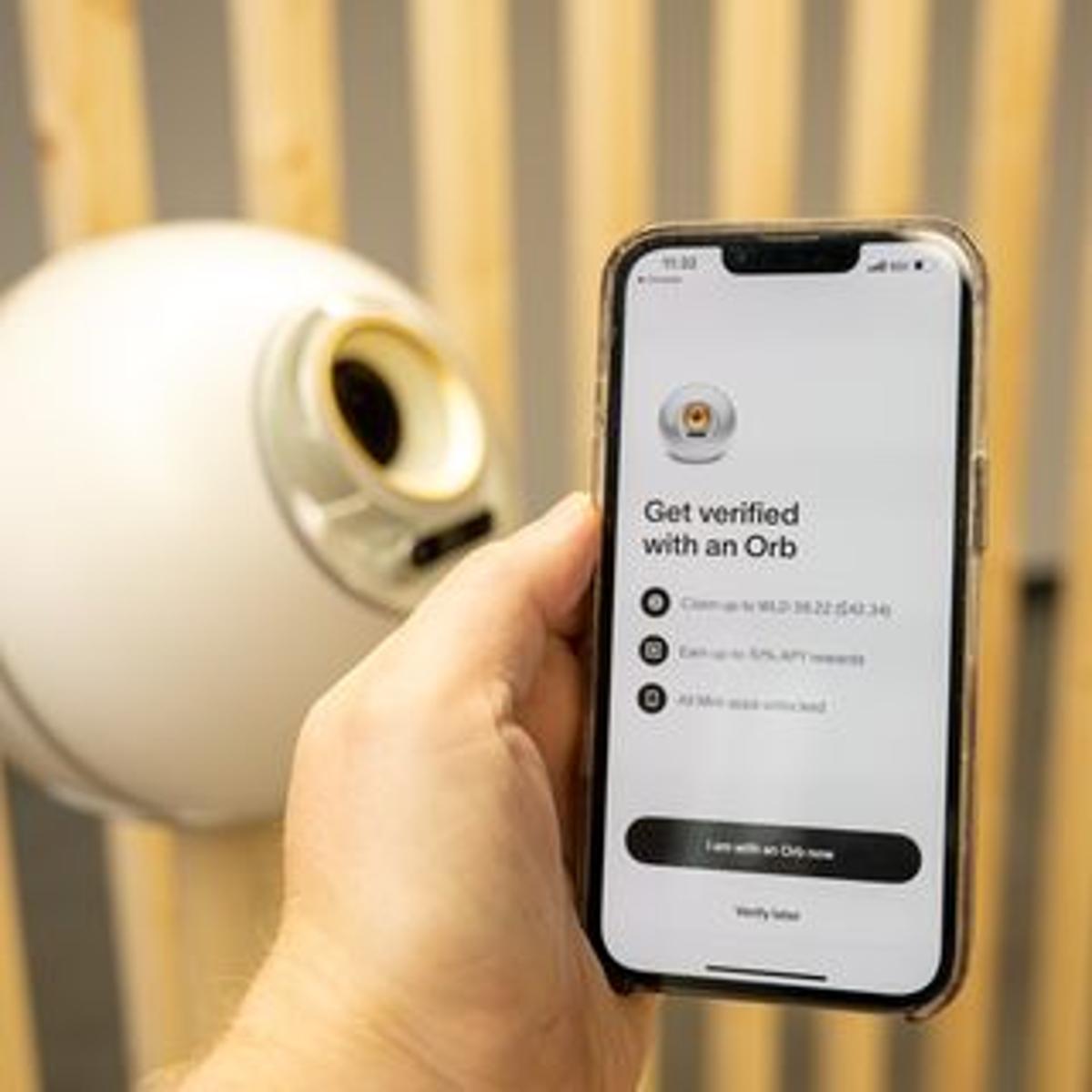
The rise of generative AI and autonomous agents has turned the simple question of "who is online" into a strategic security challenge. World’s approach—combining iris‑scanning orbs, selfie verification, and government‑ID checks—creates a cryptographically unique human token that can replace traditional CAPTCHAs. By open‑sourcing the protocol, the company invites developers to embed this proof‑of‑human layer directly into their products, potentially reshaping how authentication is handled across the internet.
Major platforms are now testing the technology to protect their ecosystems. Zoom plans to use World ID to verify participants and block deep‑fake impersonation, while DocuSign is piloting the system to ensure a real person signs contracts. Partnerships with Okta, Vercel, Tinder and VanEck illustrate a broader push to embed human verification into everything from identity‑based access control to ticket sales. These collaborations could accelerate mainstream adoption, but they also raise privacy and governance questions that regulators and consumers will scrutinize.
Looking ahead, World’s expansion of physical "orbs" in San Francisco, New York and Los Angeles aims to lower enrollment friction for urban users, while an "orb‑on‑demand" service tested in Argentina could bring the technology to remote locations. The open‑source model may spur competition, prompting other biometric or behavioral verification firms to innovate. Analysts will watch adoption rates, regulatory responses, and the balance between security benefits and biometric data concerns as the market seeks a reliable answer to the emerging AI‑human verification dilemma.
Sam Altman's "proof of human" company pushes into mainstream services
Comments
Want to join the conversation?
Loading comments...