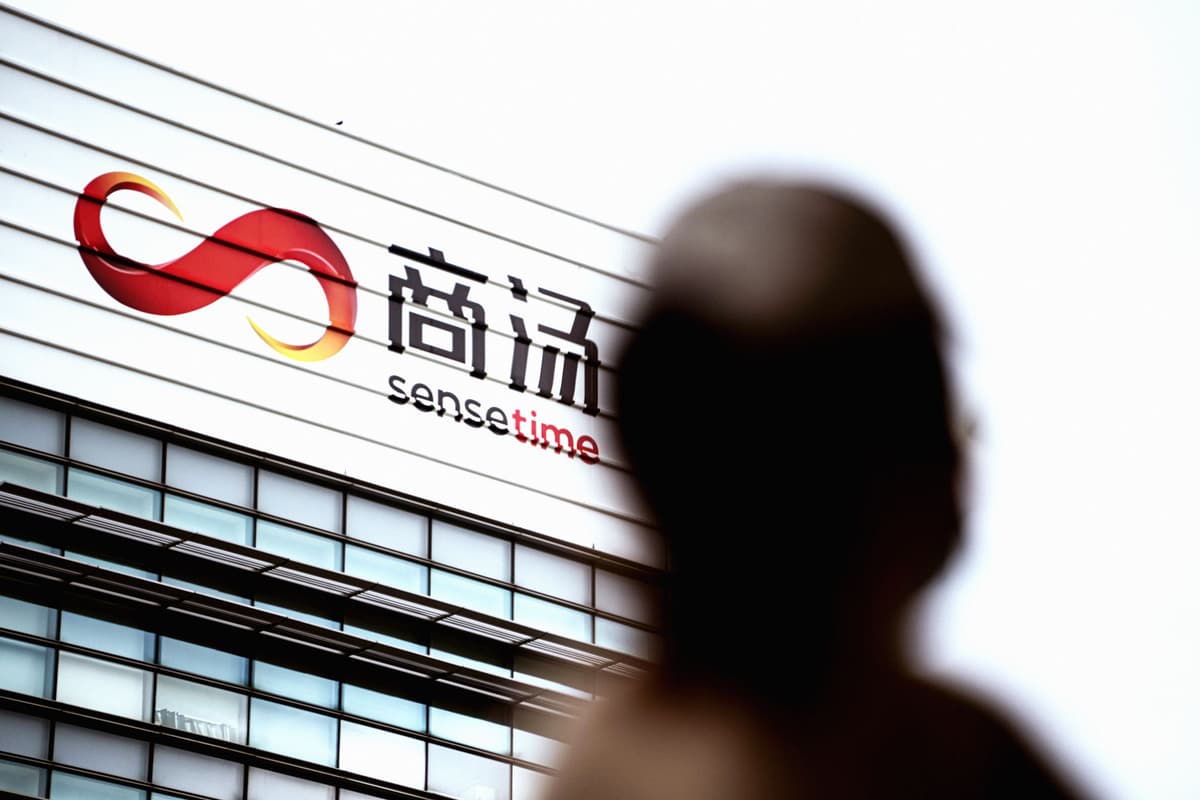
Sanctioned Chinese AI Firm SenseTime Releases Image Model Built for Speed
Companies Mentioned

Why It Matters
SenseNova U1 gives a sanctioned Chinese company a path to compete on performance without relying on restricted Western hardware, potentially reshaping the global AI chip and model market. Its speed and chip‑agnostic design could accelerate robotics and edge‑AI applications in China and beyond.
Key Takeaways
- •SenseTime released open‑source image model SenseNova U1.
- •U1 processes images directly, cutting inference time versus text‑based pipelines.
- •Model runs on Chinese chips from Cambricon, Biren and others.
- •Open‑source release aims to accelerate iteration and attract global researchers.
- •U1 targets robotics, enabling faster visual reasoning on edge devices.
Pulse Analysis
The debut of SenseNova U1 arrives at a pivotal moment for China’s AI sector, which has been hamstrung by U.S. export controls that limit access to cutting‑edge GPUs and training hardware. By engineering a model that can run efficiently on domestically produced chips, SenseTime sidesteps these restrictions and showcases the growing maturity of China’s semiconductor ecosystem. Partnerships with ten local chipmakers, including Cambricon and Biren, underline a coordinated push to build a self‑sufficient AI stack that can rival Nvidia‑driven pipelines.
Beyond the geopolitical angle, the technical novelty of U1 lies in its ability to reason directly on pixel data, eliminating the costly text‑to‑image translation step common in many diffusion models. This architecture, dubbed NEO‑Unify, reduces latency and power consumption, making the model small enough for deployment on smartphones and edge devices. For developers, the open‑source release on platforms like Hugging Face invites community‑driven optimization, accelerating bug fixes and feature extensions that closed‑source competitors often lack.
The broader market impact could be significant for robotics and autonomous systems, where rapid visual processing is critical. SenseTime’s collaboration with ACE Robotics suggests a pipeline where U1 powers perception modules, enabling robots to navigate cluttered environments with fewer computational bottlenecks. As Chinese firms continue to open source advanced models, the global AI landscape may see a diversification of innovation sources, challenging the dominance of Western incumbents and reshaping investment flows toward home‑grown chip and software ecosystems.
Sanctioned Chinese AI Firm SenseTime Releases Image Model Built for Speed
Comments
Want to join the conversation?
Loading comments...