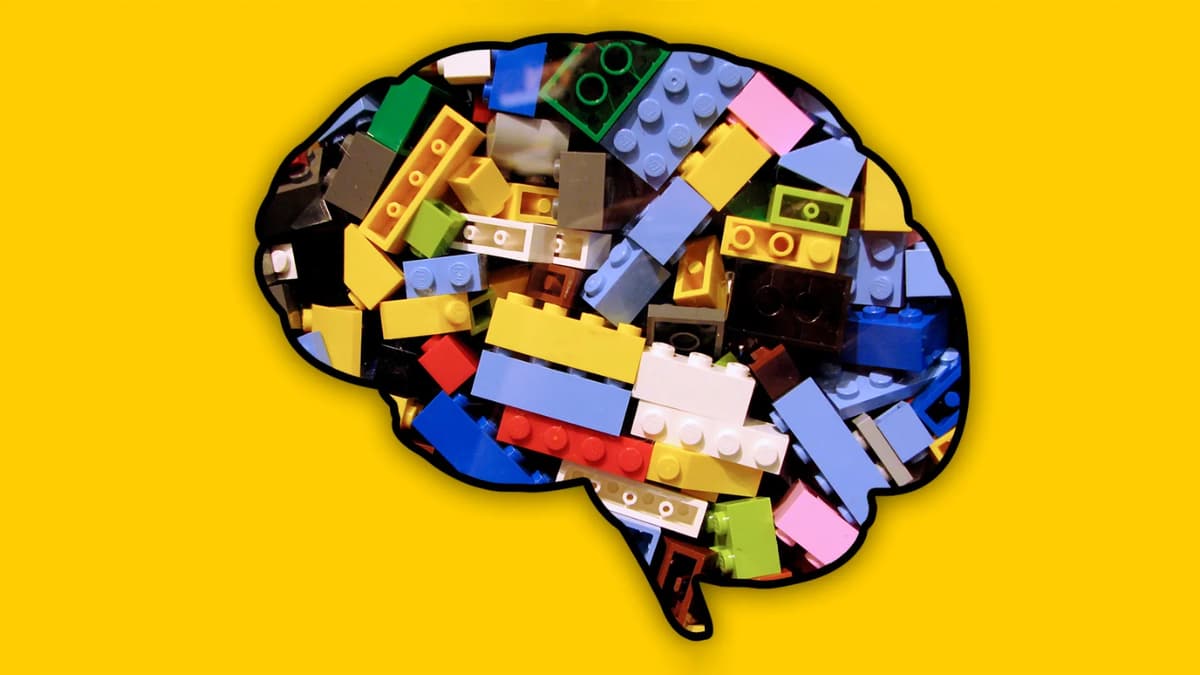
Scientists Uncover the Brain’s Hidden Learning Blocks
•November 28, 2025
0
Why It Matters
The finding explains why the human brain can learn new skills without starting from scratch, highlighting a key limitation of today’s AI and offering a blueprint for more adaptable machine learning models and therapeutic strategies.
Key Takeaways
- •Prefrontal cortex houses reusable cognitive blocks
- •Monkeys showed shared neural patterns across tasks
- •Cognitive Legos enable rapid skill recombination
- •AI lacks compositionality, leading to catastrophic interference
- •Findings may inform therapies for mental flexibility disorders
Pulse Analysis
Artificial intelligence has made headlines for mastering narrow tasks, yet it still falters when asked to transfer knowledge on the fly. The Princeton study shines a light on the brain’s secret weapon: compositionality, the ability to stitch together existing mental components like building blocks. By recording neural activity in macaques as they switched between color and shape categorization tasks, researchers identified recurring patterns in the prefrontal cortex that acted as modular functions, or “cognitive Legos,” that could be recombined for new objectives.
The experiments revealed that when tasks shared elements—such as the same eye‑movement response or color discrimination—the same neural block was re‑engaged, while unrelated components were temporarily silenced. This dynamic toggling allows the brain to focus resources on the most relevant computation without overwriting prior knowledge. Crucially, the prefrontal cortex emerged as the hub where these blocks are assembled and disassembled, a specialization not observed to the same degree in other cortical areas. The findings provide concrete evidence for a long‑theorized mechanism of flexible cognition and clarify how the brain avoids the catastrophic interference that plagues many machine‑learning systems.
For industry, the implications are twofold. First, embedding compositional architectures into AI could produce models that learn incrementally, preserving earlier skills while acquiring new ones—a step toward truly general intelligence. Second, the research offers a neurological framework for disorders that impair adaptive thinking, such as schizophrenia or OCD, suggesting new therapeutic targets that restore the brain’s ability to recombine cognitive blocks. As both AI and mental‑health fields seek more adaptable, resilient systems, the concept of cognitive Legos may become a cornerstone of future innovation.
Scientists uncover the brain’s hidden learning blocks
0
Comments
Want to join the conversation?
Loading comments...