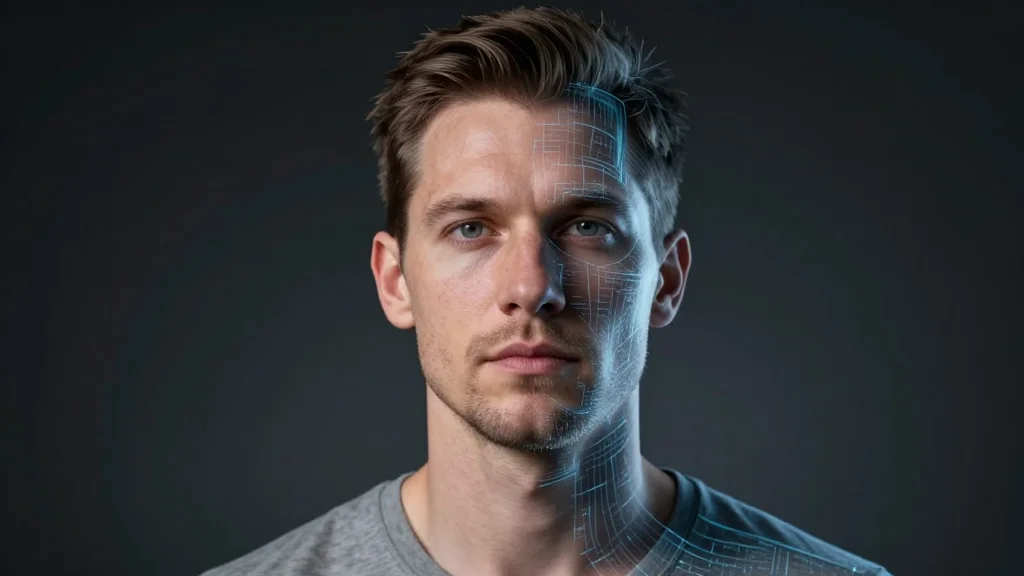
She Beat 261 Applicants for the Job. She Wasn't Real
Companies Mentioned
Why It Matters
Synthetic‑identity attacks threaten hiring integrity, enabling fraudsters to steal salaries, access corporate systems, and damage brand reputation, especially as remote hiring becomes standard.
Key Takeaways
- •Deepfake persona secured marketing role after beating 261 applicants
- •Creation used $50 voice tool and free face‑swap site
- •Real‑time AI assistance supplied interview answers during video call
- •Experts urge in‑person verification to counter synthetic identity fraud
Pulse Analysis
The experiment conducted by Jake Moore, a cybersecurity advisor at ESET, demonstrates how inexpensive AI tools can fabricate a fully functional professional identity. Within hours he used ChatGPT to generate a résumé, a free face‑swapping service, and a $50 voice‑modulation app to create 'Jackie Morris,' an Asian‑female marketing candidate. After posting a LinkedIn profile, a passport image and an Instagram feed, Moore entered a hiring pipeline that included an AI‑driven screening chatbot. He passed every stage and received a job offer for a £30,000 (≈ $38,000) fixed‑term role.
Moore’s success exposes a glaring gap in remote hiring security. A fraudster could sustain a synthetic identity for weeks, draw a salary, and gain access to corporate devices, creating a vector for data exfiltration or ransomware attacks. The experiment also shows that AI‑assisted interview bots can be fooled when the candidate runs parallel software that supplies bullet‑point answers in real time. As organizations increasingly rely on virtual recruitment, the risk of deepfake‑enabled impersonation threatens both financial loss and brand reputation.
To defend against synthetic‑identity attacks, HR teams must move beyond purely digital vetting. In‑person or verified video meetings, combined with third‑party identity services that confirm passports and biometric data, raise the cost of deception enough to deter most attackers. Companies should also train recruiters to spot inconsistencies in language patterns and visual cues, and deploy deep‑learning detectors that are regularly updated to keep pace with evolving generative tools. While technology alone cannot close the gap, a layered verification process restores trust in remote hiring pipelines.
She beat 261 applicants for the job. She wasn't real
Comments
Want to join the conversation?
Loading comments...