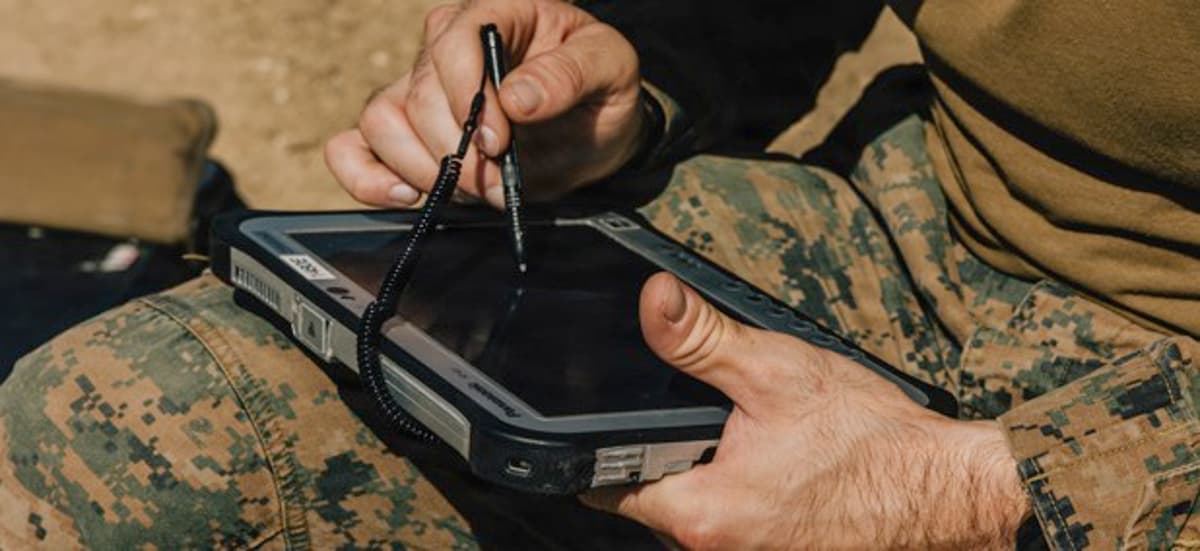
SOCOM Adding AI, Autonomy ‘at Every Level,’ Commander Says
Why It Matters
Accelerated AI adoption gives SOCOM a decisive asymmetric edge and creates a lucrative market for defense innovators, while shaping procurement priorities across the DoD.
Key Takeaways
- •SOCOM integrates AI for sensing, surveillance, and precision strike
- •New industry request targets maritime autonomy, command‑and‑control, and scalable effects
- •Navy’s $6 billion MUSV program contrasts SOCOM’s flexible, rapid‑acquisition approach
- •Small AI defense startups see soaring valuations, fueling rapid capability growth
- •Partnerships with Ukraine provide real‑world data and boost allied AI development
Pulse Analysis
The testimony of Admiral Frank “Mitch” Bradley before the Senate Armed Services Committee makes clear that artificial intelligence is no longer a peripheral experiment for U.S. Special Operations Command (SOCOM) – it is a core enabler across the force. Bradley described AI as essential for battlefield sensing, continuous surveillance of adversary movements, and the ability to project lethal effects when required. By embedding machine‑learning‑driven analytics into platforms ranging from tiny drones to command‑and‑control hubs, SOCOM can process massive data streams in real time, giving operators a decisive edge in asymmetric conflicts such as the war in Ukraine.
That strategic shift is reflected in SOCOM’s recent broad solicitation to industry, which asks for maritime autonomy, human‑performance augmentation, and “scalable effects” like directed‑energy and cyber‑enabled weapons. The request is deliberately flexible, allowing rapid prototyping and fielding, a stark contrast to the Navy’s $6 billion program to acquire 70 medium unmanned surface vessels—a large‑scale, slower procurement model. Meanwhile, venture‑backed AI defense startups such as Anduril, Shield AI, and the Ukrainian‑born Swarmer have seen valuations double in months, underscoring how nimble firms can deliver high‑impact capability at a fraction of traditional costs.
The ripple effect reaches the broader defense industrial base and allied partners. SOCOM’s emphasis on AI not only strengthens U.S. operational readiness but also creates a market pipeline for contractors eager to supply autonomous sensors, analytics suites, and precision‑engagement tools. Partnerships with Ukraine provide a live testing ground, delivering combat‑tested data that accelerates algorithm refinement and informs future acquisition decisions. As the Pentagon leans toward faster, more modular solutions, firms that can align with SOCOM’s agile procurement cadence stand to capture a growing share of defense spending, reshaping the competitive landscape for next‑generation warfare.
SOCOM adding AI, autonomy ‘at every level,’ commander says
Comments
Want to join the conversation?
Loading comments...