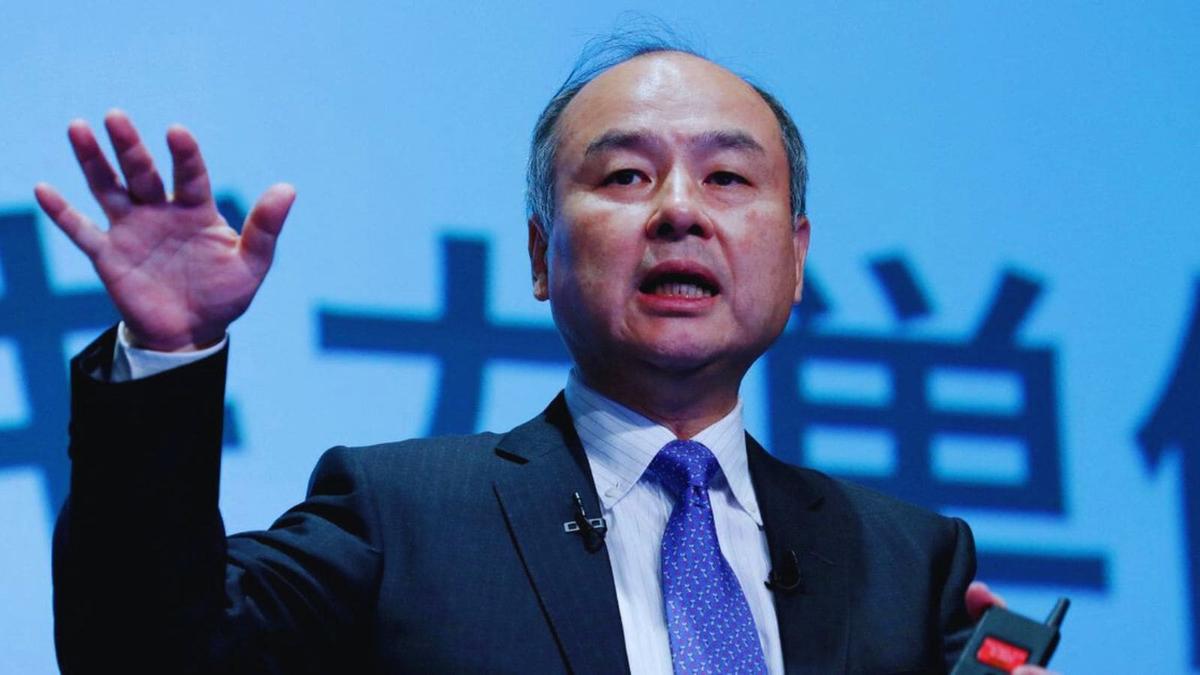
Softbank’s Son Says He ‘Cried’ While Selling Nvidia Stake to Fund OpenAI Bet
•December 7, 2025
0
Companies Mentioned


Why It Matters
The transaction fuels SoftBank’s aggressive bet on generative AI, positioning it as a primary capital source for OpenAI while reshaping its exposure to semiconductor risk. It signals to the market that deep‑pocketed investors are willing to reallocate billions toward AI infrastructure rather than traditional chip holdings.
Key Takeaways
- •SoftBank sold $5.8B Nvidia stake
- •Proceeds fund $30B OpenAI commitment
- •Son emotional about sale, cried
- •Nvidia shares dropped ~3% after news
- •AI hub project Stargate targets $1T Arizona
Pulse Analysis
SoftBank’s full divestiture from Nvidia marks a rare, high‑profile pivot from a proven AI‑chip champion to a broader AI ecosystem play. By liquidating a $5.8 billion position at $181.58 per share, the group not only secured liquidity but also sent a clear market signal that capital is flowing toward end‑to‑end AI solutions rather than component manufacturers. The modest 3 % dip in Nvidia’s stock reflects investor acceptance of the strategic trade‑off, especially given SoftBank’s history of missing out on Nvidia’s meteoric rise after its 2019 sale.
The freed capital is earmarked for a $30 billion pledge to OpenAI, reinforcing SoftBank’s role as a cornerstone backer of the ChatGPT creator. This infusion will likely accelerate OpenAI’s roadmap, from model scaling to commercial product rollouts, and could grant SoftBank preferential access to next‑generation AI services. Coupled with the "Stargate" initiative—a proposed $1 trillion AI manufacturing hub in Arizona—the investment underscores a shift from pure software bets to tangible AI‑hardware ecosystems, positioning SoftBank at the intersection of cloud, chips, and data centers.
Industry observers have debated an AI bubble, yet Son dismissed such concerns, forecasting that AI could contribute at least 10 % of global GDP. If SoftBank’s capital allocation proves successful, it may validate the view that deep‑tech infrastructure, rather than speculative equity, will drive sustainable growth. The move also pressures rivals to reassess portfolio balances, potentially sparking a wave of strategic exits from high‑valuation chip stocks in favor of direct AI platform investments. SoftBank’s gamble, emotionally charged as it was, could set a new benchmark for how conglomerates fund the next wave of artificial intelligence.
Softbank’s Son says he ‘cried’ while selling Nvidia stake to fund OpenAI bet
0
Comments
Want to join the conversation?
Loading comments...