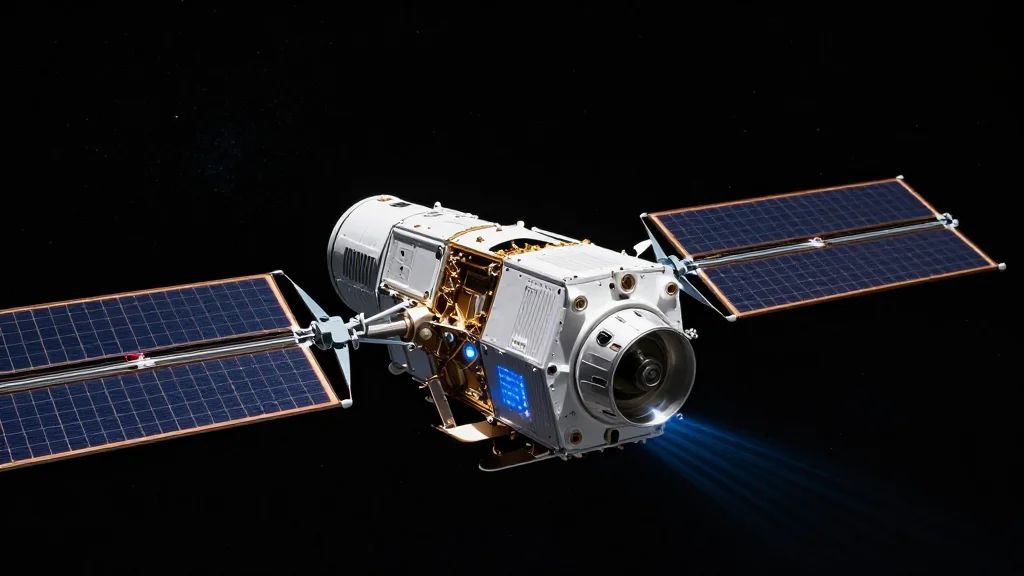
Space Data-Center News: Roundup of Extraterrestrial AI Endeavors
Companies Mentioned

Why It Matters
These moves signal a shift from experimental satellite compute to market‑ready services, opening new procurement channels for enterprises seeking ultra‑low‑latency or resilient processing. The emerging ecosystem could reshape cloud strategies and create a parallel space‑based infrastructure market.
Key Takeaways
- •Sophia Space partners with Kepler’s 10‑satellite compute cluster
- •Deloitte adds two cyber‑defense satellites, total three in orbit
- •Orbital targets AI inference with Nvidia Space‑1 Vera Rubin GPUs 2027
- •Lonestar launches StarVault, first commercial space data‑storage service
- •Atomic‑6 opens ODC.space marketplace, sovereign rack $3.5 M/month
Pulse Analysis
The orbital compute race is moving beyond proof‑of‑concepts toward monetizable services. Startups like Sophia Space and Lonestar are leveraging existing satellite constellations to offer edge‑processing and secure storage that can be accessed directly from space, reducing latency for time‑critical applications such as financial trading or autonomous vehicle coordination. By integrating Nvidia’s next‑generation Vera Rubin GPUs, these providers are positioning their platforms for AI inference workloads that demand high throughput but can tolerate the distributed nature of low‑Earth‑orbit assets.
Security is becoming a central theme as more compute resources orbit the planet. Deloitte’s expansion of its Silent Shield intrusion‑detection system across three satellites illustrates the growing need for on‑orbit cyber‑defense, especially as enterprises consider renting or buying orbital rack space. The launch of Atomic‑6’s ODC.space marketplace further lowers the barrier to entry, offering a colo‑style pricing model that aligns with traditional data‑center procurement cycles while promising delivery timelines of two to three years—significantly faster than many terrestrial build‑outs.
Investors and enterprise buyers should watch how these initiatives converge into a nascent space‑cloud ecosystem. Nvidia’s commitment to space‑grade AI chips, combined with venture‑backed ventures like Orbital and a16z‑supported projects, suggests a pipeline of hardware and software that could eventually rival terrestrial edge‑computing clusters. As demand from governments, financial institutions, and critical‑infrastructure operators accelerates, the sector may see a rapid expansion of satellite‑based compute capacity, creating new revenue streams and competitive pressures for traditional cloud providers.
Space data-center news: Roundup of extraterrestrial AI endeavors
Comments
Want to join the conversation?
Loading comments...