Companies Mentioned
Why It Matters
Space‑based AI infrastructure could decouple the industry from escalating energy and cooling costs, preserving margins and enabling continued model scaling. Investors see a new, trillion‑dollar‑adjacent revenue stream as aerospace and semiconductor firms converge.
Key Takeaways
- •AI data centers consume rising share of regional electricity grids
- •Launch costs to low Earth orbit fell >90% thanks to reusables
- •Rocket Lab's Neutron rocket enables heavy satellite constellations
- •NVIDIA develops radiation‑hardened GPUs for space‑based compute
- •Orbital compute offers a solution to terrestrial power and cooling limits
Pulse Analysis
The AI boom has turned data centers into power‑hungry behemoths, with many regional grids reporting double‑digit percentage spikes in electricity demand. Cooling systems compound the problem, drawing scarce water resources and inflating operational expenses by roughly 15% year‑over‑year. As AI models grow in size and frequency, the traditional approach of building ever‑larger ground facilities is hitting a hard wall of physical and regulatory constraints, prompting executives to explore off‑planet alternatives.
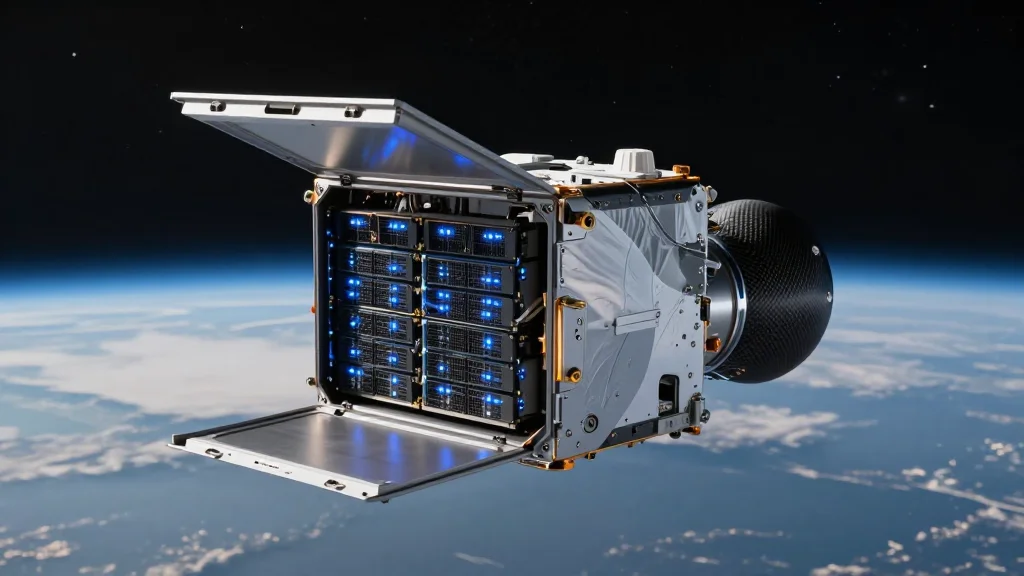
Space is emerging as a practical answer, not a sci‑fi fantasy. Reusable launch vehicles have slashed the price of sending a kilogram to orbit from tens of thousands of dollars to under $2,000, a reduction of more than 90% over the past decade. Concurrently, radiation‑hardened processors and high‑throughput laser inter‑satellite links are maturing, allowing satellites to host powerful GPUs and form a low‑latency, distributed cloud. Rocket Lab’s vertically integrated model—building both launch vehicles and satellite buses—paired with NVIDIA’s push into space‑grade GPU technology, creates a vertically aligned supply chain that can scale rapidly to meet AI’s compute appetite.
For investors, the orbital compute narrative signals a structural shift. Revenue growth in aerospace firms’ space‑systems divisions and increased R&D spend on space‑qualified chips are early indicators of market traction. If the orbital infrastructure can deliver comparable latency and reliability to terrestrial clouds, it could unlock a new revenue frontier worth trillions, reshaping the competitive landscape for both cloud providers and semiconductor leaders.
Space Race 2.0: AI's Trillion-Dollar Escape Plan
Comments
Want to join the conversation?
Loading comments...