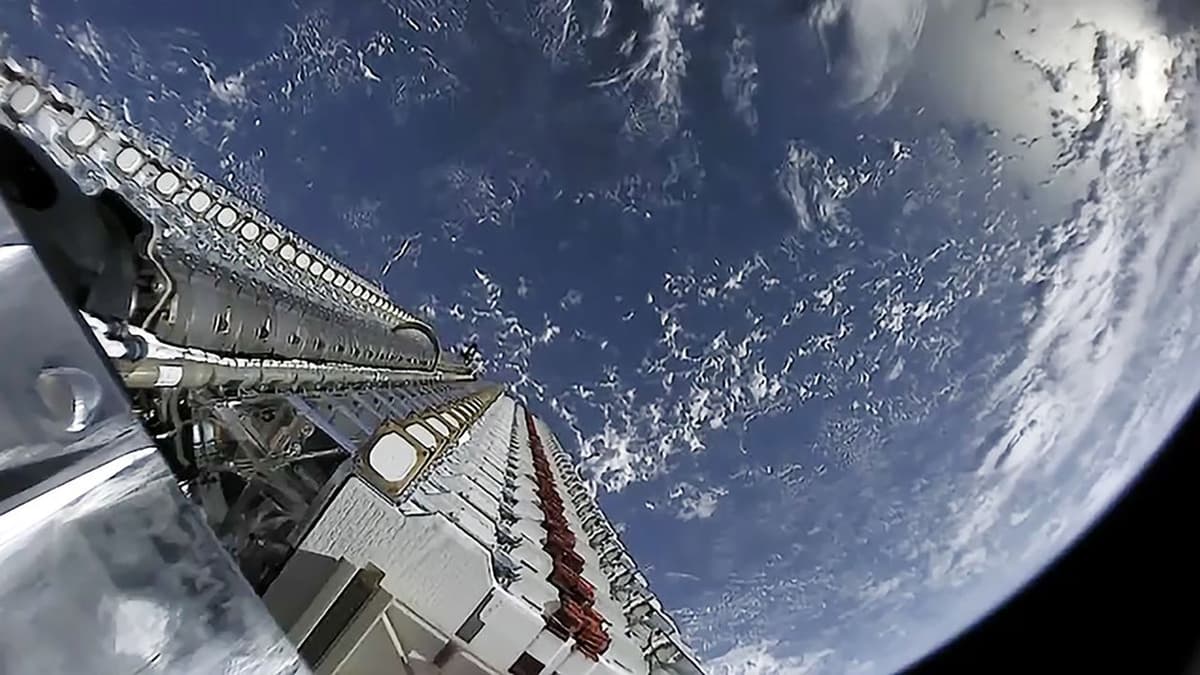
SpaceX's Theorized Data Centers in Space Face 'Significant Technical Complexity and Unproven Technologies,' And the 'Unpredictable Environment of Space' Means They May Not Be Commercially Viable

Why It Matters
If SpaceX cannot overcome the engineering and cost barriers, investors may see a high‑profile AI‑in‑space venture fail, reshaping expectations for commercial space infrastructure. The filing signals that the market’s hype may outpace technical reality, affecting valuation and partnership decisions.
Key Takeaways
- •Orbital AI data centers face radiation, temperature, and repair challenges.
- •Starship delays could cripple the economics of space‑based compute.
- •SpaceX’s S‑1 flags unproven tech may prevent commercial viability.
- •Ground data centers remain cheaper and easier to upgrade.
- •Investors must weigh legal risk disclosed in pre‑IPO filing.
Pulse Analysis
Elon Musk has repeatedly touted space‑based AI as a "no‑brainer" that could dramatically lower compute costs, positioning SpaceX at the intersection of satellite launch services and high‑performance computing. The allure stems from the theoretical advantage of cooling hardware in the vacuum of space and tapping into abundant solar power, promising a new frontier for AI workloads. Yet, the commercial narrative must contend with the reality that no company has ever operated a full‑scale data center beyond Earth’s atmosphere, making the proposition both novel and speculative.
Technical hurdles dominate the conversation. Radiation in low Earth orbit can corrupt memory and degrade processors, demanding radiation‑hardened components that are far more expensive than standard server hardware. Temperature fluctuations of hundreds of degrees between sunlight and shadow impose severe thermal‑management challenges, while the impossibility of on‑site repairs forces designers to guarantee flawless performance over the entire mission lifespan. Moreover, SpaceX’s reliance on the Starship launch system introduces schedule risk; any delay or failure in achieving rapid, reusable launch cadence would erode the cost advantage that underpins the business case.
From an investment perspective, the S‑1 filing serves as a legal safeguard but also a warning sign. The disclosed uncertainties could depress valuation expectations and deter capital until tangible prototypes demonstrate reliability and cost parity with terrestrial data centers. Meanwhile, Earth‑based providers continue to benefit from economies of scale, advancing cooling technologies, and incremental cost reductions. Until SpaceX proves that orbital compute can match or exceed these benchmarks, the market is likely to treat space‑based AI as a high‑risk, long‑term bet rather than an imminent revenue driver.
SpaceX's theorized data centers in space face 'significant technical complexity and unproven technologies,' and the 'unpredictable environment of space' means they may not be commercially viable
Comments
Want to join the conversation?
Loading comments...