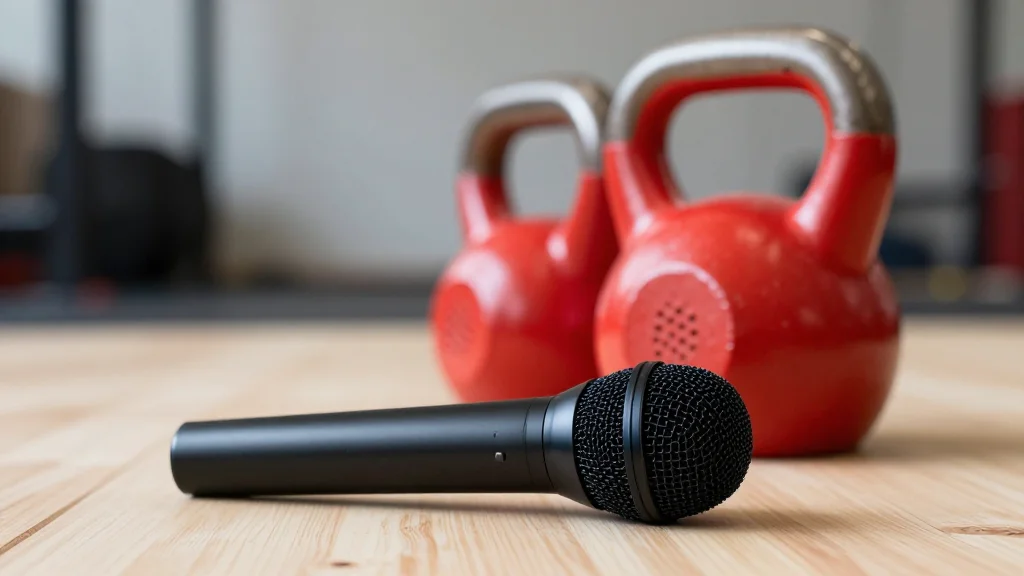
Speech Analysis for Assessing Physical Competence Under the Concept of Physical Literacy (PhD Academy Award)
Why It Matters
By turning everyday speech into a proxy for physical performance, the study opens a scalable path for remote health monitoring and broader physical‑literacy programs, reducing reliance on expensive equipment.
Key Takeaways
- •Speech features predict exercise intensity with machine‑learning models
- •Non‑invasive method works in dynamic, real‑world settings
- •Offers cost‑effective alternative to heart‑rate monitors
- •Enables remote fitness assessment in resource‑limited environments
- •Supports broader physical literacy initiatives through accessible technology
Pulse Analysis
Physical literacy has become a cornerstone of public health strategies, emphasizing not just the ability to move but also the confidence and motivation to stay active. Recent interdisciplinary research bridges biomechanics and acoustics, revealing that the human voice subtly reflects physiological strain during exercise. By capturing these vocal cues, scientists can infer exertion levels without attaching sensors, expanding assessment possibilities beyond gyms and labs.
The thesis leverages advanced machine‑learning pipelines, training convolutional and recurrent neural networks on thousands of speech samples recorded during graded exercise tests. Feature extraction focuses on spectral shifts, pitch variability, and temporal dynamics that change as oxygen demand rises. Validation across diverse participant groups shows prediction errors comparable to standard heart‑rate monitors, while the approach remains robust in noisy, outdoor environments. Such technical rigor positions speech analysis as a viable component of next‑generation wearable platforms and telehealth applications.
From a market perspective, the ability to assess fitness through a smartphone microphone could disrupt traditional wearables, lowering entry barriers for consumers and clinicians alike. Remote coaching programs, corporate wellness initiatives, and low‑resource health systems stand to benefit from a scalable, low‑cost solution. Challenges remain, including ensuring data privacy and calibrating models across languages and accents. Nonetheless, the research signals a shift toward more inclusive, accessible health monitoring, aligning with broader trends in digital therapeutics and personalized fitness.
Speech analysis for assessing physical competence under the concept of physical literacy (PhD Academy Award)
Comments
Want to join the conversation?
Loading comments...