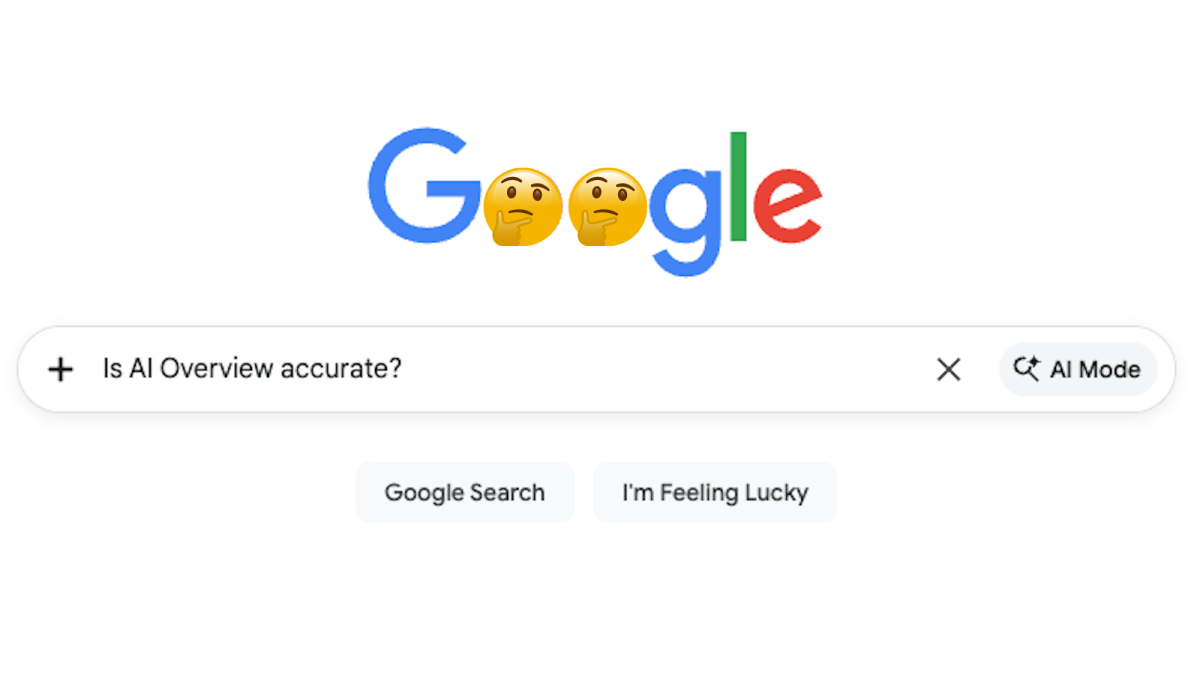
Study: Google’s AI Overviews Show Millions of Wrong Answers Every Hour
Companies Mentioned
Why It Matters
Even a 10% error rate at massive scale can mislead millions of users, erode confidence in AI‑driven search, and draw regulatory scrutiny over Google’s responsibility for content accuracy.
Key Takeaways
- •AI Overview correct 90% of the time, per Oumi study
- •Over five trillion 2026 searches generate tens of millions wrong answers hourly
- •Facebook and Reddit cited more often in inaccurate summaries
- •Bad actors could game the system with fabricated, high‑traffic content
- •Google cites safety protections but urges users to double‑check answers
Pulse Analysis
Google’s AI Overview is part of a broader push to embed generative AI directly into search results, promising instant, citation‑backed answers. While a 90% accuracy rate sounds reassuring, the sheer volume of queries—projected to exceed five trillion in 2026—means that even a modest error margin translates into tens of millions of flawed responses every hour. This scale amplifies the risk of misinformation spreading silently, especially when users treat the AI‑generated snippet as the definitive answer without consulting the underlying sources.
The study highlights a structural weakness: the algorithm’s source selection favors high‑traffic platforms like Facebook and Reddit, which are more prone to unverified or user‑generated content. Inaccurate answers cite these sites at a higher rate, suggesting that the ranking signals used for AI summarization may not sufficiently filter for editorial rigor. Moreover, the system is vulnerable to deliberate manipulation; a coordinated effort to flood a niche blog with traffic could coax the AI Overview into citing and propagating false facts, effectively weaponizing the feature against factual integrity.
For businesses and regulators, the implications are clear. Persistent errors can erode user trust, affect advertising revenue, and raise antitrust concerns about the monopoly of AI‑enhanced search. Companies should implement layered verification—cross‑checking AI snippets against primary sources—and consider transparent disclosure of confidence scores. Meanwhile, policymakers may look to update guidelines on AI‑generated content to ensure that platforms like Google uphold higher standards of accuracy and accountability.
Study: Google’s AI Overviews show millions of wrong answers every hour
Comments
Want to join the conversation?
Loading comments...