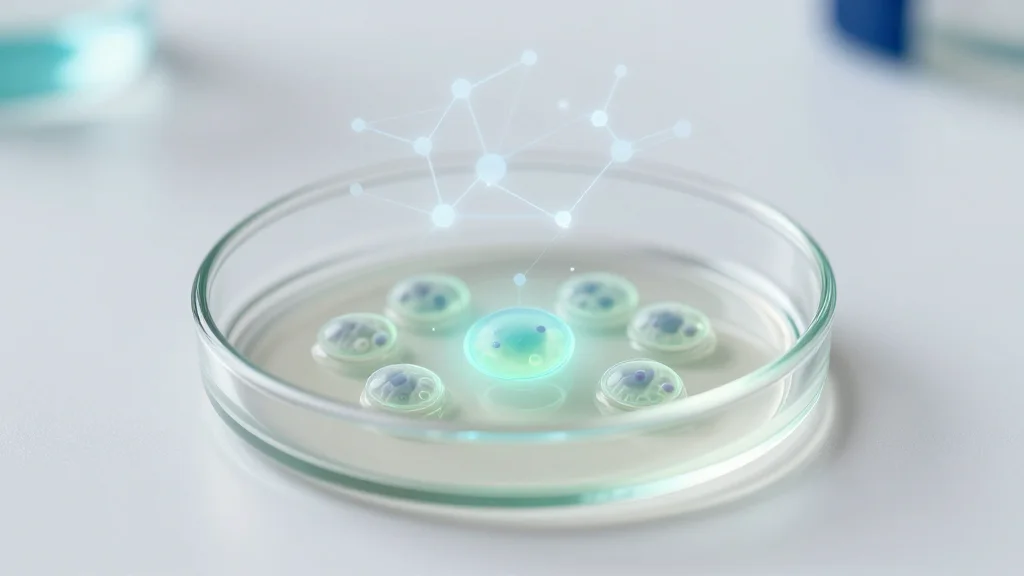
Success Stories: AI Advances Disease Knowledge and Treatment
Why It Matters
The federal grant underscores a strategic push toward AI‑driven biotech, promising faster drug pipelines and improved patient outcomes. It also signals growing confidence in interdisciplinary, data‑intensive research models.
Key Takeaways
- •NIH grants $2.1M to Virginia Tech for AI protein mapping
- •AI models will visualize proteins and RNA in three dimensions
- •Faster structural insights can shorten drug discovery timelines
- •Interdisciplinary AI‑life science collaborations expand research scalability
- •“AI for good” initiatives expected to grow across health sectors
Pulse Analysis
The convergence of artificial intelligence and molecular biology is entering a new phase, driven by substantial public funding and academic ambition. The recent NIH award to Virginia Tech reflects a broader governmental trend to invest in AI platforms that can decode the three‑dimensional architecture of proteins and RNA. By converting raw sequencing data into detailed structural models, these systems enable scientists to pinpoint disease‑related conformations that were previously hidden, accelerating hypothesis generation and experimental validation.
From a technical perspective, deep‑learning frameworks such as graph neural networks and equivariant transformers are now capable of predicting atomic‑level arrangements with unprecedented accuracy. When integrated with high‑throughput cryo‑EM and X‑ray crystallography pipelines, AI reduces the time required to move from raw images to actionable insights. This speed boost translates directly into shorter drug discovery cycles, allowing pharmaceutical firms to prioritize promising targets earlier and allocate resources more efficiently. Moreover, open‑source AI toolkits foster reproducibility, inviting smaller biotech firms and academic labs to compete on equal footing.
Looking ahead, the "AI for good" narrative is likely to attract further cross‑sector collaboration, linking computer scientists, clinicians, and policy makers. Continued investment will be essential to address challenges such as model interpretability, data privacy, and equitable access to AI‑enhanced therapies. As the ecosystem matures, we can expect a cascade of breakthroughs not only in precision medicine but also in environmental health, where AI‑driven models can predict pathogen spread and assess ecosystem resilience. The momentum generated by this NIH grant may well serve as a catalyst for a new era of data‑centric, collaborative science.
Success Stories: AI Advances Disease Knowledge and Treatment
Comments
Want to join the conversation?
Loading comments...