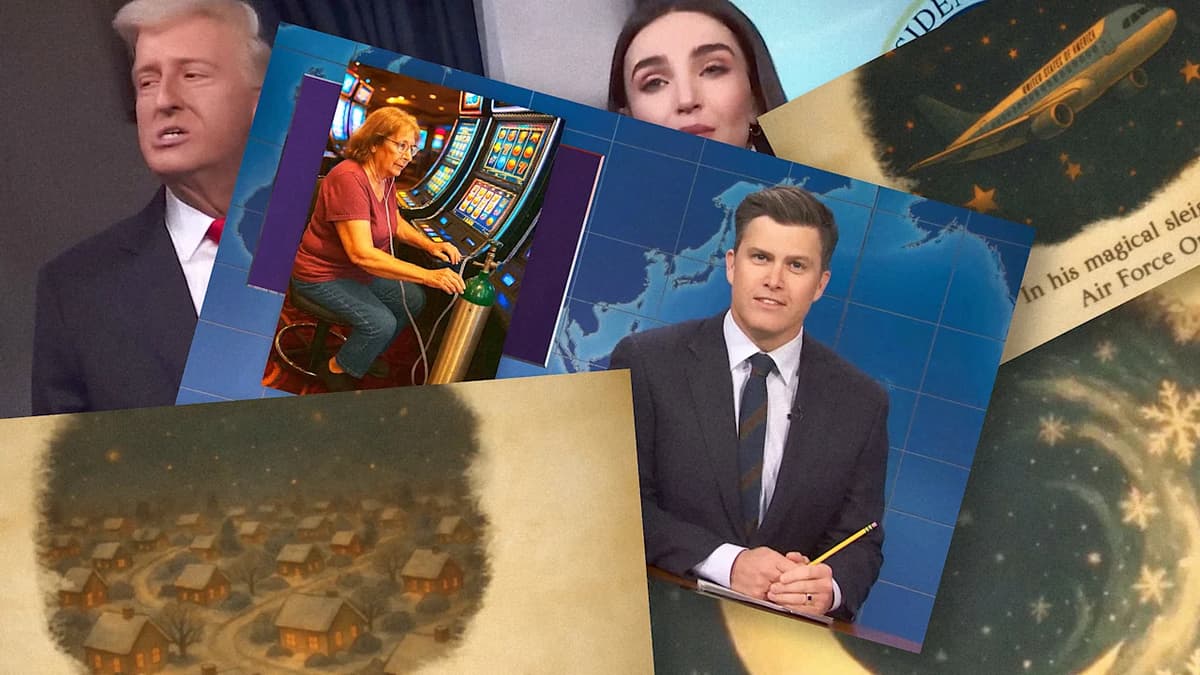
Surprise, Surprise: People Don’t Want AI Slop on ‘SNL’
•December 15, 2025
0
Companies Mentioned


Why It Matters
The episode underscores growing audience intolerance for low‑quality AI media, pressuring entertainment producers to adopt stricter AI governance and protect creative labor.
Key Takeaways
- •Fans label SNL images as “AI slop.”
- •Backlash mirrors AI fatigue across advertising industry.
- •NBC has not confirmed AI involvement.
- •SNL VFX union secured AI usage protections.
- •AI criticism impacts brand reputations and content strategies.
Pulse Analysis
The SNL incident illustrates a tipping point in public sentiment toward AI‑generated content. While artificial intelligence promises speed and novelty, audiences are increasingly discerning, flagging anything that feels cheap or out of place. The rapid spread of criticism on platforms like Reddit and Bluesky shows that viewers will not tolerate subpar AI visuals, especially on a show renowned for handcrafted sets and costumes. This backlash is part of a larger cultural fatigue, evident in recent pullbacks of AI ads by major brands, signaling that novelty alone no longer guarantees acceptance.
For the entertainment industry, the controversy raises operational and labor considerations. SNL’s visual‑effects team, newly unionized, negotiated contract language that explicitly limits AI use, reflecting a broader trend of creative workers seeking safeguards against automation that could erode craftsmanship. Networks and studios must now balance the efficiency gains of AI tools with the need to preserve artistic integrity and protect jobs. The lack of official confirmation from NBC suggests a cautious approach, as any admission could invite further scrutiny and potentially trigger regulatory interest.
Beyond television, the episode sends a warning to marketers and advertisers. Brands that experiment with AI‑generated media risk reputational damage if the output appears low‑quality or inauthentic. The swift negative response to McDonald’s Netherlands and Coca‑Cola’s holiday ad demonstrates that consumers are willing to call out “AI slop,” influencing purchasing decisions and brand equity. Companies will likely invest more in hybrid workflows—combining AI assistance with human oversight—to meet audience expectations while still leveraging technology’s efficiencies. As AI continues to evolve, the industry’s challenge will be to harness it responsibly, ensuring that the final product meets the high standards audiences have come to expect.
Surprise, surprise: People don’t want AI slop on ‘SNL’
0
Comments
Want to join the conversation?
Loading comments...