Survey: AI Data Center Boom Runs Into Power Shortages and Local Resistance
Companies Mentioned
Why It Matters
Power shortages and community resistance could throttle AI compute growth, raise capital costs, and reshape site‑selection strategies across the industry.
Key Takeaways
- •84% of operators cite power availability as top site factor
- •61% would add onsite generation if utilities lag
- •By 2030, up to 38% of data centers may rely onsite
- •Texas data center electricity demand could exceed 40 GW by 2028
- •18 state bills and 86 local moratoriums target data center projects
Pulse Analysis
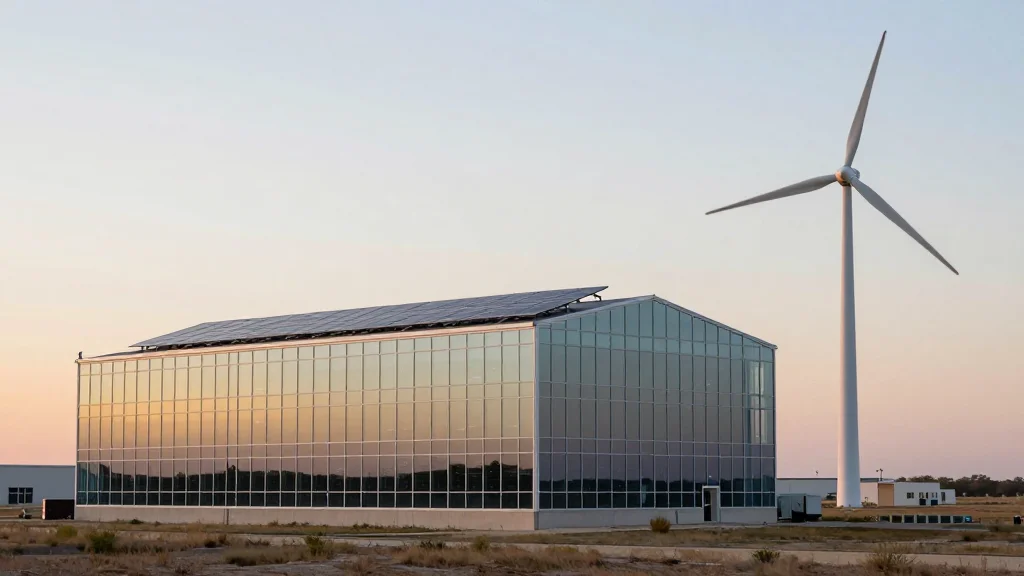
The rapid expansion of AI‑focused data centers is now hitting a hard ceiling: electricity. Bloom Energy’s latest survey shows 84 % of operators rank power availability above all other site‑selection criteria, and 61 % say they will install onsite generators if utilities cannot meet timelines. This shift toward self‑generation is accelerating faster than analysts expected—forecasts now put 27 % to 38 % of facilities relying on onsite power by 2030, with a full 27 % operating independently of the grid. The immediate effect is higher capital expenditures and a scramble for locations with robust transmission capacity.
At the same time, local opposition is rising. As of May 2026, lawmakers have introduced 18 state‑level bills and 86 municipal moratorium proposals aimed at curbing data‑center growth, citing electricity prices, water use and grid reliability. Texas exemplifies the pressure point: projected AI‑related electricity demand could top 40 GW by 2028, straining an already congested grid. These political headwinds are forcing developers to weigh community impact alongside cost, prompting more rigorous environmental reviews and, in some cases, the pursuit of renewable or carbon‑capture solutions to appease regulators.
A third challenge lies in the timing gap between data‑center construction and next‑generation AI hardware. Chip makers expect high‑density, rack‑level direct‑current power architectures to become mainstream by 2028, yet developers anticipate deploying those systems only around 2029. That lag could force facilities to operate with sub‑optimal power configurations, inflating energy waste and limiting performance gains from emerging AI accelerators. Operators who align build schedules with hardware roadmaps—or invest early in modular DC infrastructure—will gain a competitive edge as AI workloads continue to shift toward inference‑heavy, latency‑critical applications.
Survey: AI Data Center Boom Runs Into Power Shortages and Local Resistance
Comments
Want to join the conversation?
Loading comments...