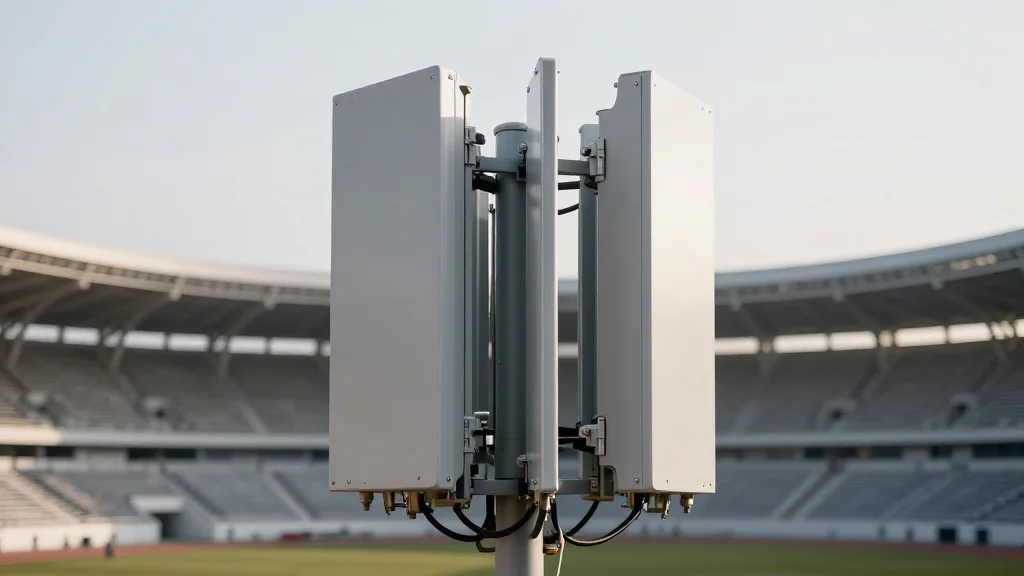
T-Mobile US Turns to AI to Tackle Event Congestion
Companies Mentioned
Why It Matters
By proactively managing congestion, T‑Mobile can preserve service quality for millions of fans, strengthening its competitive edge in the crowded 5G market. The capability also showcases how AI can transform network operations for large‑scale events.
Key Takeaways
- •Dynamic CX uses AI to pre‑emptively allocate 5G capacity
- •System scans public event data to prepare network before crowds arrive
- •Real‑time monitoring adjusts resources as demand shifts during events
- •Launch timed for FIFA World Cup across 11 U.S. host cities
Pulse Analysis
Artificial intelligence is reshaping telecom infrastructure, moving network management from reactive troubleshooting to predictive orchestration. Since the early 2010s, operators have relied on centralized self‑organising network (C‑SON) tools, but the infusion of machine‑learning algorithms in 2015 marked the first true AI‑for‑RAN implementations. T‑Mobile’s Dynamic CX builds on this lineage, leveraging its nationwide 5G‑Advanced, standalone architecture to anticipate traffic spikes before they materialise, a capability that aligns with broader industry pushes toward automated, cloud‑native networks.
Dynamic CX operates in two distinct phases. Before a mass‑gathering event, the platform harvests publicly available schedules, ticket sales and social media chatter to forecast demand, then pre‑positions spectrum and edge resources accordingly. Once the crowd converges, the system shifts to continuous monitoring, ingesting real‑time usage metrics and adjusting power levels, beamforming patterns, and carrier allocations on the fly. This near‑real‑time feedback loop reduces latency, mitigates dropped calls, and sustains high‑definition video streams, delivering a smoother customer experience than traditional SON, which typically reacts only after congestion is detected.
The timing of the launch ahead of the FIFA World Cup underscores the strategic importance of AI‑driven network agility. With eleven U.S. host cities expected to draw millions of international visitors, the event serves as a high‑visibility proving ground for Dynamic CX. Success could accelerate adoption across other operators seeking to differentiate their 5G offerings, especially as stadiums, concerts and urban festivals become increasingly data‑intensive. Moreover, the technology signals a broader shift toward AI‑centric operational models that promise cost efficiencies, faster rollout of new services, and stronger resilience against both planned and unexpected traffic surges.
T-Mobile US turns to AI to tackle event congestion
Comments
Want to join the conversation?
Loading comments...