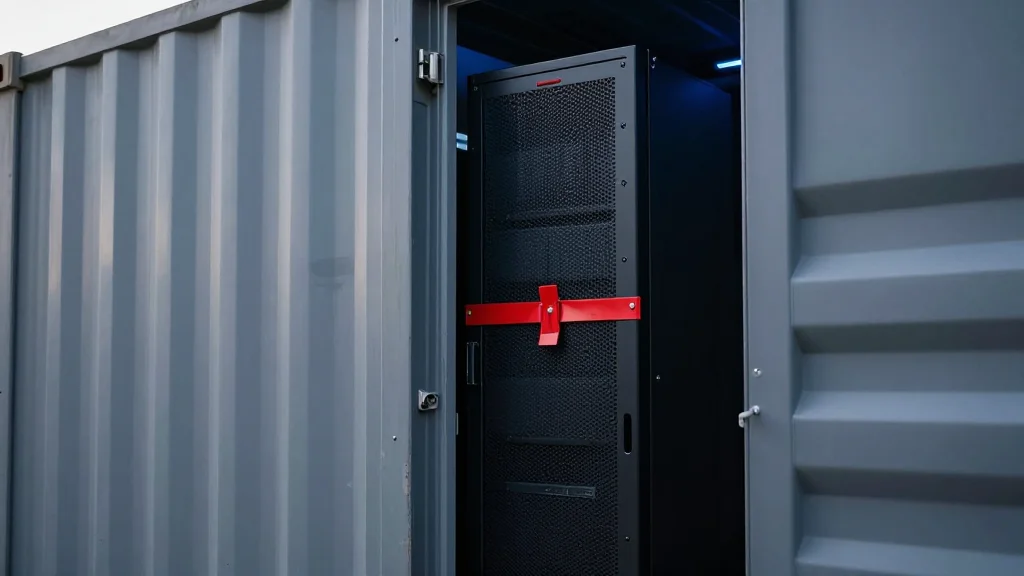
Taiwan Is Cracking Down on AI Chip Smuggling
Companies Mentioned
Why It Matters
The enforcement action signals Taiwan’s willingness to use domestic law to close export‑control gaps, reinforcing global efforts to limit China’s access to cutting‑edge AI infrastructure. It also raises compliance pressure on manufacturers and supply‑chain participants worldwide.
Key Takeaways
- •Taiwan detains three suspects for falsifying AI server export documents.
- •Servers use Nvidia GPUs in Super Micro chassis, US‑restricted since 2022.
- •Case shows Taiwan tightening enforcement of downstream AI hardware exports.
- •Reflects global push to police complete AI system supply chains.
- •May force manufacturers to improve compliance tracking and documentation.
Pulse Analysis
Taiwan’s semiconductor dominance has long made it a pivotal node in the global AI hardware supply chain, but its regulatory posture has lagged behind the United States’ aggressive export‑control regime. By targeting individuals who falsified destination declarations for Super Micro servers—systems that integrate Nvidia’s most powerful GPUs—the island is signaling a shift from passive oversight to active enforcement. This move aligns with President Lai Ching‑te’s broader strategy to leverage existing criminal statutes, such as forgery provisions, to address loopholes that allow restricted technology to slip through.
The crackdown arrives amid a wave of coordinated actions across jurisdictions, from U.S. prosecutions of multi‑country diversion schemes to Singapore’s recent arrests for misleading supplier disclosures. Together, these cases illustrate a growing consensus that controlling AI capabilities requires more than source‑level chip bans; it demands vigilant monitoring of complete systems as they traverse complex, multi‑nation logistics networks. For vendors like Super Micro and Nvidia, the heightened scrutiny translates into a need for tighter end‑user verification, robust documentation, and real‑time tracking to demonstrate compliance and avoid collateral legal exposure.
Looking ahead, the Taiwan episode could catalyze stricter export‑control frameworks in other tech hubs, prompting industry players to invest in compliance infrastructure and supply‑chain transparency tools. As governments tighten the net around advanced AI hardware, firms that proactively embed rigorous due‑diligence processes may gain a competitive edge, while those lagging risk sanctions, reputational damage, and disrupted market access. The evolving enforcement landscape thus reshapes risk calculations for investors, OEMs, and downstream AI service providers alike.
Taiwan is cracking down on AI chip smuggling
Comments
Want to join the conversation?
Loading comments...