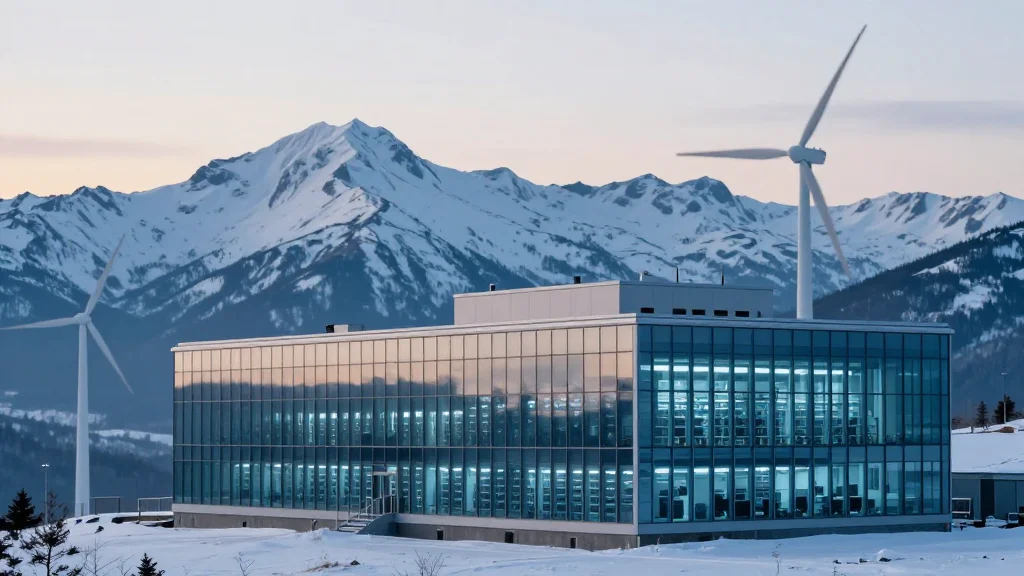
TELUS and Canada Launch $9 B Sovereign AI Cluster Across British Columbia

Companies Mentioned
Why It Matters
The TELUS‑Canada partnership marks the most ambitious sovereign AI compute effort in North America, directly addressing data‑sovereignty concerns that have grown as AI models become more data‑intensive. By keeping compute and data within Canadian borders, the initiative protects sensitive information, supports domestic AI research, and reduces reliance on foreign cloud providers. Economically, the $9 billion investment is expected to generate thousands of high‑skill jobs, stimulate the clean‑energy sector, and create a new export‑ready AI services market. Environmentally, the project's emphasis on 98% clean energy and heat‑recovery sets a benchmark for sustainable AI infrastructure. As AI workloads consume ever‑greater power, the Canadian model could influence global standards, encouraging other nations to pair compute expansion with aggressive decarbonization strategies.
Key Takeaways
- •Three new sovereign AI data‑centre facilities announced in British Columbia
- •Cluster will host >60,000 high‑performance GPUs and 150 MW of power by 2032
- •$9 billion economic injection projected from the build‑out
- •Facilities will run on 98% clean energy with liquid‑cooling and heat‑recovery
- •Waste heat to heat >150,000 homes in metro Vancouver
Pulse Analysis
Canada’s sovereign AI push arrives at a moment when governments worldwide are wrestling with the geopolitical implications of AI compute. By committing $9 billion to a domestically owned GPU farm, Canada sidesteps the data‑privacy pitfalls of relying on U.S. or Asian hyperscalers, a move that could become a template for other mid‑size economies seeking strategic autonomy. The partnership also leverages TELUS’s telecom backbone, giving the network a built‑in edge for low‑latency AI services—a competitive edge against cloud giants that must route traffic through public internet pathways.
Historically, sovereign compute projects have struggled with cost overruns and under‑utilization. TELUS’s modular, demand‑driven rollout, underscored by the sold‑out Rimouski factory, suggests a more disciplined approach that aligns capacity with market appetite. The emphasis on sustainability further differentiates the cluster; as AI models grow in size, energy consumption has become a public‑policy flashpoint. By delivering 98% clean power and repurposing waste heat, the Canadian model could pressure rivals to adopt similar green standards, potentially reshaping the economics of AI compute.
Looking ahead, the success of the British Columbia facilities will hinge on the ability to attract a critical mass of AI workloads—from federal research labs to private startups. If the cluster reaches full utilization, Canada could emerge as a hub for AI innovation that balances security, sustainability, and economic growth, challenging the dominance of U.S. cloud providers and reinforcing the country’s reputation as a leader in responsible AI development.
TELUS and Canada Launch $9 B Sovereign AI Cluster Across British Columbia
Comments
Want to join the conversation?
Loading comments...