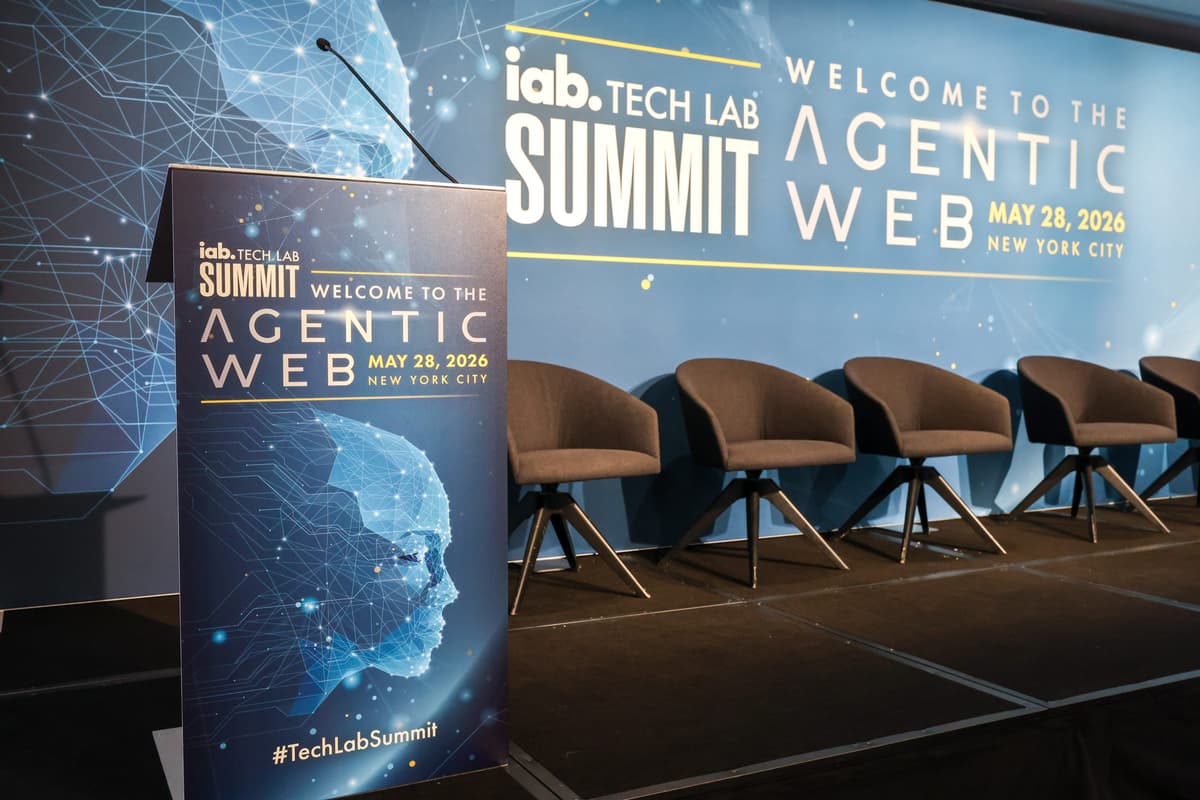
The Agentic Web Is Here and It Needs Standards Too
Why It Matters
Agentic AI will overhaul digital advertising efficiency and reshape revenue streams for publishers, making standards and data‑ownership frameworks essential for sustainable growth.
Key Takeaways
- •IAB Tech Lab unveiled AAMP framework enabling live agentic ad workflows.
- •Publishers face rising bot traffic; over 30,000 user agents blocked.
- •Agentic AI could reduce campaign setup time by 20‑30%.
- •Tim Berners‑Lee called for personal data pods to protect user control.
- •Emerging protocols like CoMP aim to monetize AI content consumption.
Pulse Analysis
The rise of the Agentic Web marks a fundamental shift in how the internet operates. While traditional web interactions rely on humans clicking links, AI agents now negotiate, purchase and deliver content on behalf of users. This machine‑to‑machine dynamic demands interoperable standards to ensure agents can communicate securely across platforms. IAB Tech Lab’s AAMP framework is a first step, providing a common language for agents to discover inventory, generate media plans and execute deals without manual intervention, accelerating the pace of digital commerce.
In advertising, the promise of agentic workflows is immediate. Agencies currently allocate 20‑30% of staff time to repetitive campaign setup; AI agents can automate these tasks, freeing talent for strategic creativity. By synthesizing fragmented data streams, agents deliver real‑time intelligence that informs bidding, targeting and measurement. Early pilots showed live agents configuring campaigns via natural language, a glimpse of an industry where human oversight focuses on high‑value decisions rather than rote configuration.
Publishers, however, confront a new economic reality. Bot traffic now accounts for a growing share of page views, consuming bandwidth and content without clear compensation. Companies like Fastly report blocking tens of thousands of automated user agents, while emerging protocols such as CoMP aim to create usage‑based commerce models that pay creators when AI systems consume their work. Coupled with Tim Berners‑Lee’s call for personal data pods, the sector is grappling with how to balance open AI innovation with user privacy and fair monetization. The next wave of standards will determine whether the Agentic Web expands revenue opportunities or deepens existing disparities.
The Agentic Web Is Here and It Needs Standards Too
Comments
Want to join the conversation?
Loading comments...