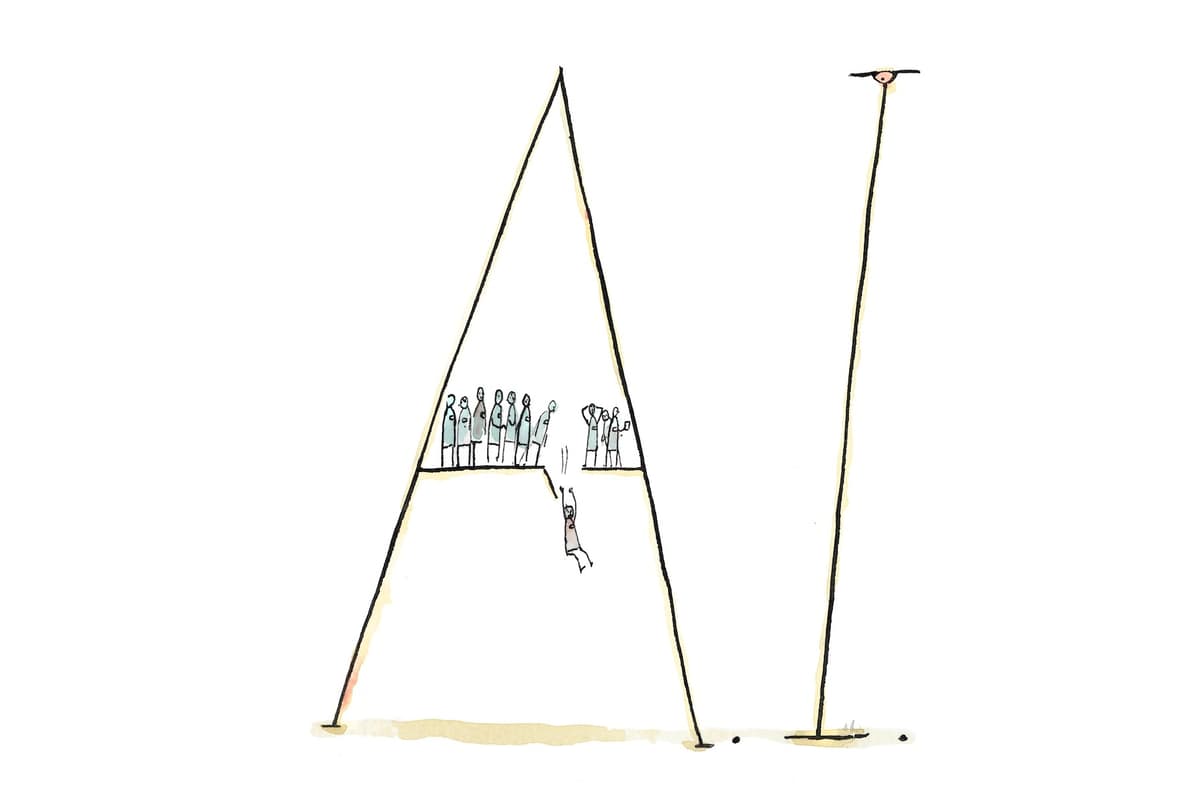
The AI Race Is Charged by the Fear of Being Left Behind
Why It Matters
The rush to adopt AI without a coherent policy risks misaligned investments, talent displacement, and loss of cultural autonomy, underscoring the need for a balanced national strategy.
Key Takeaways
- •300 participants gathered at Banff AI and Culture summit.
- •Cultural institutions use AI for budgeting, scheduling, permit filing.
- •Adoption driven by fear of being left behind, not necessity.
- •Federal focus on compute capacity, not cultural impact guidance.
- •Stakeholders worry about job losses, data sovereignty, cost burdens.
Pulse Analysis
The Banff AI and Culture summit highlighted how Canada’s creative sector is already embedding artificial intelligence into day‑to‑day workflows. From a production house that mapped film‑shoot logistics to an agency that auto‑generated municipal permits, AI is delivering measurable efficiency gains. These pilots illustrate the technology’s capacity to streamline traditionally labor‑intensive tasks, freeing staff to focus on higher‑value creative work. However, the rapid rollout also revealed a patchwork of tools, with many organizations adopting solutions out of competitive pressure rather than a clear strategic roadmap.
Underlying this enthusiasm is a pervasive anxiety that the sector will be eclipsed if it lags behind peers. Participants repeatedly cited a “fear of being left behind” as the primary driver, a sentiment amplified by provincial officials urging swift integration despite ambiguous benefits. This climate fuels concerns about job displacement, as AI promises to "10X" productivity while potentially rendering certain roles redundant. Moreover, the reliance on U.S.‑based cloud infrastructure raises questions about data sovereignty and the long‑term costs of outsourcing cultural heritage processing to foreign servers. Without coordinated guidance, institutions risk incurring hidden expenses and compromising the integrity of their digital assets.
Policymakers must shift the conversation from sheer compute capacity to a nuanced framework that balances innovation with cultural stewardship. A national AI strategy tailored to the arts could provide standards for ethical use, funding mechanisms for responsible experimentation, and safeguards for intellectual property. By aligning federal resources with sector‑specific needs, Canada can turn the current fear‑driven adoption into a sustainable advantage, ensuring that AI enhances, rather than erodes, the country’s rich cultural ecosystem.
The AI Race Is Charged by the Fear of Being Left Behind
Comments
Want to join the conversation?
Loading comments...