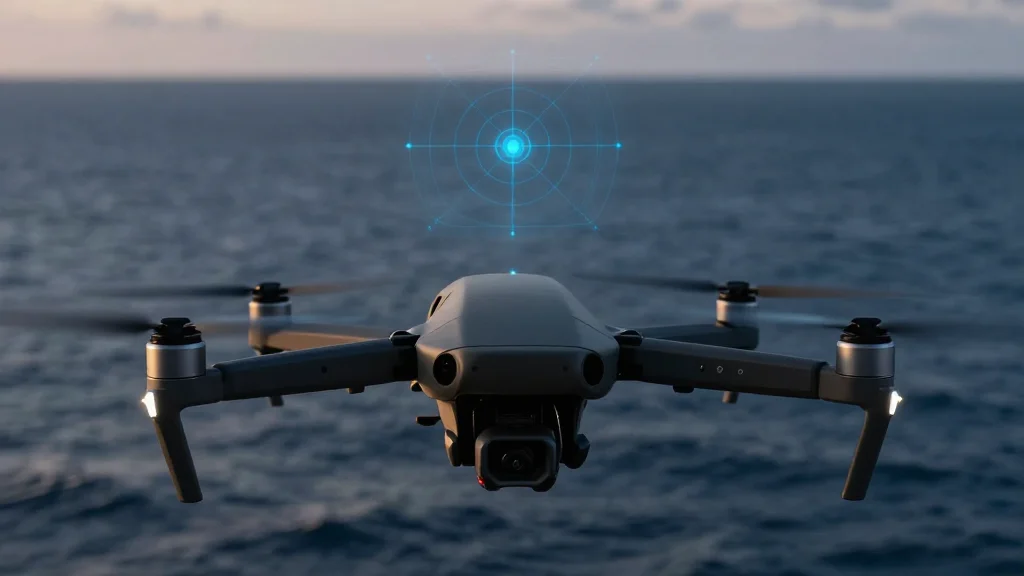
The AI that Transformed American Warfare
Why It Matters
Maven accelerates the kill chain and expands situational awareness across combat and non‑combat missions, giving the United States a decisive edge in rapid response and resource allocation. Its adoption signals broader integration of AI into national security strategy.
Key Takeaways
- •Maven AI spots Iranian missiles en route to Israel
- •System detects Yemeni rocket launchers and Caribbean drug vessels
- •Identified over 260 Ukraine targets in a single 2022 day
- •Provides commanders with attack recommendations, not just target data
- •Operates across border security, migration, and counter‑narcotics missions
Pulse Analysis
Artificial intelligence is reshaping the battlefield, and the MAVEN Smart System exemplifies the next generation of autonomous decision‑support tools. By fusing real‑time sensor feeds with deep‑learning algorithms, Maven can parse vast data streams, isolate high‑value threats, and generate actionable attack plans within seconds. This capability shortens the traditional kill chain, reducing the latency between detection and engagement—a critical advantage in high‑tempo conflicts where minutes can determine outcomes.
Beyond conventional warfare, Maven’s versatility extends to irregular and law‑enforcement domains. Its detection of Iranian missile launches, Yemeni rocket sites, and Caribbean drug trafficking vessels demonstrates a capacity to monitor diverse threat vectors across geographic theaters. The system’s role in identifying over 260 Ukrainian targets in a single day underscores its scalability and precision, while its deployment for border‑security and migration surveillance illustrates a blurring line between military and domestic security functions. Such cross‑domain utility amplifies the United States’ ability to allocate assets efficiently and respond to emerging crises.
The rise of AI‑enabled platforms like Maven raises strategic, ethical, and market considerations. Policymakers must grapple with accountability for machine‑generated recommendations, especially as autonomous systems assume greater operational authority. Meanwhile, defense contractors are likely to see heightened demand for AI integration services, spurring investment in data infrastructure and talent. As adversaries develop counter‑AI measures, the competitive edge offered by systems such as Maven will hinge on continual algorithmic refinement and robust governance frameworks.
The AI that transformed American warfare
Comments
Want to join the conversation?
Loading comments...