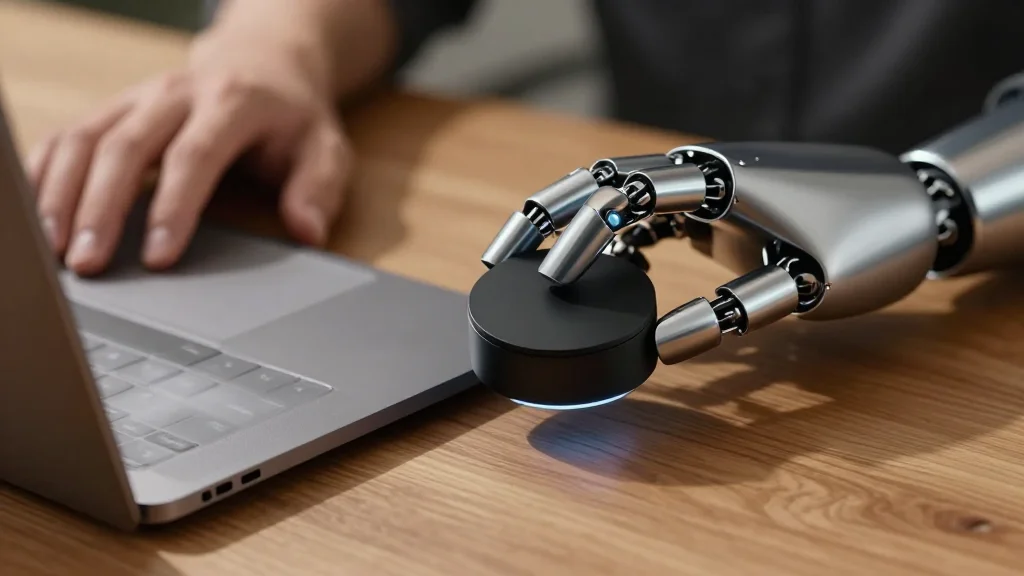
The AI Workplace Paradox: Higher Productivity, Higher Anxiety
Why It Matters
The findings highlight that AI’s immediate productivity boost comes with workforce morale risks and long‑term talent pipeline challenges, forcing enterprises to rethink hiring and role design.
Key Takeaways
- •One‑fifth of surveyed workers fear AI‑driven job displacement
- •High‑paid roles report the biggest productivity gains from AI tools
- •Early‑career employees show higher anxiety about AI replacing their jobs
- •AI adoption expands task scope, raising expectations rather than reducing workload
- •Leaders must redesign roles and hiring pipelines to sustain mid‑level talent
Pulse Analysis
Anthropic’s large‑scale survey provides a rare, real‑time snapshot of how employees experience AI at work, contrasting sharply with macro‑level forecasts from institutions like Goldman Sachs and the IMF that model future task automation. By measuring workers’ "visions and fears" directly, the study uncovers a nuanced paradox: while AI accelerates output—especially for high‑paid professionals—about 20% of respondents feel their roles are under threat, and early‑career staff exhibit the greatest unease. This tension underscores that productivity gains do not automatically translate into employee confidence, and that anxiety can surface even when tools are voluntarily adopted.
The productivity uplift reported by senior staff—48% noting new task capabilities and 40% citing faster work—coexists with a broader redistribution of effort. As AI handles routine coding, documentation, and analysis, employees are tasked with higher‑order responsibilities, raising quality expectations and expanding workloads. This shift mirrors the "redistribution of effort" concept, where automation does not eliminate work but reshapes it, often demanding more strategic thinking and cross‑functional coordination. Consequently, organizations may see an initial surge in output without a proportional reduction in labor costs, challenging traditional ROI calculations for AI investments.
For enterprise leaders, the survey signals an urgent need to redesign workforce structures. The automation of entry‑level tasks threatens the traditional pipeline that feeds mid‑level expertise, potentially creating talent gaps years down the line. Companies should therefore invest in intentional AI deployment strategies that emphasize capability extension rather than mere speed, align performance metrics with quality and sustainability, and proactively develop new career pathways. By coupling AI adoption with thoughtful role redesign and targeted upskilling, firms can harness productivity benefits while mitigating the anxiety that could erode employee engagement and long‑term talent health.
The AI workplace paradox: Higher productivity, higher anxiety
Comments
Want to join the conversation?
Loading comments...