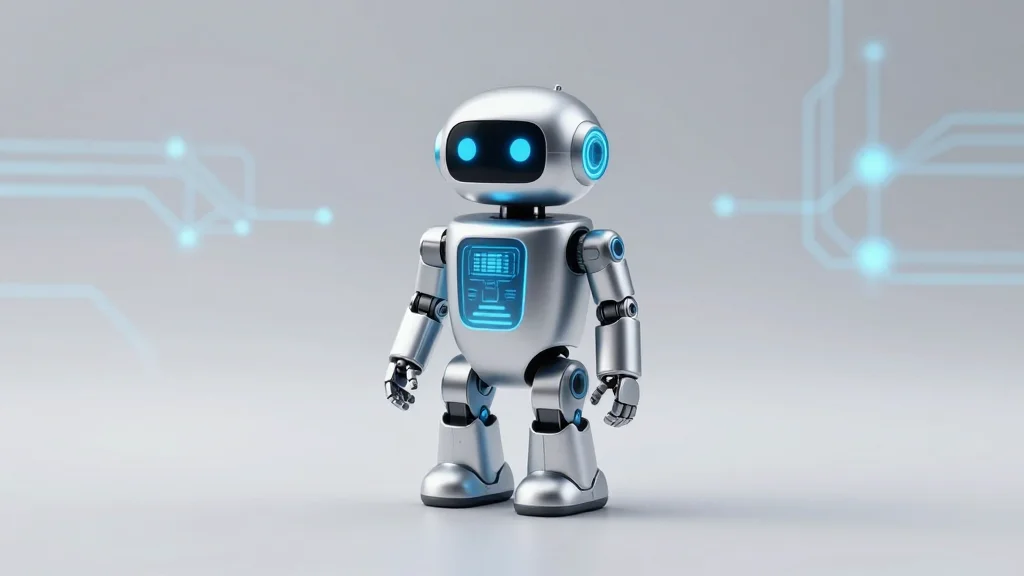
The App Store for Robots Has Arrived: Hugging Face Launches Open-Source Reachy Mini App Store with 200+ Apps
Why It Matters
The store removes the traditional engineering barrier, turning robotics into a consumer‑grade platform comparable to smartphones, which could spur a wave of innovative use cases and expand the market for affordable, programmable robots.
Key Takeaways
- •Reachy Mini App Store launches with 200+ free community apps.
- •Over 10,000 Reachy Mini robots sold; 3,000 in last two weeks.
- •AI agent ML Intern lets non‑engineers create robot apps in minutes.
- •Open‑source hardware and app ecosystem lowers entry barrier for hobbyists.
- •Supports multiple AI models, including GPT‑5.5 and Claude Opus 4.6.
Pulse Analysis
The robotics landscape has long been dominated by expensive, proprietary platforms that require specialized engineering talent. Hugging Face’s Reachy Mini, priced at $299 for the Lite version and $449 for the wireless model, flips that script by offering a desktop‑sized, open‑source robot that rivals high‑end alternatives like Boston Dynamics’ Spot, which costs around $70,000. By bundling a dedicated app store with over 200 ready‑to‑run behaviors, the company creates a consumer‑focused ecosystem similar to iOS or Android, inviting a broader audience to experiment with physical AI.
At the heart of this democratization is the ML Intern agent, an AI‑driven code generator that translates plain‑language commands into robot‑specific firmware. Users can simply ask the robot to "wave when someone says good morning" and the agent writes, tests, and packages the code in minutes, bypassing weeks of integration work. The toolkit is model‑agnostic, supporting leading large‑language models such as GPT‑5.5, Claude Opus 4.6, and others, while real‑time interaction leverages OpenAI Realtime and Gemini Live. This abstraction lowers the technical threshold, enabling educators, hobbyists, and even retirees to build functional robot apps without learning a robotics SDK.
The strategic implications are significant. An open‑source hardware base combined with a free, community‑curated app marketplace accelerates innovation cycles and creates network effects that can outpace traditional robot vendors. As more developers publish apps on Hugging Face Spaces, the platform could evolve toward monetization models, while the low entry price expands the addressable market beyond research labs to classrooms and small businesses. In a sector where adoption has been stunted by cost and complexity, Reachy Mini’s app store signals a shift toward a mass‑market, software‑first robotics economy.
The app store for robots has arrived: Hugging Face launches open-source Reachy Mini App Store with 200+ apps
Comments
Want to join the conversation?
Loading comments...