The Disney-OpenAI Tie-Up Has Huge Implications for Intellectual Property
•December 11, 2025
0
Companies Mentioned


Why It Matters
The deal could redefine how legacy media owners monetize and protect their IP in the generative‑AI era, influencing industry standards for licensing and content safety.
Key Takeaways
- •Disney grants OpenAI limited rights to 200 characters
- •Deal includes joint steering committee for IP oversight
- •Trust‑and‑safety measures aim to block illicit content
- •Potential for AI‑generated lewd Disney media remains risk
- •Agreement could reshape IP licensing in generative AI
Pulse Analysis
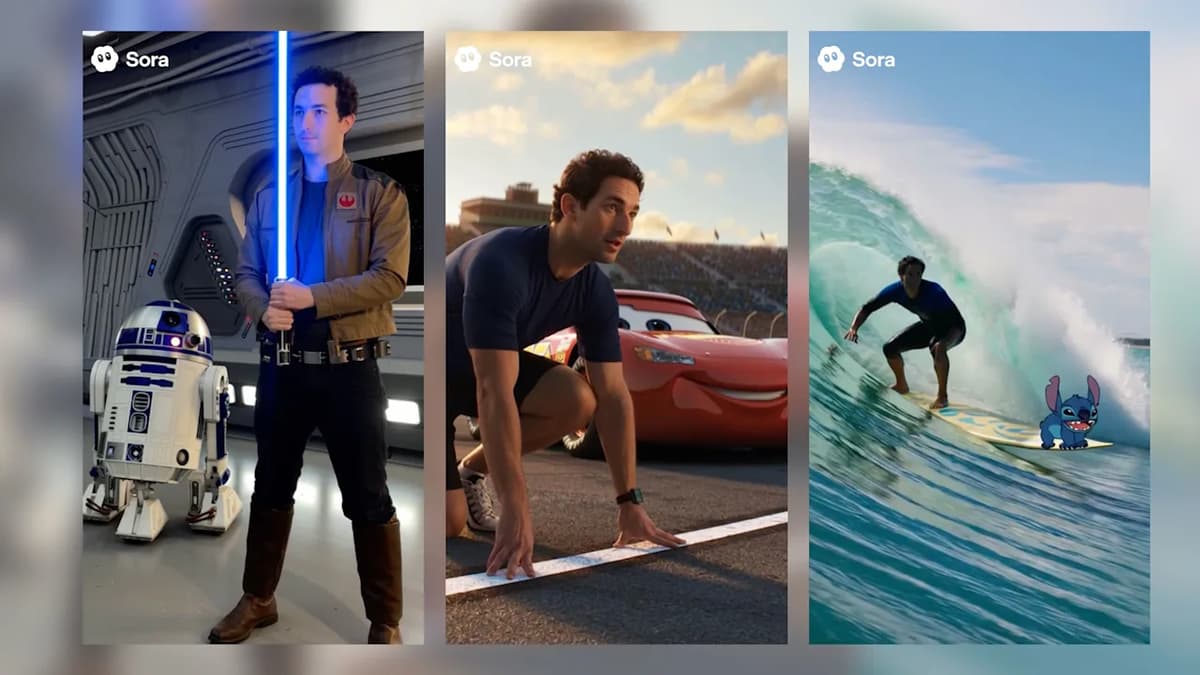
Disney’s brand has long been built on tight control of its characters, from Mickey Mouse to the Mandalorian. By licensing over 200 of its icons to OpenAI, the studio is testing a new revenue model that leverages generative AI while attempting to retain editorial oversight. The joint steering committee created under the agreement will act as a gatekeeper, reviewing user‑generated content and ensuring that Disney’s trademark standards are upheld. This approach reflects a broader industry trend where content owners seek structured partnerships rather than outright bans on AI usage.
OpenAI’s commitment to robust trust‑and‑safety mechanisms is a critical component of the pact. The company promises to block illegal or harmful depictions, yet the technical reality of AI jailbreaks and prompt‑engineering loopholes remains a concern. For Disney, the stakes are high: a single instance of unauthorized lewd or defamatory material could damage the family‑friendly image cultivated for a century. The steering committee’s authority to intervene, combined with OpenAI’s evolving moderation tools, will be tested as millions of users experiment with the newly unlocked character set.
Beyond the two firms, the partnership signals a potential blueprint for how entertainment conglomerates engage with AI platforms. Licensing agreements could become the norm, offering creators access to beloved IP while providing owners with revenue streams and brand safeguards. Legal scholars anticipate that such contracts will influence future copyright jurisprudence, especially around derivative works generated by machine learning models. As AI tools become more sophisticated, the Disney‑OpenAI deal may serve as a bellwether for balancing creative freedom with intellectual‑property protection across the digital economy.
The Disney-OpenAI tie-up has huge implications for intellectual property
0
Comments
Want to join the conversation?
Loading comments...