The Download: China’s Dying EV Batteries, and Why AI Doomers Are Doubling Down
•December 19, 2025
0
Companies Mentioned


Why It Matters
The battery backlog threatens China’s environmental goals and supply‑chain stability, while AI‑doomer pressure could steer tighter regulations on emerging technologies.
Key Takeaways
- •China's EV battery waste threatens recycling capacity.
- •Gray market emerges with unsafe battery disposal.
- •AI doomers double down despite market slowdown.
- •Policy pressure rises on both battery and AI sectors.
Pulse Analysis
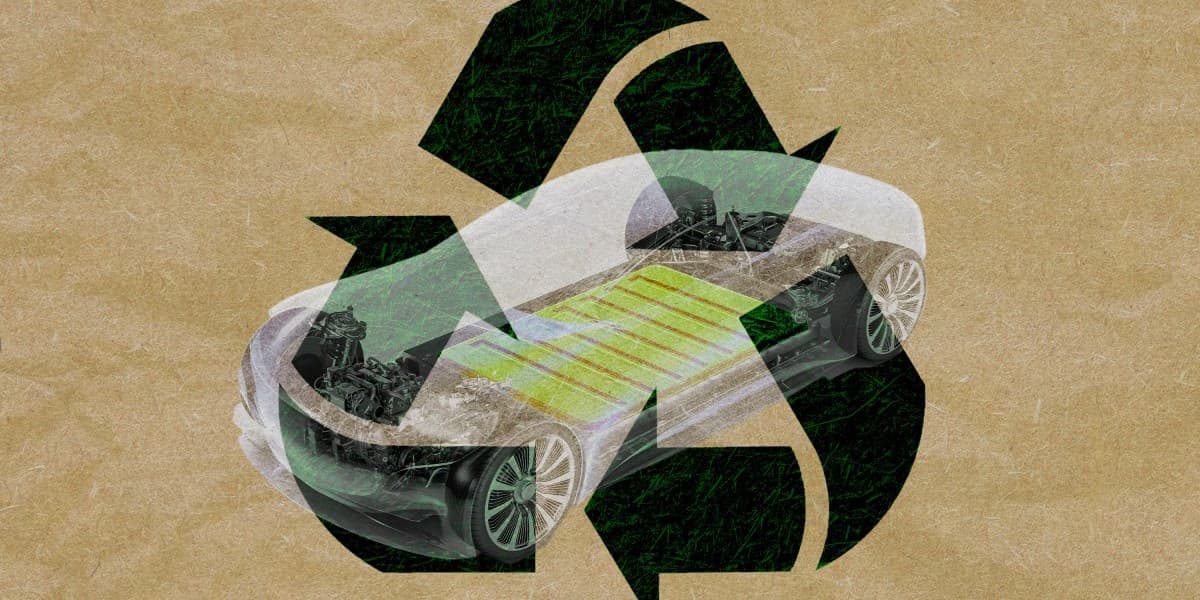
China’s electric‑vehicle market exploded over the past decade, driven by subsidies and consumer adoption. By late 2025, nearly 60% of new car sales are EVs or plug‑in hybrids, meaning the first wave of lithium‑ion packs is now approaching a decade of service. This creates an unprecedented volume of spent batteries that must be processed, a task that the country’s recycling infrastructure was never built to handle at scale. The resulting bottleneck not only risks environmental contamination but also threatens the raw‑material loop essential for future EV production.
The surge in retired batteries has given rise to a gray market where informal operators dismantle packs without proper safety or environmental safeguards. Such practices increase fire hazards, release toxic chemicals, and undermine China’s climate commitments. In response, national regulators are drafting stricter standards and incentivizing formal recyclers, while major manufacturers are piloting take‑back schemes and investing in advanced hydrometallurgical technologies. However, the speed of policy rollout lags behind the influx of waste, prompting industry analysts to warn of a potential supply‑chain crunch for cobalt, nickel, and lithium.
Across the technology spectrum, AI‑doomers—experts warning of existential risks from advanced artificial intelligence—remain undeterred despite a recent slowdown in AI venture funding and talk of an AI bubble. Their influence helped shape recent U.S. policy initiatives, and they continue to lobby for robust oversight, arguing that unchecked AI development could outpace safety measures. This persistent advocacy signals that regulatory scrutiny of AI may intensify, potentially affecting capital allocation, data‑center expansion, and the broader innovation ecosystem. Both the battery recycling challenge and the AI‑doomer movement illustrate how rapid tech adoption can outpace governance, prompting a need for coordinated policy and industry responses.
The Download: China’s dying EV batteries, and why AI doomers are doubling down
0
Comments
Want to join the conversation?
Loading comments...