The Future of Software Development: Now with Less Software Development
Why It Matters
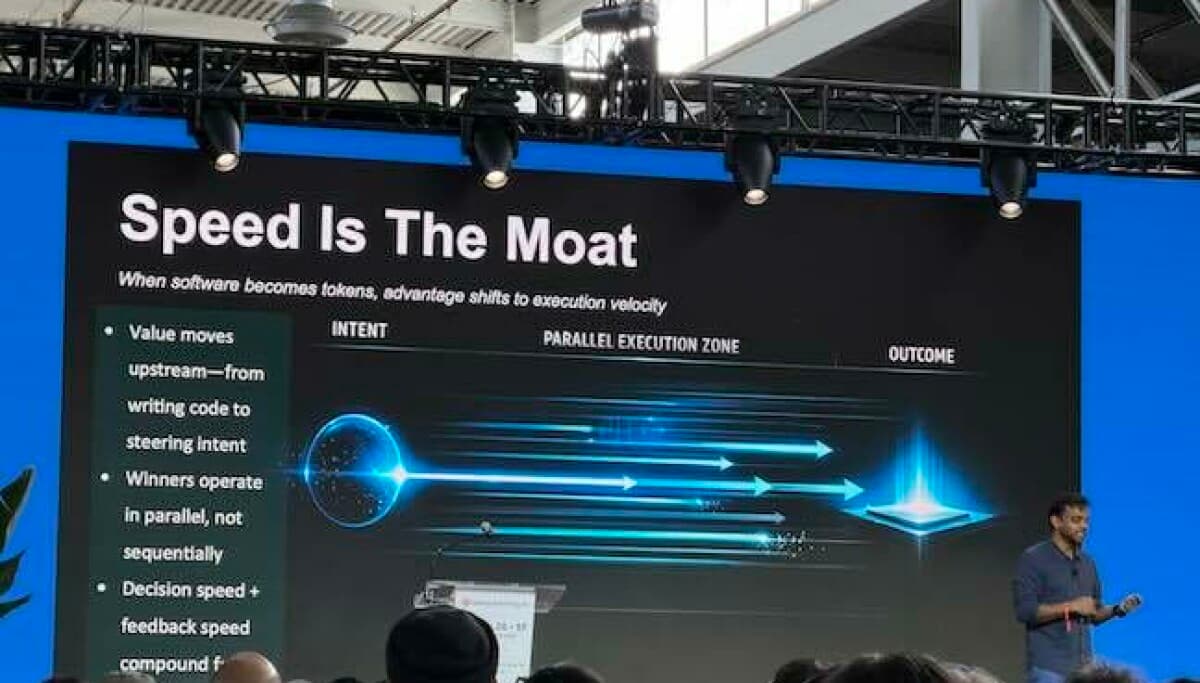
The shift redefines talent needs and accelerates product cycles, forcing companies to invest in AI‑centric workflows to stay competitive.
Key Takeaways
- •AI shifts bottleneck from coding to imagination, funding, and time
- •AMD showcases ROCm tools like HotSwap and HIP backend for llama.cpp
- •AWS focuses on reducing defect rates with Hydro, Cedar, and Strata frameworks
- •Panel predicts software roles will merge with product, design, and marketing
- •DeepLearning.AI envisions small generalist teams using AI agents for full code generation
Pulse Analysis
The AI revolution is reshaping software development from a labor‑intensive craft to a rapid, imagination‑driven discipline. Industry leaders at the San Francisco conference argued that the traditional bottleneck—writing lines of code—has been supplanted by the need for creative problem solving, capital, and time-to‑market. AMD’s demonstration of ROCm tools such as HotSwap, which dynamically retargets GPU kernels, and a native HIP backend for llama.cpp illustrates how hardware vendors are providing the low‑level infrastructure that lets AI models generate and optimize code on the fly. These advances lower entry barriers and enable smaller teams to compete with established players.
At the same time, cloud giants like AWS are focusing on quality assurance rather than sheer speed. Initiatives like Hydro, a Rust framework for building distributed protocols, Cedar for authorizer logic, and Strata’s automated reasoning aim to curb the defect rates that can undermine AI‑generated code. By emphasizing spec‑driven development and rigorous testing, these tools seek to make AI agents reliable partners rather than unpredictable black boxes. This focus on robustness is critical as enterprises consider deploying AI‑written software in production environments where errors can have costly consequences.
Looking ahead, the consensus among panelists is that software engineering will evolve into an orchestration of AI agents, with traditional roles blending into product management, design, and customer engagement. DeepLearning.AI’s vision of small, generalist teams overseeing end‑to‑end AI agents suggests a future where human developers act more as supervisors than coders. Companies that adapt to this paradigm—by upskilling staff, integrating AI‑centric pipelines, and investing in defect‑reduction tools—will gain a decisive competitive edge in a market where speed and reliability are the new moats.
The future of software development: Now with less software development
Comments
Want to join the conversation?
Loading comments...